
## Cloud Rewards and Tax Efficiency: Why Digital Earning Needs a Sustainable Overhaul
As the world becomes increasingly digital, the way we earn and report our income is changing rapidly. With millions of Americans now engaging in cryptocurrency transactions, the need for a more efficient and sustainable tax system has never been more pressing. The recent call by Kraken, a leading cryptocurrency exchange, for a de minimis exemption on crypto taxes highlights the urgent need for reform. By excluding small, routine digital asset payments from capital gains reporting, we can eliminate millions of unnecessary forms and make taxpayers’ lives easier.
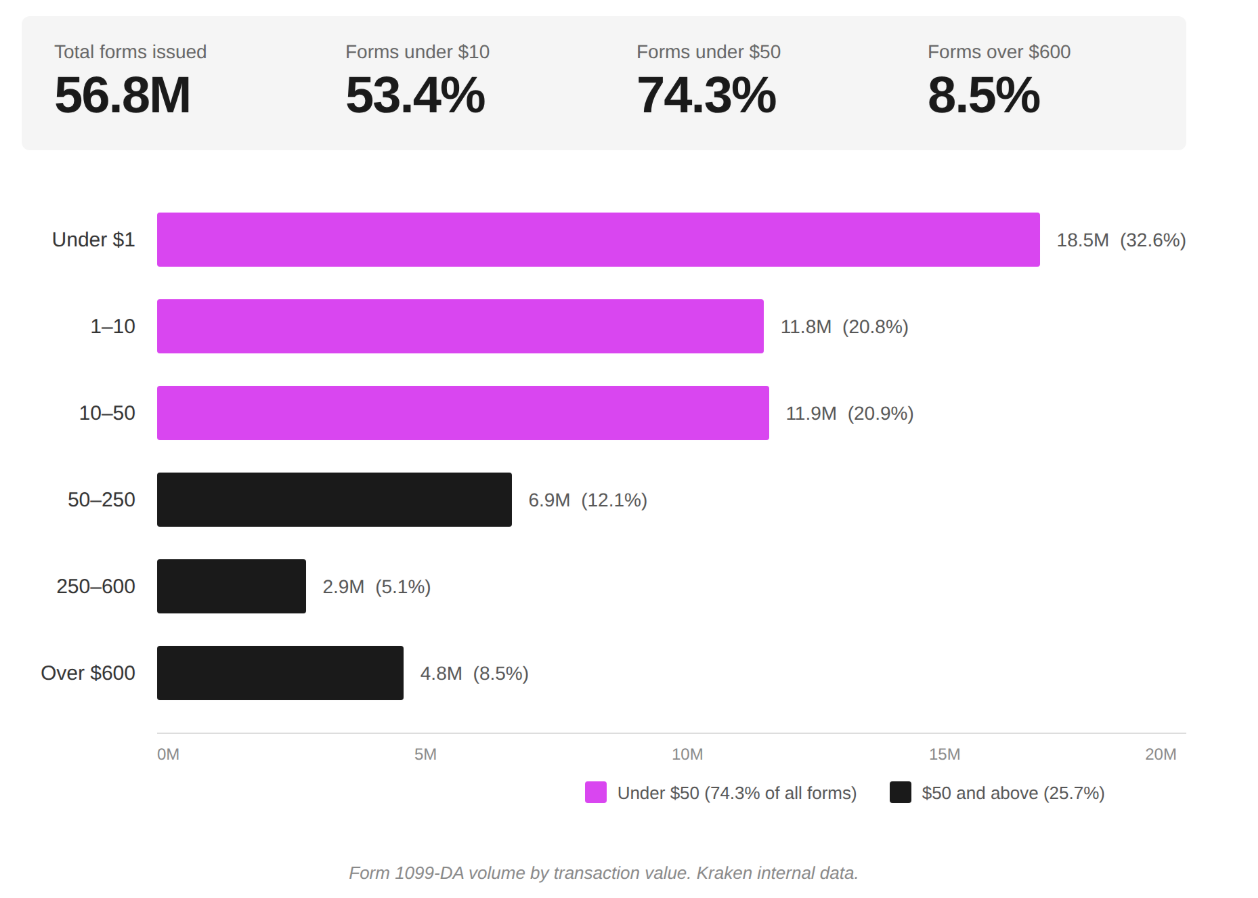
The current system is cumbersome and costly, with Kraken issuing over 56 million tax forms to the US Internal Revenue Service (IRS) in 2025, of which 18.5 million were for transactions under $1. This is not only a waste of resources but also a significant burden on individuals who are navigating a tax system designed before digital assets existed. The exchange’s proposal for a de minimis exemption is a step in the right direction, as it would simplify the reporting process and reduce the administrative burden on both holders and exchanges.
The issue of “phantom” income derived from staking cryptocurrencies is another area that requires attention. Currently, holders are required to pay taxes on staking rewards they have not realized, which can be unfair and unsustainable. By ending this practice, we can create a more equitable and efficient tax system that encourages digital earning and innovation. As Kraken noted, “This is not about helping crypto companies, it is about 55 million Americans who are navigating a tax system designed before digital assets existed.”
The need for tax reform is not limited to the cryptocurrency space. The current system is costly and inefficient, with individual returns costing US taxpayers $146 billion in time and out-of-pocket expenses. The elimination of the IRS’s free Direct File tax filing program in November 2025 has only added to the burden. As we move forward, it is essential that we prioritize sustainability and efficiency in our tax system, ensuring that digital earning is not only profitable but also environmentally friendly.
In the context of green crypto and passive rewards, the need for a de minimis exemption is even more critical. By simplifying the reporting process and reducing the administrative burden, we can encourage more people to engage in sustainable digital earning practices. As the EcoPool network continues to grow, it is essential that we prioritize sustainability and efficiency in our tax system, ensuring that digital earning is not only profitable but also environmentally friendly.
In conclusion, the call for a de minimis exemption on crypto taxes is a step in the right direction, and it is essential that we prioritize sustainability and efficiency in our tax system. By simplifying the reporting process and reducing the administrative burden, we can create a more equitable and efficient tax system that encourages digital earning and innovation. As we move forward, it is crucial that we consider the environmental impact of our tax system and strive to create a more sustainable and cloud rewards ecosystem.
Kraken still reportedly considering IPO
After the crypto exchange filed for a confidential initial public offering (IPO) with the US Securities and Exchange Commission in November 2025, reports signaled that Kraken may have put its plan on hold amid volatile market conditions. However, Kraken co-CEO Arjun Sethi confirmed reports at a Semafor event in April that the company would likely go public soon.
Magazine: How to fix insider trading on platforms like Polymarket and Kalshi
Cointelegraph is committed to independent, transparent journalism. This news article is produced in accordance with Cointelegraph’s Editorial Policy and aims to provide accurate and timely information. Readers are encouraged to verify information independently. Read our Editorial Policy https://cointelegraph.com/editorial-policy
- #Kraken
- #Cryptocurrencies
- #Taxes
- #Cryptocurrency Exchange
- #Industry