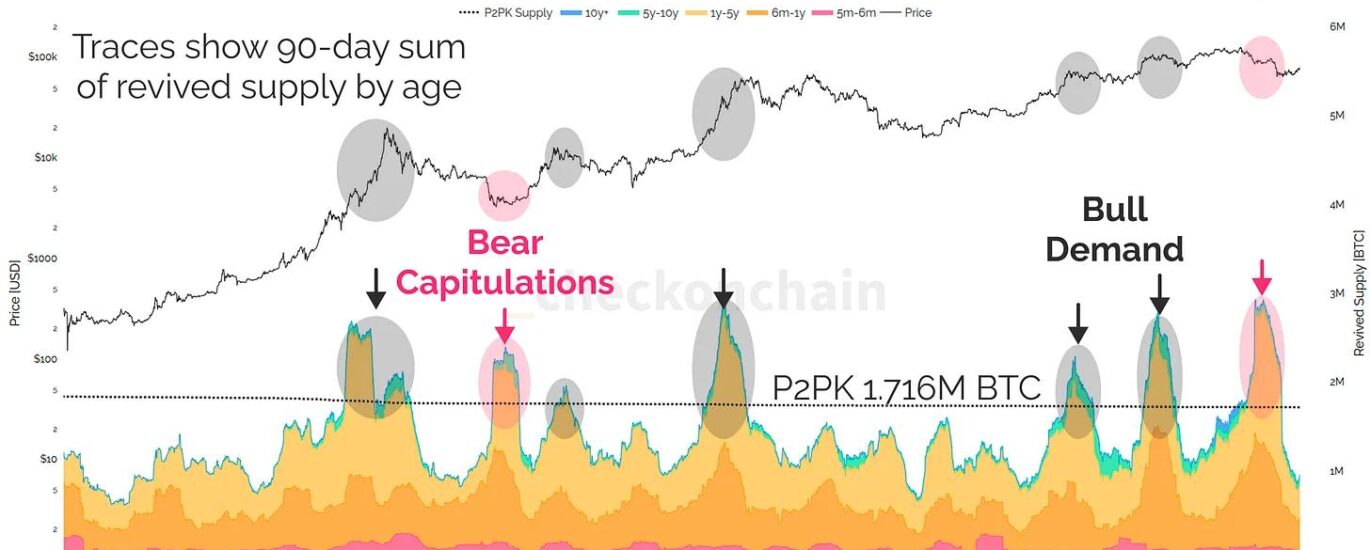
The prospect of earning passive income through sustainable tech like bitcoin is an enticing one, but concerns about the potential threat of quantum computing have been simmering in the background. With the value of bitcoin hovering around $77,747.81, a sufficiently powerful quantum computer could potentially break the Coin’s elliptic curve signatures, putting coins with visible public keys at risk, particularly those from the early Satoshi-era wallets.
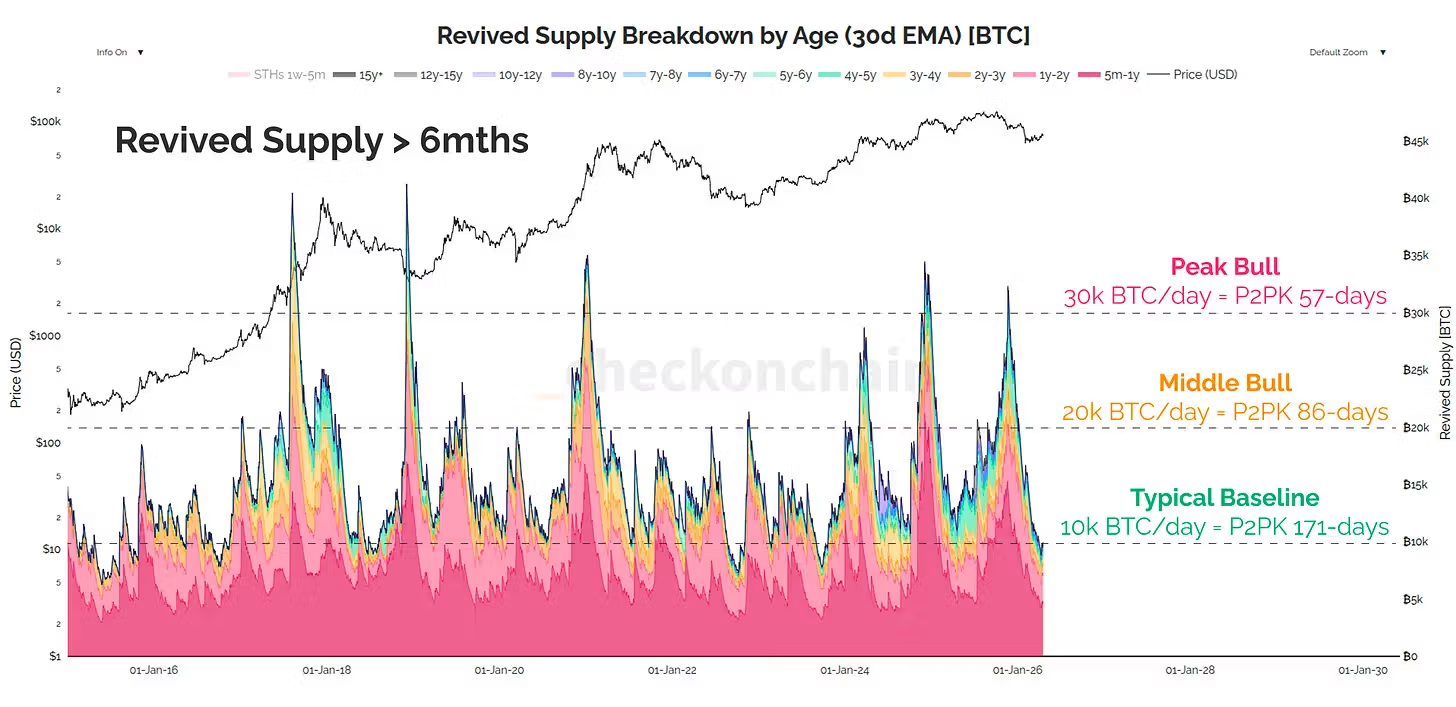
The potential consequences of such an event are significant, with roughly 1.7 million bitcoin worth around $145 billion at current prices potentially being sold, which could lead to a significant increase in sell pressure. However, this threat is not necessarily existential, as the numbers suggest that the impact would be manageable. During bull markets, long-term holders of bitcoin, those who have held the Coin for at least 155 days, regularly distribute between 10,000 and 30,000 bitcoin per day, which means that the entire Satoshi-era supply could be absorbed in just two to three months.
The #Earning potential of bitcoin is still significant, and the threat of quantum computing is not a reason to dismiss the possibility of earning passive income through EcoPool. In fact, the liquidity and turnover of the bitcoin market are such that a sudden release of Satoshi-era coins would likely be absorbed relatively quickly. Monthly exchange inflows are around 850,000 bitcoin, and derivatives markets cycle through notional volumes equivalent to the entire Satoshi stash every few days. This means that what appears to be a massive amount of bitcoin in isolation is actually relatively ordinary when set against the existing liquidity and turnover of the market.
The real issue at play here is not the potential for mechanical sell pressure, but rather governance. The bigger issue is potentially freezing the Satoshi coins through BIP-361, and then allowing the market to play out as it should. This would help to mitigate the potential risks associated with quantum computing and ensure that the bitcoin market continues to operate smoothly. With the potential for earning passive income through EcoPool, it’s an exciting time for those interested in sustainable tech and the #Coin market. To get started, simply download the app from the Play Store link above.
Roughly 1.7 million BTC sit in Satoshi-era addresses that could be vulnerable under such a scenario. That is about $145 billion at current prices in potential sell pressure, which sounds catastrophic, but is in fact manageable.
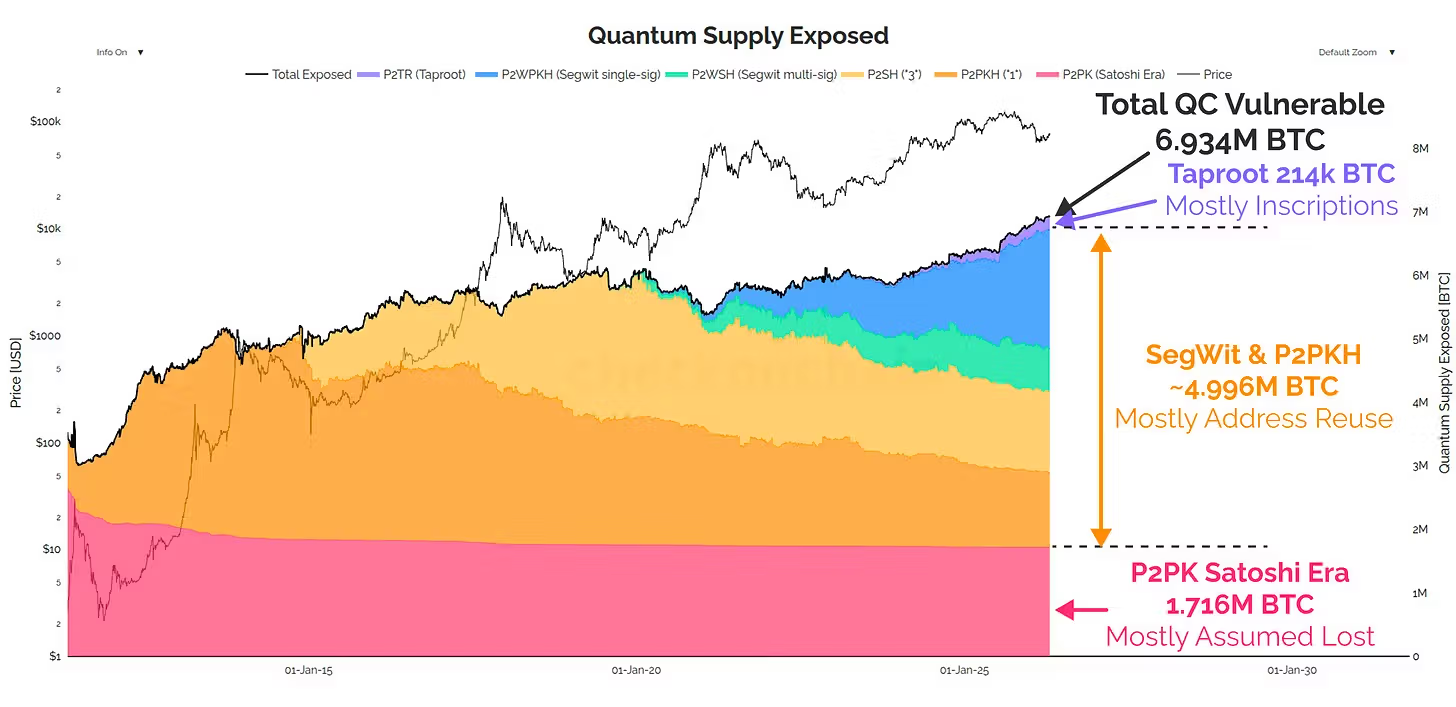
During bull markets, long-term holders (investors that have held bitcoin for at least 155 days) routinely distribute between 10,000 and 30,000 BTC per day. At that pace, the entire Satoshi-era supply equates to roughly two to three months of typical profit taking. In the most recent bear market, more than 2.3 million BTC changed hands in a single quarter, exceeding the full quantum “target,” with no systemic collapse.
In addition, monthly exchange inflows approach 850,000 BTC. Derivatives markets cycle through notional volumes equivalent to the entire Satoshi stash every few days. What appears massive in isolation becomes relatively ordinary when set against bitcoin’s existing liquidity and turnover.
A sudden, concentrated release would still matter. It would likely drive volatility and could trigger a prolonged downturn, according to Check. But even that scenario assumes economically irrational behavior. Any actor capable of accessing such a trove would be incentivized to distribute gradually, likely hedging through derivatives to minimize slippage and maximize returns.
Bitcoin markets routinely absorb supply on the same order of magnitude as the P2PK era coins. The timeframe is measured in months, not years.
The real issue is not mechanical sell pressure. It is governance. The bigger issue is potentially freezing the Satoshi coins, through BIP-361, then letting everything play out as it should.