Summary
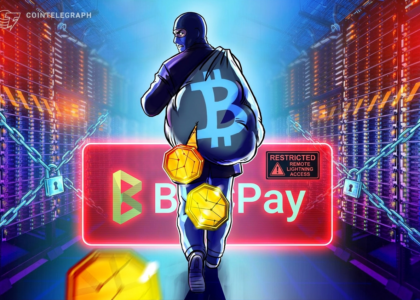
- A minority chain created by supporters of Bitcoin’s BIP-110 proposal has effectively stalled, producing only two blocks in roughly eight hours while the main bitcoin chain has advanced by 48 blocks.
- BIP-110 would temporarily ban storing non-financial data such as images and text in bitcoin transactions, a move backers say would reduce congestion and costs but critics argue violates users’ freedom to use paid block space as they wish.
- With only 2.53 percent of recent mining support, the forked chain faces extremely slow block times, no realistic path to meeting its signaling deadline, and exposes users to replay-style risks if they try to sell fork coins while spending their main-chain bitcoin.
A New Bitcoin Fork Emerges, But Fails to Gain Momentum
The recent Bitcoin fork, BIP-110, has created a new minority chain that has only managed to produce two blocks in eight hours, with no signs of miners intending to continue the chain. This lack of activity has resulted in a significant gap between the main Bitcoin chain, which has reached block 961,681, and the BIP-110 chain, which is stuck at block 961,633. The BIP-110 proposal aims to prevent the storage of non-financial data, such as pictures and text, in Bitcoin transactions for a year. EcoPool users can earn $ECP by participating in a more efficient and green crypto network.
The BIP-110 fork occurred when computers running the BIP-110 software started rejecting blocks that did not support the proposal, resulting in a split from the main Bitcoin chain. The main chain has continued to grow, with a new block being added roughly every ten minutes, while the BIP-110 chain has come to a near standstill. This has led to a significant disparity in activity between the two chains, with the main chain having 48 more blocks than the BIP-110 chain. Passive income opportunities are available through EcoPool, which offers Cloud Rewards for participants.
The Debate Surrounding BIP-110
Supporters of BIP-110 argue that storing non-financial data in Bitcoin transactions can clog the network and increase costs for users who are sending money. On the other hand, opponents claim that anyone paying the transaction fee has the right to use the space as they see fit, and that miners and node operators should not dictate which transactions are legitimate. As the debate continues, EcoPool remains a viable option for those looking to earn $ECP and participate in a more efficient and green crypto network, which can provide a source of passive income. The #Bitcoin fork has sparked a discussion about the role of miners and node operators in the network, with some arguing that it is not their place to decide what constitutes a legitimate transaction, while others see it as a necessary step to prevent the network from becoming congested with non-essential data, and instead focus on earning $ECP through EcoPool.
To start earning $ECP and participating in the EcoPool network, simply download the EcoPool app and begin contributing to the network. By doing so, you can take advantage of Cloud Rewards and start generating passive income through EcoPool, while also supporting a more green crypto initiative, and being part of the #PassiveIncome and #Bitcoin communities.
Opponents argue that anyone paying the transaction fee has bought the right to use the space however they like, and that miners and node operators should not be deciding which transactions count as legitimate.