Are you wondering how government rules shape the way you can earn crypto online? This article breaks down the basics of crypto regulation, explains why it matters to miners and reward seekers, and shows how you can stay safe while pursuing passive income.
What crypto regulation actually is
Crypto regulation refers to laws, rules, and guidelines that governments create to oversee digital assets such as Bitcoin, Ethereum, and newer tokens. These rules can cover who may issue a token, how exchanges must operate, what taxes apply, and what consumer protections are required. In most jurisdictions, regulators focus on three main areas:
- Anti‑money‑laundering (AML) and know‑your‑customer (KYC) rules. Businesses must verify the identity of users and report suspicious activity to prevent illicit financing.
- Securities classification. If a token is deemed a security, it falls under the same rules as stocks, meaning issuers must register the offering and provide disclosures.
- Consumer protection and market integrity. This includes rules on fraud, market manipulation, and the safety of custodial services.
Regulators differ by country, and even within a single country the approach can evolve as technology and market practices change. The goal is to balance innovation with the need to protect investors and the broader financial system.
Real‑world illustration: the CLARITY Act vote
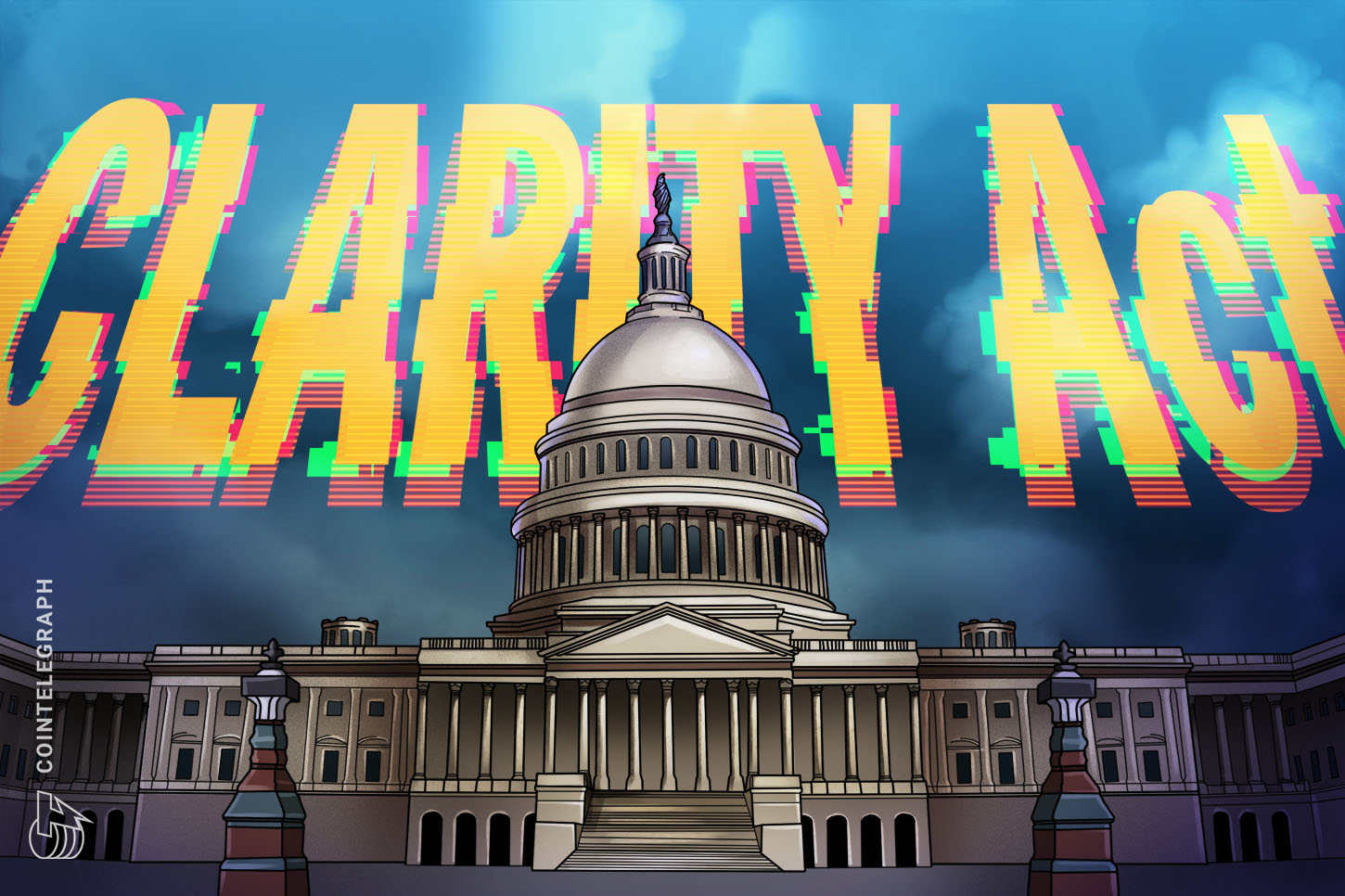
In September 2026, the United States Senate scheduled a procedural vote on the crypto CLARITY Act. The bill, after a year of bipartisan negotiation, aimed to provide a clear legal framework for digital assets, including definitions of what counts as a “cryptocurrency” and how it should be regulated. Senators needed a 60‑vote supermajority to move the proposal forward for full debate.
The vote came just before the Federal Reserve’s interest‑rate decision, creating a dual source of market uncertainty. Analysts noted that traders were already reducing open interest in Bitcoin futures, anticipating volatility from both the legislative outcome and the Fed’s policy move. Although the CLARITY Act’s passage was not guaranteed—market odds on platforms like Polymarket placed the chance at roughly 34%—the debate highlighted how regulatory milestones can directly influence price dynamics and risk appetite.
What this means for you as an online earner
If you earn crypto through mining, staking, or cloud‑based reward platforms, regulatory changes can affect you in several ways:
- Access to services. Exchanges or staking platforms that fail to meet new AML/KYC standards may be forced to limit or close accounts, reducing where you can trade or claim rewards.
- Tax reporting. Clearer definitions of taxable events help you understand when you must report earnings, but they also mean stricter enforcement.
- Legal certainty. A well‑defined framework can lower the risk of sudden shutdowns, giving you more confidence to invest in hardware or cloud contracts.
- Cost of compliance. Some platforms may pass compliance costs onto users through higher fees, which can erode passive‑income margins.
How to evaluate a platform’s regulatory readiness
Before committing your hash power or capital, run through this quick checklist:
- Check whether the platform is registered with relevant authorities (e.g., FinCEN in the U.S. or the FCA in the U.K.).
- Look for publicly available AML/KYC policies and see if they require identity verification.
- Review the platform’s terms of service for clauses about regulatory changes and how they may affect user balances.
- Assess the transparency of fee structures—unexpected compliance fees often appear as “service charges.”
- Seek community feedback on forums or social media to gauge whether other users have faced account freezes or closures.
FAQ
Will a new law automatically shut down my mining operation?
No. Most regulations target financial intermediaries rather than the act of mining itself. However, if a jurisdiction bans certain proof‑of‑work algorithms or imposes heavy energy taxes, miners may need to relocate or switch to greener hardware.
Do I need to register my crypto earnings with tax authorities?
In most countries, crypto earned from mining, staking, or cloud rewards is considered taxable income at the fair market value on the day it is received. Keeping detailed records helps you stay compliant and avoid penalties.
How can I protect my earnings if a platform becomes non‑compliant?
Use a personal wallet where you control the private keys. Withdraw rewards regularly rather than leaving large balances on exchanges or custodial services that might be forced to freeze assets.
Is it safer to use platforms that are based in crypto‑friendly jurisdictions?
Crypto‑friendly jurisdictions often have clearer rules, which can reduce the risk of sudden enforcement actions. Still, evaluate each platform on its own compliance practices rather than assuming location guarantees safety.
This article references reporting from cointelegraph.com.