Are you wondering how laws passed in Washington affect your ability to earn crypto online? This article explains the legislative process for digital‑asset regulation, what the key steps are, and how those rules can impact everyday earners.
What crypto legislation actually is
In the United States, any rule that changes how digital assets are created, traded, or taxed must become law through the federal legislative process. A bill starts as an idea, often drafted by a member of Congress or a lobby group, and is assigned a number (for example, H.R. 1234). It then moves through several stages:
- Introduction and referral: A representative or senator files the bill, and it is sent to a relevant committee—such as the Senate Banking, Housing, and Urban Affairs Committee—for review.
- Committee hearings: Experts, industry leaders, and regulators testify. The committee may amend the bill before voting to send it forward.
- Conference committee: If the House and Senate pass different versions, a joint committee reconciles the differences.
- Presidential signature: The final version is sent to the President, who can sign it into law or veto it.
Floor debate and vote: The full House of Representatives or Senate debates the bill and votes. A simple majority is needed to pass.
Because digital assets are a relatively new class of property, legislation often focuses on three broad areas: consumer protection, anti‑money‑laundering (AML) compliance, and tax treatment. Each of these can directly affect how you earn, withdraw, or reinvest crypto rewards.
Real‑world illustration
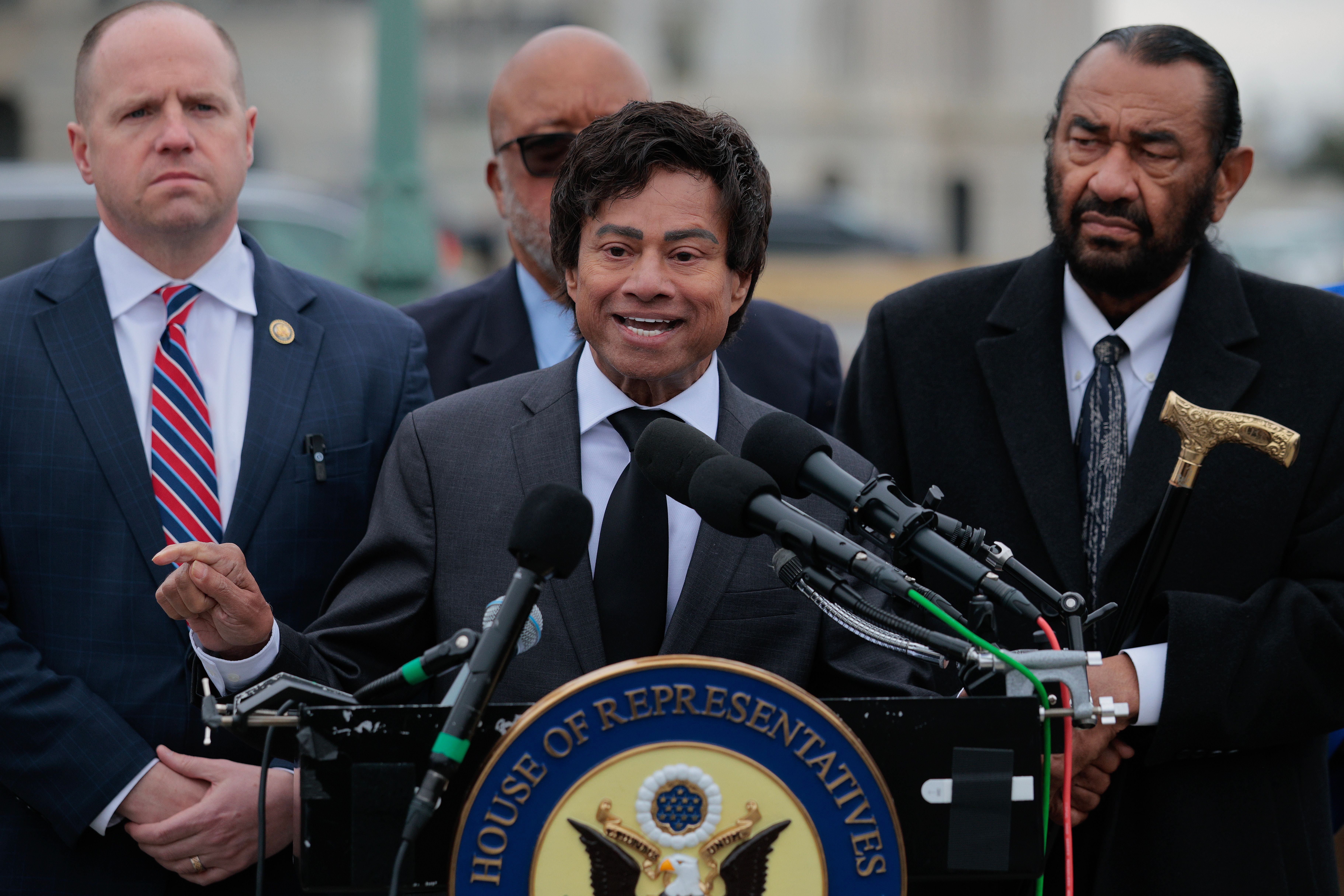
In March 2026, Rep. Shri Thanedar (D‑MI) urged Congress to pass the “Clarity Act,” arguing that at least 60 senators must back a bill that puts “innovation first” and provides “critical relief to the digital asset industry.” The proposal aims to clarify the regulatory status of crypto‑related activities, reduce uncertainty for businesses, and protect users who earn through mining, staking, or cloud‑based reward platforms.
What it means for you
If a law like the Clarity Act becomes law, the most immediate effects for everyday earners could include:
- Reduced compliance costs: Clear definitions of what counts as a “crypto service provider” can lower the burden on small platforms, which may translate into lower fees for users.
- Tax clarity: Specific guidance on how to treat mining rewards, staking yields, and cloud‑reward payouts can simplify filing your taxes and reduce the risk of inadvertent under‑reporting.
- Consumer safeguards: Requirements for transparent disclosures and security standards can protect you from fraudulent schemes that promise unrealistic passive income.
How to evaluate new crypto legislation
When a bill is being discussed, consider these concrete steps:
- Identify the sponsor and co‑sponsors: Bills with broad bipartisan support are more likely to pass.
- Read the summary: Look for sections that address “definition of digital asset,” “tax treatment,” and “AML/CTF obligations.”
- Check committee testimony: Experts from reputable firms and regulators often highlight practical impacts on users.
- Monitor the vote count: A bill needs a simple majority in both chambers, but a supermajority may be required to overcome a presidential veto.
- Assess implementation timelines: Some laws include grace periods, giving platforms time to adjust before new rules affect you.
FAQ
Will new crypto laws make it harder to earn passive income?
Not necessarily. While regulations may introduce reporting requirements, many proposals aim to create a stable environment that encourages legitimate platforms to operate, which can benefit earners in the long run.
Do I need to stop mining or staking while a bill is being debated?
No. Ongoing activities are generally allowed until a law specifically restricts them. However, staying informed helps you adapt quickly if new rules impose limits or reporting duties.
How can I protect myself from sudden regulatory changes?
Choose platforms that are transparent about their compliance practices, keep records of all earnings, and consider diversifying across multiple services to reduce reliance on any single provider.
What role do individual voters play in crypto legislation?
Congressional representatives are elected, so public opinion can influence how aggressively they pursue crypto‑friendly policies. Contacting your senator or participating in public comment periods can make a difference.
This article references reporting from coindesk.com.