Are you curious about why businesses sometimes choose a stablecoin like USDT for large‑scale purchases such as oil, and what dangers that choice can bring? This article explains how stablecoins work in trade, why they appear attractive for cross‑border deals, and what you should watch out for before trusting a crypto‑based payment method.
What a stablecoin is and how it functions in trade
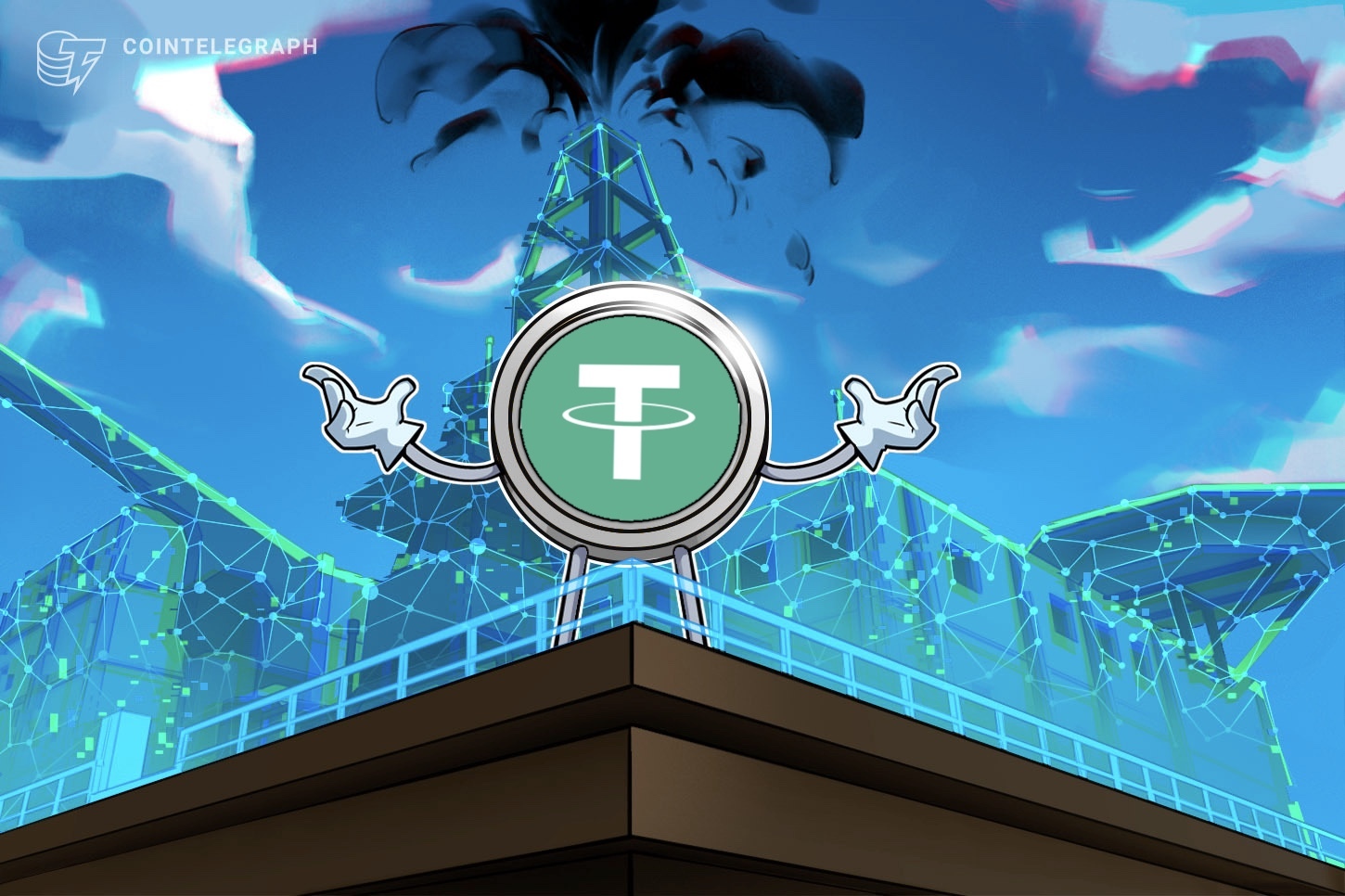
A stablecoin is a type of cryptocurrency that is designed to hold a stable value, usually by being pegged to a fiat currency such as the US dollar. The most widely used stablecoin, Tether’s USDT, claims to maintain a 1:1 ratio with the US dollar by holding reserves that back each token. Because it lives on a blockchain, USDT can be transferred instantly across borders without needing a traditional banking intermediary.
In a commodity transaction, the buyer typically needs to pay a supplier in a currency that the seller can readily use. Traditional bank transfers can be slow, costly, and subject to sanctions or capital controls. A stablecoin offers three perceived advantages:
- Speed: Transactions settle in minutes, not days.
- Cost: Blockchain fees are often lower than international wire fees.
- Accessibility: Even if a country faces sanctions, a stablecoin can be moved without a conventional banking channel.
However, these benefits come with trade‑offs. Stablecoins are not regulated in the same way as bank money, and the entities that issue or hold the underlying reserves may not be subject to the same oversight. This creates a layer of counter‑party risk that can be difficult to assess, especially in high‑value deals.
Real‑world illustration: the Orlen‑PDVSA oil deal
In November 2023, Poland’s state‑controlled energy giant Orlen attempted to buy 6 million barrels of Venezuelan crude from the state oil company PDVSA. Because PDVSA was under U.S. sanctions, it asked for part of the payment in USDT as a workaround. Orlen wired $230 million to a Dubai‑based intermediary, Hannon International Middle East, on 4 December 2023. Hannon then tried to acquire the required USDT through a network of crypto brokers.
According to a Financial Times report, the funds quickly vanished into a complex chain of crypto transfers. Orlen ultimately received only about $29 million worth of oil before the contract was terminated in March 2024. Subsequent investigations revealed missing amounts at each step of the chain, with claims of shortfalls, disputed transfers, and USB sticks handed over to brokers containing large sums of USDT.
This case highlights how a stablecoin payment can become entangled in opaque intermediaries, making it hard to trace the money and recover losses when something goes wrong.
What this means for you as a potential crypto‑based earner
If you are considering earning online through activities that involve stablecoins—whether it’s providing services, selling goods, or participating in crypto‑based investment platforms—understanding the risks is essential. The Orlen example shows that even large, experienced corporations can lose a substantial portion of their funds when they rely on unverified crypto intermediaries. For individuals, the stakes can be even higher because personal assets are often less protected by legal frameworks.
Key takeaways:
- Stablecoins do not guarantee that the underlying fiat reserves are actually available.
- When a payment route involves multiple unknown brokers, the chance of loss or fraud increases dramatically.
- Legal recourse is limited if the counterparties are based in jurisdictions with weak crypto regulation.
How to evaluate a stablecoin payment option
Before agreeing to a transaction that uses USDT or any other stablecoin, follow these steps:
- Verify the issuer’s reserves: Look for transparent audits or third‑party attestations that the stablecoin is fully backed.
- Know the counter‑party: Conduct KYC (Know Your Customer) checks on any broker or intermediary handling the transfer.
- Use reputable exchanges: If you need to convert fiat to USDT, do it on a well‑known, regulated exchange that offers insurance or escrow services.
- Document the flow: Keep detailed records of every wallet address and transaction hash involved in the payment chain.
- Consider escrow or escrow‑like services: Some platforms provide smart‑contract escrow that releases funds only when predefined conditions are met.
FAQ
Is USDT really backed 1:1 by US dollars?
Tether claims each USDT is backed by a dollar‑equivalent reserve, but the exact composition of those reserves is not always disclosed in real time. Independent audits are occasional, so the claim cannot be guaranteed at any given moment.
Can I recover funds if a stablecoin transfer is lost or stolen?
Blockchain transactions are irreversible. Recovery depends on the willingness and ability of the counter‑party to return the funds. Legal action may be possible, but it is often hampered by jurisdictional issues and the anonymity of crypto addresses.
Do stablecoins help bypass sanctions?
Because stablecoins operate outside traditional banking networks, they can be used to move value around sanctions that target fiat transfers. However, many jurisdictions are tightening anti‑money‑laundering (AML) rules to cover stablecoins, and using them to evade sanctions can expose participants to legal penalties.
Are there safer alternatives for large international payments?
Traditional bank wires, letters of credit, or regulated digital‑currency platforms that offer custodial services and insurance can provide stronger legal protection and clearer recourse if something goes wrong.
This article references reporting from cointelegraph.com.