Ever wonder why Bitcoin’s price sometimes slides when bond yields climb? This article explains how interest rates affect crypto markets, what that means for your online earnings, and how you can evaluate the impact before you invest.
What interest rates and bond yields actually are
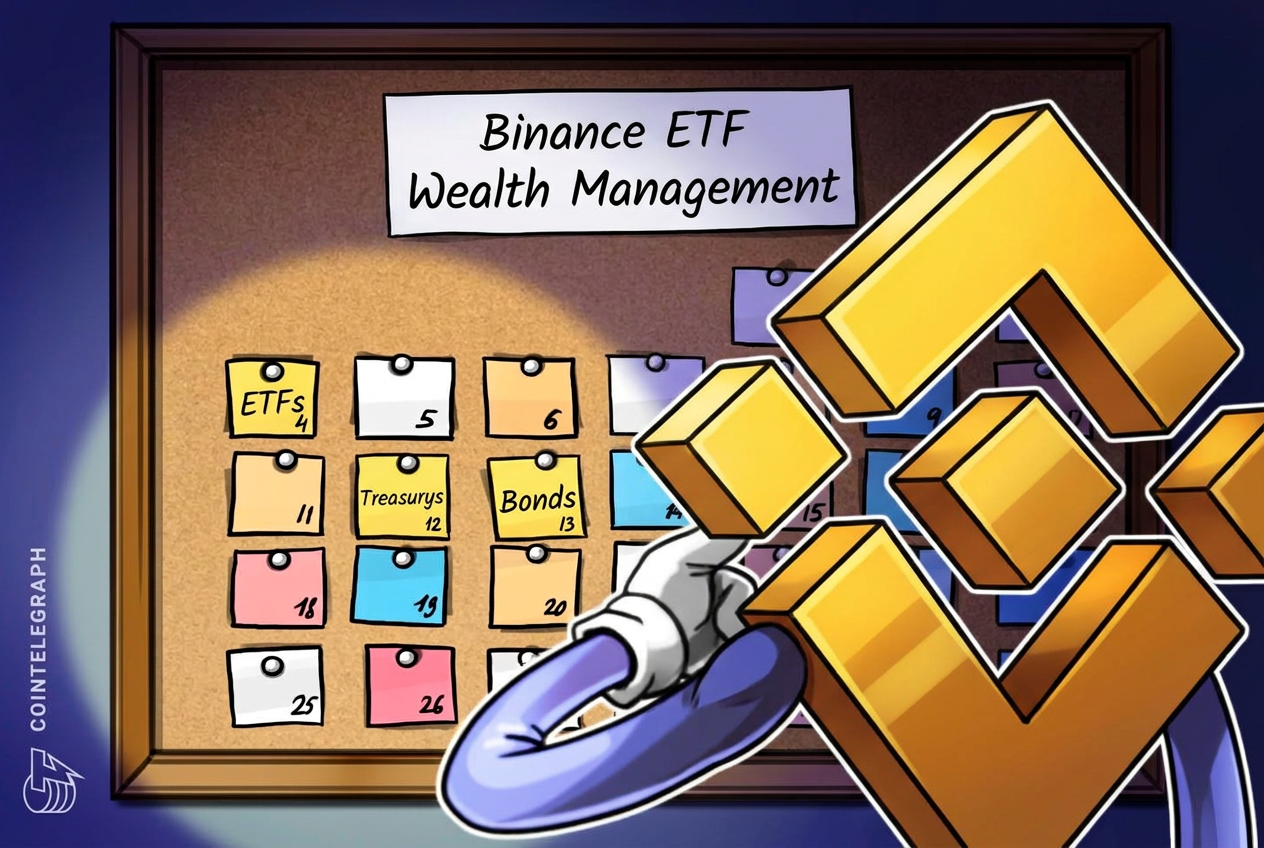
A bond yield is the return investors earn from buying a government or corporate bond. When demand for bonds rises, their prices go up and yields fall; when demand drops, prices fall and yields rise. Central banks set policy interest rates to influence economic activity, and those rates heavily affect bond yields across the globe.
Higher interest rates make fixed‑income assets like bonds more attractive because they promise a safer, predictable return. When bonds look better, investors often shift money out of riskier assets such as stocks or cryptocurrencies. This reallocation can depress the price of crypto assets, which are considered high‑risk, high‑reward.
Why higher yields matter for crypto miners and earners
Crypto mining and staking generate passive income by rewarding participants with new coins. The profitability of that income depends on two main factors: the market price of the rewarded coin and the cost of the resources used (electricity, hardware, or capital). When bond yields rise, two things happen that can hurt earnings:
- Opportunity cost rises: Capital tied up in mining rigs could instead earn a higher, low‑risk return in bonds. If the bond return exceeds the expected crypto reward, miners may shut down equipment, reducing network hash rate and potentially lowering the coin’s price.
- Financing costs increase: Many miners borrow money to buy hardware. Higher interest rates mean higher loan repayments, which squeeze profit margins.
Staking services that let you lock up tokens for rewards face similar pressure. If a stable‑yield bond offers, say, 5 % annually, a staking pool that only yields 3 % becomes less attractive, prompting users to withdraw their tokens.
Real‑world illustration
In September 2026, Bitcoin fell to $75,560, its lowest level for the month, as global bond yields surged to multidecade highs. The U.S. 10‑year Treasury yield broke 5 % for the first time since 2023, while the UK 30‑year yield reached 5.95 %, a level not seen since 1998. Analysts linked the price drop to “the headwind” that higher rates create for risk assets, including crypto. The dip demonstrated how quickly macro‑economic shifts can affect Bitcoin’s market price and, by extension, the earnings of miners and stakers.
What this means for you
If you earn crypto through mining, staking, or cloud‑reward platforms, you should watch interest‑rate trends as part of your risk assessment. A rising rate environment can reduce the profitability of your operations, even if the coin’s price remains stable, because your cost of capital goes up. Conversely, when rates fall, crypto may become more appealing, potentially boosting both price and earnings.
How to evaluate the impact before you commit
- Track major bond yields: Keep an eye on the U.S. 10‑year Treasury, Eurozone Bund, UK Gilts, and Japanese Government Bonds. Sudden spikes often precede crypto price corrections.
- Calculate your cost of capital: Include loan interest, opportunity cost of capital (what you could earn in bonds), and electricity rates. Compare this total cost to the expected reward rate from mining or staking.
- Use break‑even calculators: Many mining forums and staking dashboards provide tools that let you input hash rate, power consumption, electricity price, and coin price to see when you become profitable.
- Diversify earnings sources: Relying solely on one coin or one method (e.g., only mining) makes you vulnerable to macro shifts. Combining staking, cloud rewards, and even low‑risk DeFi yields can smooth out volatility.
- Stay informed about policy moves: Central bank meetings (Fed, ECB, BoJ) and major legislative actions like the U.S. Senate’s CLARITY Act can signal upcoming rate changes.
FAQ
Why does a higher bond yield hurt Bitcoin more than other assets?
Bitcoin is often viewed as a speculative store of value. When safe, low‑risk bonds start offering higher returns, investors move money out of speculative assets, causing price pressure on Bitcoin more sharply than on established equities, which may still generate dividends.
Can mining still be profitable when rates are high?
Yes, but only if your operation’s efficiency is very high (low electricity cost, modern hardware) or if you can secure cheap financing. Calculating the break‑even point with current rates is essential.
Should I switch from staking to holding cash when rates rise?
Not necessarily. Compare the staking yield to the bond yield after accounting for tax and risk. If the staking reward comfortably exceeds the bond return, staying in crypto may still make sense.
How often do interest‑rate changes actually affect crypto prices?
Significant moves in major bond yields—especially when they break historical thresholds—often coincide with noticeable crypto price adjustments. The correlation isn’t perfect, but it’s a reliable macro signal to monitor.
This article references reporting from cointelegraph.com.