Are you wondering how government rules might change the way you earn crypto online? This article explains the basics of U.S. crypto regulation, how it works, and what you should watch for when it impacts your passive income strategies.
What crypto regulation actually is
Crypto regulation refers to laws and rules that governments create to oversee digital assets such as Bitcoin, Ethereum, and stablecoins. In the United States, the main regulators are the Securities and Exchange Commission (SEC), which focuses on securities laws; the Commodity Futures Trading Commission (CFTC), which treats many cryptocurrencies as commodities; and the Financial Crimes Enforcement Network (FinCEN), which enforces anti‑money‑laundering (AML) rules.
When a bill is introduced in Congress, it can change how these agencies apply existing rules or create new requirements. Common elements include:
- Definition of a “crypto asset.” Is it a security, a commodity, or something else? This determines which regulator has jurisdiction.
- Reporting obligations. Exchanges, custodians, and even individual earners may need to file reports on transactions above certain thresholds.
- Consumer protection measures. Rules may require clear disclosures about risks, limits on marketing, or safeguards against fraud.
- Tax guidance. The Internal Revenue Service (IRS) already treats crypto as property, but legislation can clarify reporting methods for staking, mining, or DeFi yields.
Understanding these pieces helps you see whether a new law will affect your ability to earn, withdraw, or reinvest crypto rewards.
Real‑world illustration
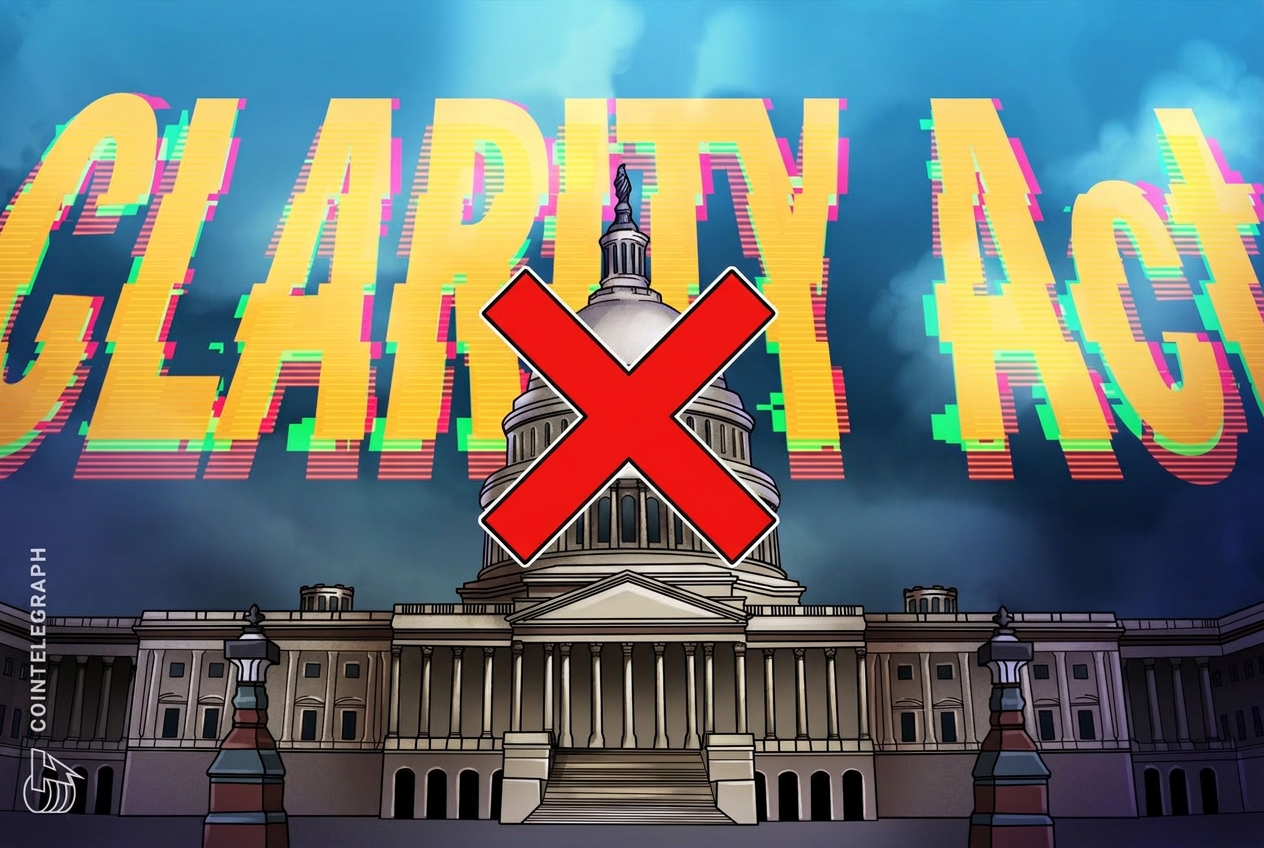
In March 2026, the U.S. Senate voted on the Crypto Clarity Act, a proposal that sought to create a uniform definition of crypto assets and streamline reporting requirements. The vote failed, leaving the existing patchwork of regulations in place. The debate highlighted key concerns: how to balance innovation with investor protection, and how to avoid duplicative oversight between the SEC and CFTC.
What it means for you
If a clear definition of crypto assets were adopted, platforms that offer staking, cloud mining, or DeFi yields would know exactly which regulator oversees them. This could lead to:
- More consistent disclosures about risk and fees, making it easier to compare earning options.
- Potentially lower compliance costs for smaller platforms, which might translate into higher net rewards for users.
- New reporting steps for individuals who earn passive income, such as needing to file a Form 1099‑K for staking payouts above a set amount.
Because the Crypto Clarity Act did not pass, the status quo remains. That means you still need to stay aware of overlapping guidance from the SEC, CFTC, and FinCEN, especially when using services that blend lending, staking, and mining.
What to check before you earn
When evaluating a platform for passive income, keep an eye on these concrete factors:
- Regulatory registration. Verify whether the service is registered with the SEC (as a broker or exchange) or the CFTC (as a futures commission merchant). Registration signals that the platform follows certain compliance standards.
- Transparency of fees and rewards. Look for clear, written explanations of how rewards are calculated, any performance fees, and the tax treatment the platform assumes.
- AML/KYC procedures. Platforms that require identity verification are more likely to be compliant with FinCEN rules, reducing the risk of sudden account freezes.
- Audit or proof‑of‑reserve reports. Independent audits of the assets backing a lending or staking pool give confidence that the promised returns are backed by real crypto.
- Tax documentation support. Services that provide year‑end statements or downloadable CSV files make it easier to fulfill IRS reporting obligations.
FAQ
Will a new crypto law automatically increase my earnings?
No. Legislation typically changes compliance costs and reporting requirements. While clearer rules can reduce uncertainty, they do not guarantee higher yields.
Do I need to report staking rewards on my tax return?
Yes. The IRS treats staking rewards as ordinary income at the fair market value on the day you receive them, regardless of whether a specific law changes that treatment.
What happens if a platform is not registered with any regulator?
Operating without registration can expose the platform to enforcement actions, which might lead to service interruptions or loss of funds. It’s a red flag that you should investigate further.
Can I avoid all regulatory reporting by staying off U.S. platforms?
Even if you use foreign services, U.S. tax law still requires you to report worldwide crypto income. Moreover, many foreign platforms now comply with U.S. AML standards to serve American customers.
This article references reporting from coindesk.com.