Are you wondering how government rules affect the way you can earn crypto online? This article explains the basic structure of cryptocurrency regulation in the United States, the agencies involved, and the practical impact on everyday earners.
What U.S. Crypto Regulation Actually Is
In the United States, there is no single “crypto regulator.” Instead, multiple federal agencies share oversight based on the type of activity and the underlying legal classification of the digital asset. The two primary regulators are:
- Commodity Futures Trading Commission (CFTC): Treats many cryptocurrencies, including Bitcoin, as commodities. The CFTC monitors futures contracts, derivatives, and any trading that resembles a commodity market.
- Securities and Exchange Commission (SEC): Views certain tokens as securities when they are sold in a way that resembles traditional stocks or bonds. The SEC enforces securities laws, focusing on initial coin offerings (ICOs), token sales, and investment contracts.
Because the law does not yet define a universal category for all digital assets, the agencies sometimes overlap. When a token has characteristics of both a commodity and a security, both the CFTC and the SEC may claim jurisdiction, leading to regulatory uncertainty.
Why Ethics Provisions Matter
Beyond market oversight, lawmakers are also concerned about conflicts of interest. Ethics provisions aim to prevent government officials and their families from profiting from digital assets while in office. Such rules are intended to keep policy decisions free from personal financial incentives.
Real‑World Illustration
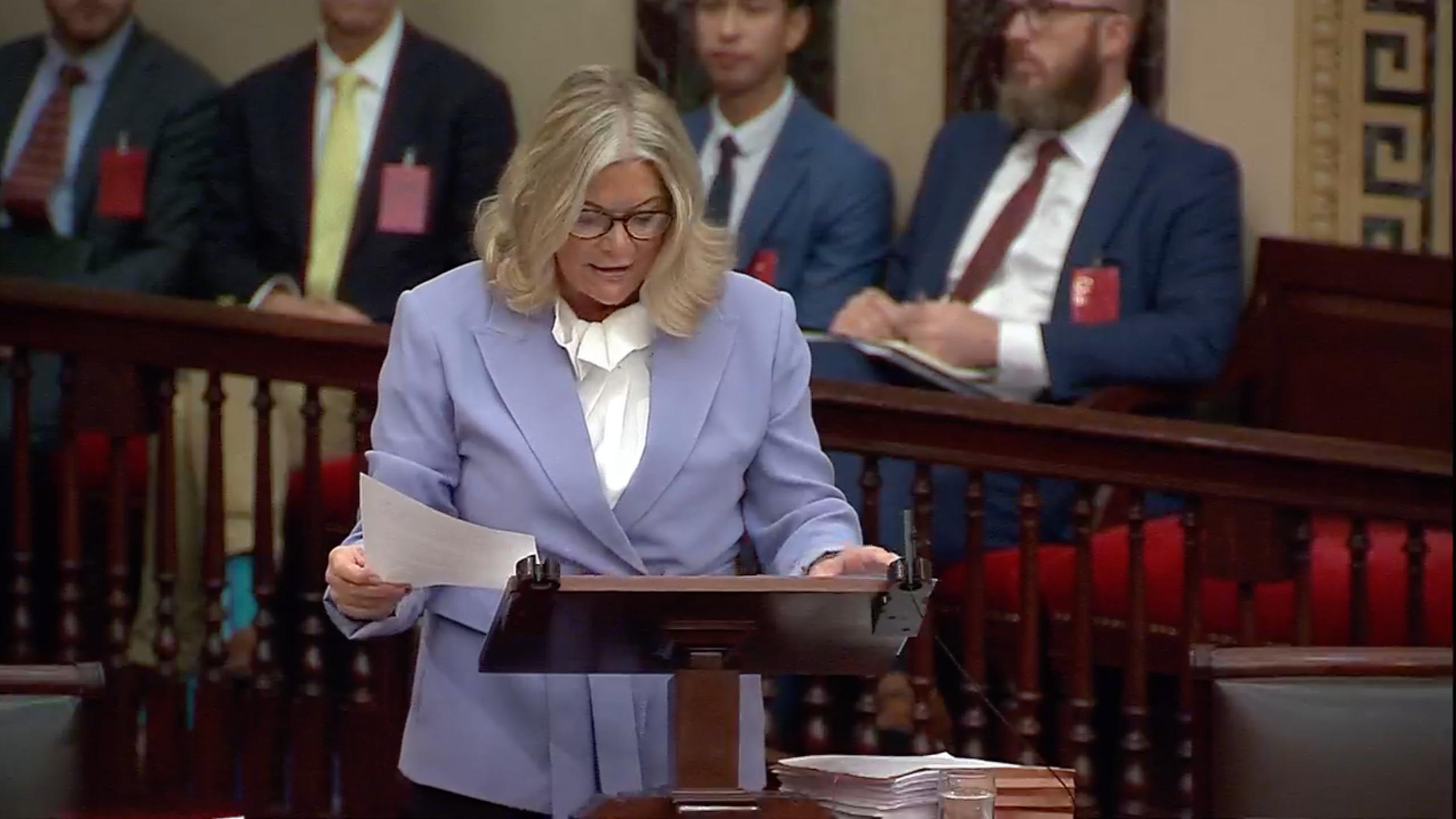
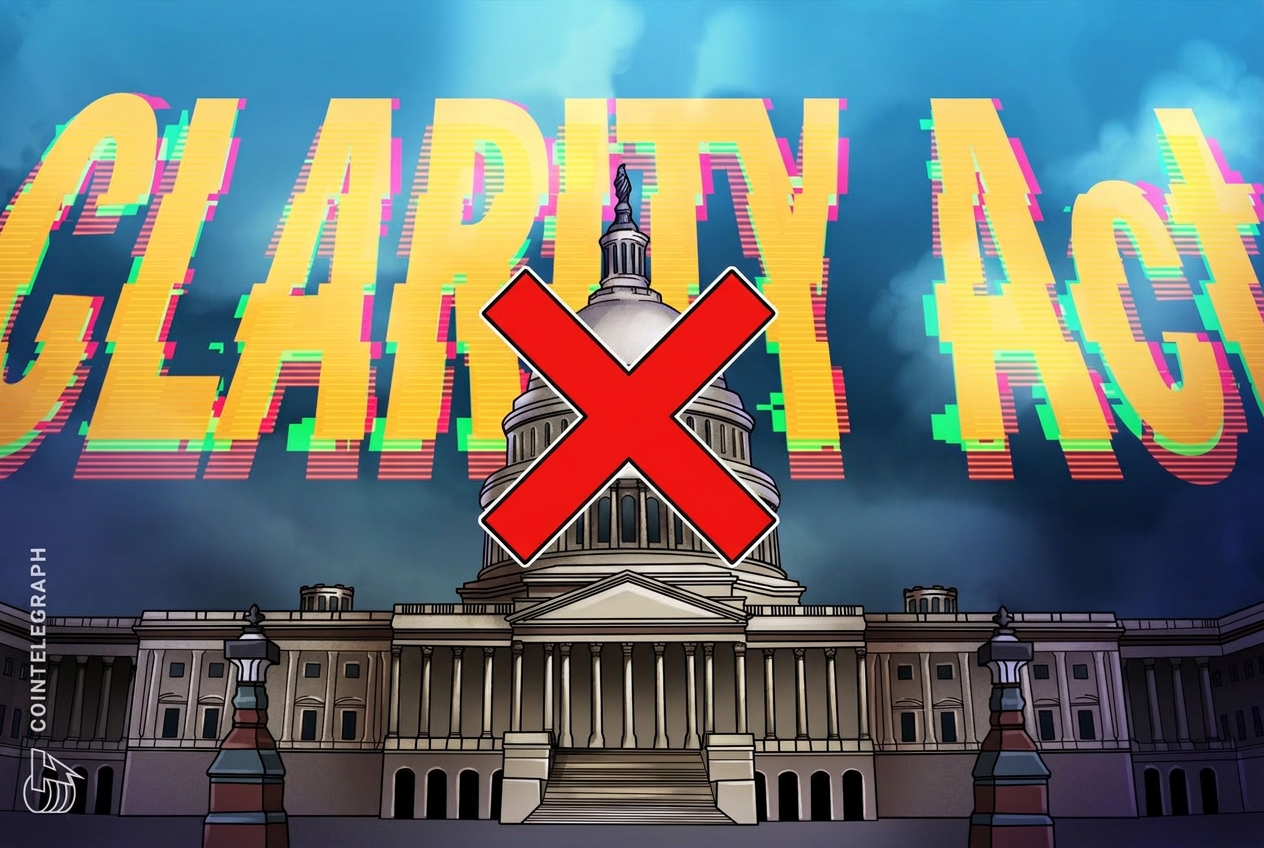
In September 2026, the U.S. Senate failed to pass a cloture motion on the Digital Asset Market Clarity (CLARITY) Act. The bill sought to create the nation’s first comprehensive regulatory framework, clarifying the roles of the CFTC and SEC and adding ethics restrictions on officials. The vote fell short, leaving the bill stalled for the remainder of the year. This example shows how legislative attempts to solidify crypto rules can stall, leaving the existing patchwork of regulations in place.
What It Means for You as an Online Earners
Without a unified framework, you need to stay aware of multiple regulatory angles:
- Platform Choice: Exchanges and earning platforms must comply with both CFTC and SEC rules. A platform that offers futures trading may be subject to CFTC oversight, while one that sells tokenized securities falls under the SEC.
- Tax Reporting: The IRS treats crypto as property, meaning each transaction can be a taxable event. Regulatory uncertainty does not change tax obligations.
- Risk of Enforcement: If a platform or token is later deemed a security, past earnings could be subject to securities regulations, including potential penalties.
How to Evaluate a Crypto Earning Opportunity
When assessing a platform or token, consider these concrete steps:
- Identify the asset’s classification: research whether the token is marketed as a utility, a security, or a commodity.
- Check the platform’s licensing: reputable services often disclose registration with the CFTC, SEC, or state regulators.
- Review the team’s compliance statements: look for clear policies on anti‑money‑laundering (AML) and know‑your‑customer (KYC) procedures.
- Monitor regulatory news: keep an eye on legislative developments, such as the status of the CLARITY Act, to anticipate changes that could affect your earnings.
FAQ
Is earning crypto through staking considered a security?
Staking can be viewed as a security if the token’s sale involved an investment contract. However, many staking rewards are treated as commodity‑based activities. The classification depends on the specific token and how it was initially offered.
Do I need a license to run a crypto‑based side business?
Whether a license is required depends on the services you provide. If you facilitate trading, you may need to register with the CFTC or obtain a broker‑dealer license. Simple content creation or referral programs usually do not require a license, but you must still comply with AML and tax rules.
Can state regulators override federal crypto rules?
State attorneys general can enforce their own consumer‑protection and fraud statutes. In the absence of a comprehensive federal law, state actions can have a significant impact, especially on platforms operating primarily within a single state.
What should I do if a platform I use gets a regulatory warning?
First, stop adding new funds until you understand the issue. Review the platform’s public statements, check for official notices from the CFTC or SEC, and consider moving your assets to a more clearly regulated service.
This article references reporting from cointelegraph.com.