Are you wondering how government rules shape the crypto services you use and what that means for earning online? This article breaks down the basics of crypto regulation, how authorities assess peer‑to‑peer (P2P) platforms, and what you should watch for when you want to earn through trading or lending.
What crypto regulation actually is
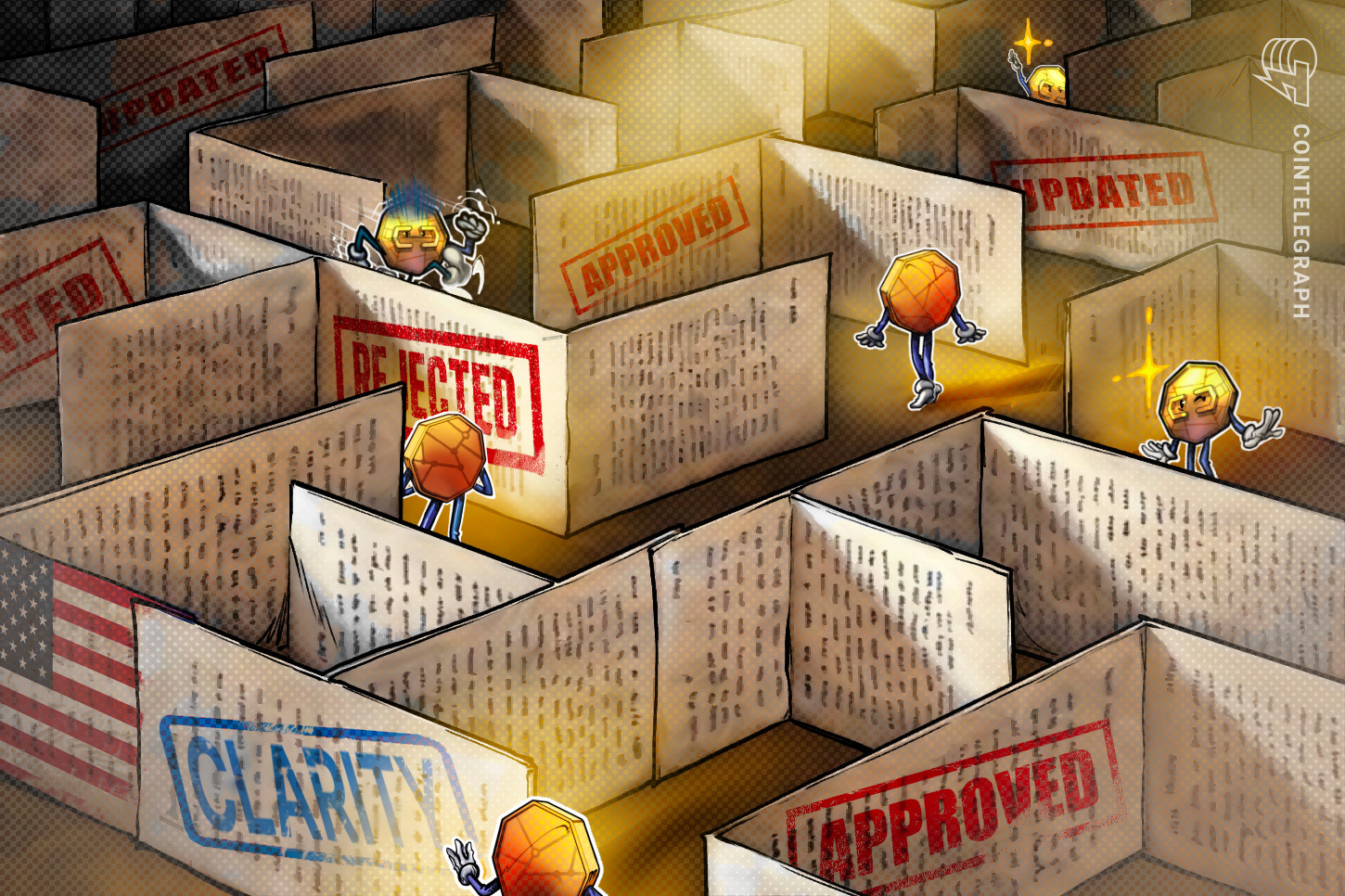
Crypto regulation refers to laws and rules that governments create to oversee digital assets and the services built around them. The goal is to protect consumers, prevent money‑laundering, ensure tax compliance, and maintain financial stability. Unlike traditional banking, which has centuries of legislation, crypto is relatively new, so regulators are still figuring out the best approach.
Key terms you’ll hear:
- Anti‑Money‑Laundering (AML): Rules that require platforms to verify who their users are (Know Your Customer, or KYC) and to monitor transactions for suspicious activity.
- Counter‑Terrorist Financing (CTF): Similar to AML, but focused on stopping funds from reaching terrorist groups.
- Licensing: Some jurisdictions require crypto businesses to obtain a specific license before they can operate legally.
- Consumer protection: Requirements that platforms disclose risks, fees, and the nature of the assets they handle.
- Tax reporting: Obligations for platforms and users to report gains or losses to tax authorities.
Regulators can take a “light‑touch” stance, where they provide guidance but do not enforce strict licensing, or a “hard‑touch” stance, where they actively enforce licensing, AML/KYC, and other compliance measures. The level of scrutiny can vary widely between countries and even within regions of the same country.
A real‑world illustration: the UK raid on P2P hubs
In March 2026, the United Kingdom’s financial watchdogs conducted a coordinated multi‑agency raid on several peer‑to‑peer crypto hubs. The operation signaled a shift away from the UK’s historically “light‑touch” approach toward a more rigorous enforcement model. Authorities targeted platforms that allowed users to trade directly with each other without conducting thorough identity checks or reporting large transactions.
The raids resulted in temporary shutdowns, fines, and a clear message: P2P services must meet the same AML, CTF, and licensing standards as traditional exchanges if they want to continue operating legally. While the news focused on the enforcement action, the underlying topic is how regulation evolves and what that means for everyday users who earn through P2P trading, lending, or staking.
What this means for you as a crypto earner
If you use a P2P platform to buy, sell, or lend crypto, regulatory changes can affect you in three main ways:
- Access to services: Platforms that fail to comply may be forced to shut down or restrict certain features, limiting where you can earn.
- Verification requirements: You may need to provide personal identification, proof of address, and source‑of‑funds documentation before you can trade or withdraw earnings.
- Tax and reporting duties: More stringent rules often come with clearer tax guidance, meaning you’ll need to keep records of each transaction for potential reporting to tax authorities.
These changes do not necessarily eliminate earning opportunities, but they do add steps that can affect speed, privacy, and the overall user experience.
How to assess a P2P platform’s compliance
Before you commit funds, run through this quick checklist:
- Licensing status: Look for a clear statement that the platform holds a license from a recognized regulator (e.g., FCA in the UK, FinCEN in the US).
- KYC/AML policies: Review the platform’s onboarding process. Legitimate services will explain why they need ID verification and how they protect your data.
- Transparency reports: Some platforms publish regular compliance or audit reports. These can give you confidence that they are meeting regulatory standards.
- User reviews and community feedback: Check forums and social media for recent complaints about account freezes or sudden shutdowns.
- Fee structure: Regulatory compliance often adds costs. Compare fees for deposits, withdrawals, and trades to see if they are reasonable.
FAQ
Will regulation make P2P platforms more expensive?
Compliance adds operational costs, which can be passed on as higher fees or tighter spreads. However, regulated platforms may also offer better security and legal recourse, which can offset the extra expense for many users.
Do I have to share my personal information on every platform?
If a platform is licensed and follows AML/KYC rules, yes, you’ll need to provide basic identification. Some decentralized services that operate without a central authority may not require it, but they also carry higher risk of fraud and may be targeted by regulators in the future.
What happens to my crypto if a platform is shut down for non‑compliance?
In many cases, users can withdraw their assets before a shutdown is enforced. If the platform becomes insolvent, recovering funds can be difficult. This is why it’s important to keep only the amount you need on any single platform and to store the rest in a personal wallet you control.
How can I stay updated on regulatory changes?
Follow official announcements from financial regulators in your jurisdiction, subscribe to reputable crypto‑focused newsletters, and monitor community forums where changes are often discussed soon after they are announced.
This article references reporting from coindesk.com.