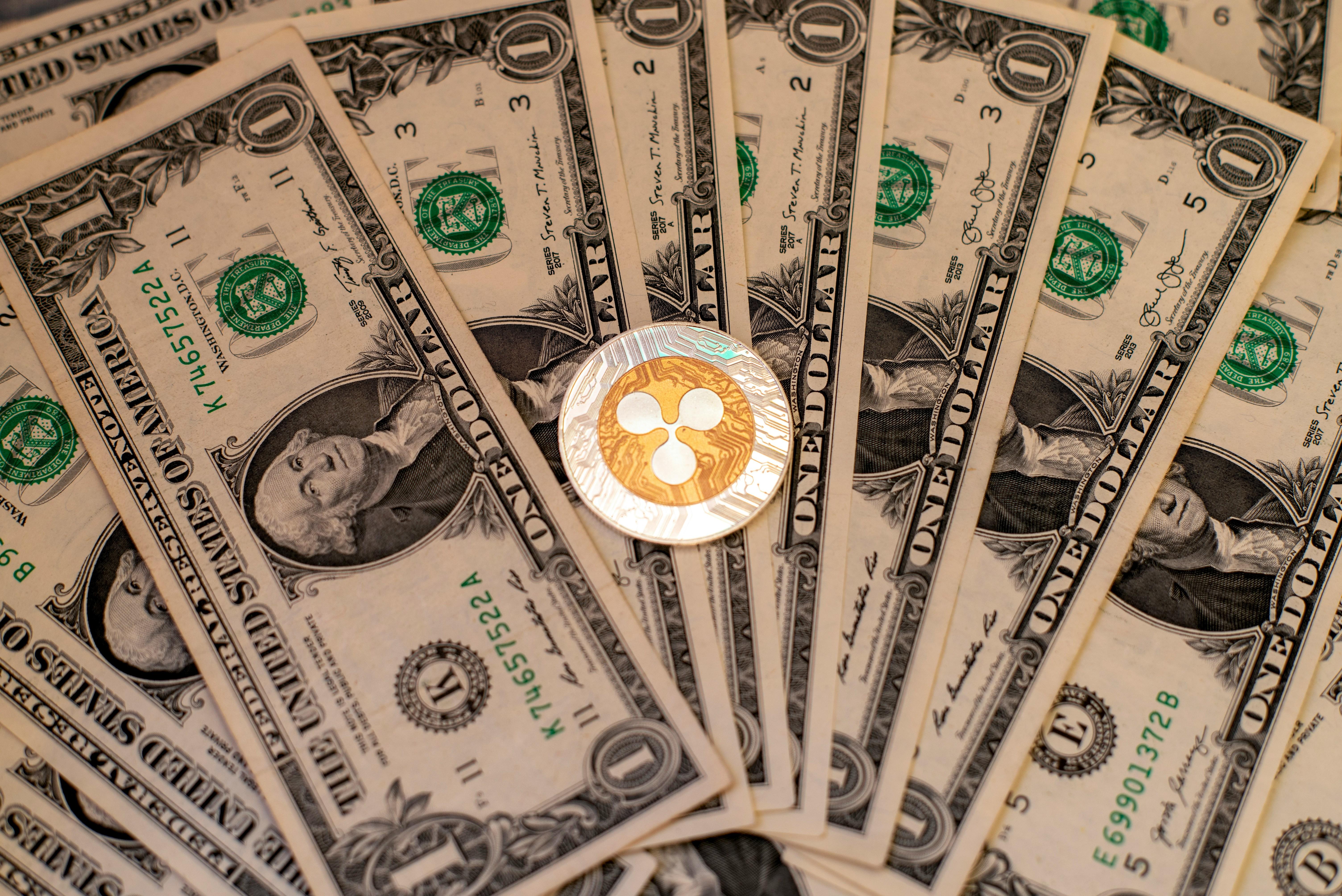
Are you wondering how changes to a blockchain can affect the way you send money or earn crypto? This article explains what a protocol upgrade on the XRP Ledger means for payments, what the technical changes involve, and how they can influence earning strategies for everyday users.
What is an XRP Ledger upgrade and why does it matter?
The XRP Ledger (XRPL) is an open‑source, public blockchain designed for fast, low‑cost cross‑border payments. Like any software, the ledger’s code can be updated to add features, improve security, or increase efficiency. An upgrade, also called a protocol amendment, is a set of changes that must be approved by a majority of the network’s validators before becoming active.
Key terms:
- Validator: a node that confirms transactions and helps reach consensus on the ledger’s state.
- Amendment: a proposed change to the XRPL code that is voted on by validators.
- Consensus: the process by which validators agree on the order and validity of transactions.
When an amendment passes, the new rules are enforced across the entire network. This can affect transaction speed, fee structure, new transaction types, or additional compliance features. Because the XRPL is used by banks, payment processors, and individual users, any change can ripple through the broader payments ecosystem.
How upgrades are developed and rolled out
XRPL upgrades follow a transparent, community‑driven process:
- Proposal: Developers or stakeholders draft an amendment and publish the code on the XRPL GitHub repository.
- Review: The community reviews the code, raises concerns, and suggests improvements.
- Voting: Validators signal support by voting on the amendment during a defined voting period, typically lasting several weeks.
- Activation: If the amendment receives the required supermajority (usually 80 % of validator weight), it becomes active at a pre‑announced ledger index.
- Monitoring: After activation, the network monitors performance and can roll back or patch if unforeseen issues arise.
This structured approach helps maintain stability while allowing the ledger to evolve.
Real‑world illustration
In March 2026, Ripple announced that asset managers were preparing for the XRPL’s next payments upgrade. The upcoming amendment aims to introduce new transaction types that support faster settlement of institutional‑grade payments and optional compliance fields for regulated entities. Ripple’s statement highlighted that several large asset‑management firms were testing the changes in sandbox environments, indicating early adoption by the institutional side of the market.
What it means for you
For everyday users and small‑scale earners, an XRPL upgrade can have several practical effects:
- Lower fees: New fee‑calculation mechanisms may reduce the cost of sending XRP, making micro‑transactions more viable.
- Faster confirmations: Improved consensus parameters can shorten the time it takes for a transaction to be considered final, which is useful for time‑sensitive payments.
- New earning options: Some upgrades add features like escrow enhancements or payment channels that enable new passive‑income products, such as interest‑bearing escrow accounts or liquidity provision for payment routing.
- Regulatory alignment: Optional compliance fields can make it easier for platforms to meet local regulations, potentially expanding the number of services that accept XRP.
These changes can improve the overall user experience and open up additional ways to earn passive income through XRP‑based services.
How to evaluate an upcoming XRPL upgrade
Before adjusting your strategy, consider the following checklist:
- Read the amendment draft: The official GitHub pull request contains the technical details and rationale.
- Check validator support: Look at the voting progress on the XRPL validators’ dashboard to gauge community consensus.
- Assess impact on fees and speed: Compare the current fee schedule with the proposed changes to understand cost implications.
- Identify new features: Determine whether the upgrade adds transaction types you can use for earning, such as escrow or payment‑channel improvements.
- Watch institutional adoption: Early testing by large firms often signals broader market acceptance, which can affect liquidity and demand for XRP.
FAQ
Will an XRPL upgrade affect the price of XRP?
Upgrades can influence market sentiment, but price movements depend on many factors beyond the technical change, including overall crypto market conditions and regulatory news.
Do I need to do anything to benefit from a new feature?
Most upgrades are backward compatible, so existing wallets continue to work. To use new features, you may need to update your wallet software or switch to a service that supports the added transaction types.
Are there risks associated with using new XRPL features?
New features may have undiscovered bugs or require additional security measures. Always test with small amounts first and stay informed about any patches or security advisories.
Can I earn passive income directly from the XRPL upgrade?
Some amendments introduce enhanced escrow or payment‑channel capabilities that platforms can monetize. By participating in services that leverage these features—such as providing liquidity for payment routing—you can earn modest returns, but you should assess the platform’s security and fee structure before committing funds.
This article references reporting from coindesk.com.