Are you wondering why Bitcoin’s price swings sometimes seem tied to the cost of electricity? This article explains how energy prices affect the profitability of Bitcoin mining and what that means for anyone looking to earn crypto through mining or cloud‑based rewards.
What energy costs have to do with Bitcoin mining
Bitcoin mining is the process of validating transactions and adding new blocks to the blockchain. Miners use specialized computers called ASICs (Application‑Specific Integrated Circuits) that solve complex mathematical puzzles. The first miner to solve a puzzle earns the block reward – currently 6.25 BTC – plus any transaction fees included in that block.
Solving these puzzles requires a lot of electricity. The amount of power a miner consumes is measured in watts, and the cost of that power is expressed as a price per kilowatt‑hour (kWh). Because the reward is fixed (until the next halving) while the electricity bill can fluctuate, the profitability of mining is directly linked to the price of energy.
If electricity is cheap, a larger portion of the block reward turns into profit. If electricity prices rise, the same amount of Bitcoin earned may no longer cover the operating costs, making mining less attractive. This relationship is why miners closely watch global energy markets, especially oil and natural‑gas prices that influence electricity rates in many regions.
Real‑world illustration
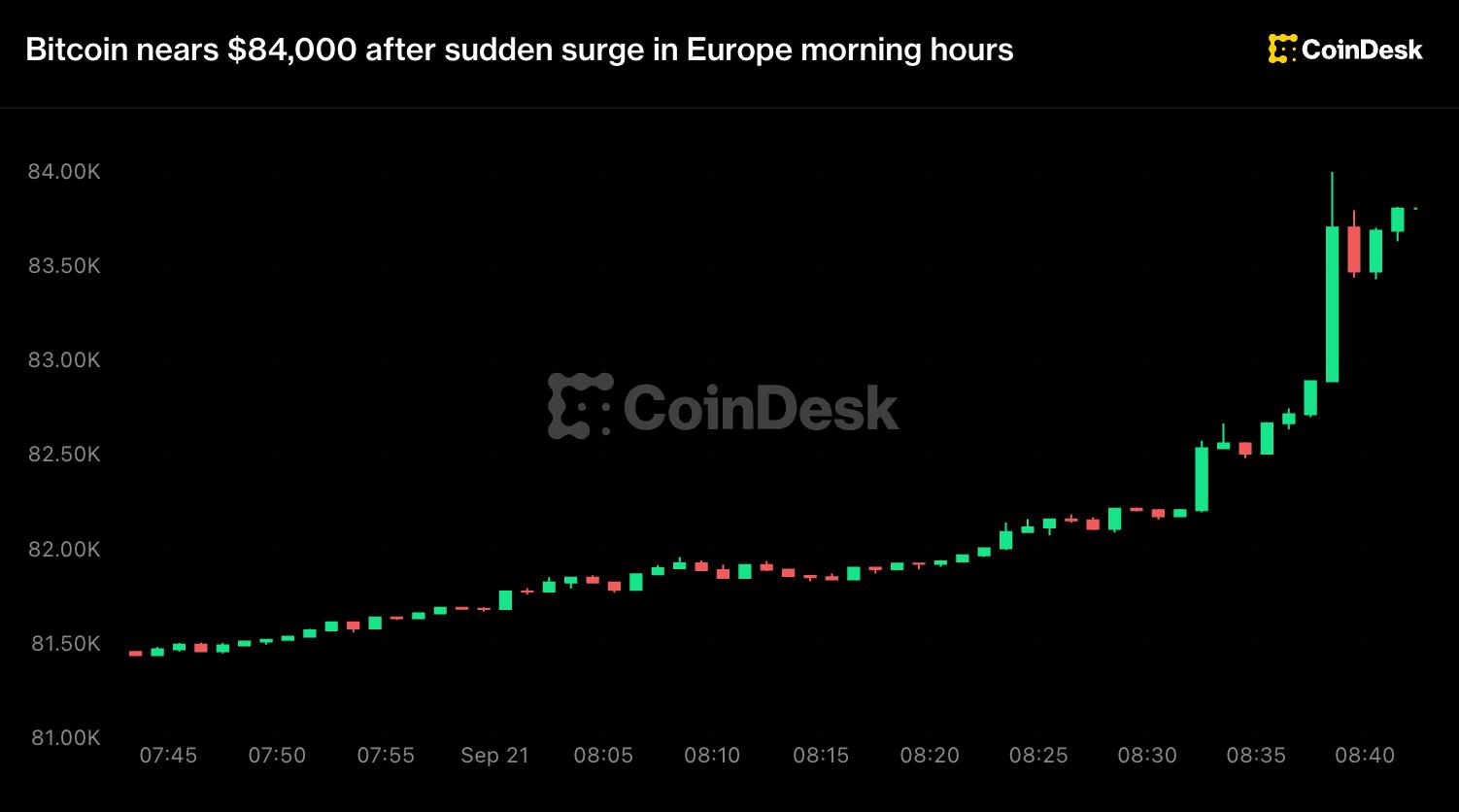
In March 2026, Bitcoin traded just under $84,000, up nearly 2 % in 24 hours. Analysts noted that the rally was helped by a drop in oil prices – Brent crude fell for a fourth consecutive day. Lower oil prices often translate into cheaper electricity, especially in areas where power generation relies on fossil fuels. The reduced energy cost eased inflation concerns, prompting investors to move into risk assets like Bitcoin.
What this means for you
If you are considering mining hardware at home, joining a mining pool, or using a cloud‑mining service, the price of electricity in your location will be a key factor in your earnings. Even a modest increase in your local kWh rate can turn a marginally profitable operation into a loss‑making one.
For cloud‑mining platforms that pool together many miners, the impact of energy costs is often baked into the contract price. However, the platform’s profitability still depends on the overall energy market. When electricity prices fall, the platform can offer higher returns to its users; when they rise, payouts may be reduced.
What to check before you start mining
- Electricity rate: Find out your exact cost per kWh. Include any demand charges or taxes that may apply.
- Hardware efficiency: Compare the hash rate (the speed at which a device can solve puzzles) to its power consumption, usually expressed as joules per terahash (J/TH). More efficient hardware reduces the energy needed per Bitcoin earned.
- Location: Some regions have subsidised renewable energy or lower rates for industrial users. Mining in such areas can improve profitability.
- Break‑even price: Use an online mining calculator to input your hardware specs, electricity cost, and current Bitcoin price. The calculator will show the Bitcoin price needed to break even.
- Contract terms (cloud mining): Review how the provider accounts for energy price changes. Fixed‑price contracts lock in a rate, while variable contracts may adjust payouts based on market conditions.
FAQ
Why does a drop in oil prices affect Bitcoin’s price?
Lower oil prices often lead to cheaper electricity, which reduces mining costs. When mining becomes more profitable, more miners may join the network, increasing the hash rate and potentially supporting higher Bitcoin prices.
Can I mine profitably with renewable energy?
Renewable sources like solar or wind can provide low‑cost electricity, especially if you own the generation assets. However, the initial investment is higher, and the availability of power may be intermittent, requiring storage or backup solutions.
How often should I recalculate my mining profitability?
At least once a month, or whenever there is a significant change in electricity rates, Bitcoin’s market price, or the network’s difficulty (the measure of how hard it is to find a new block).
Is cloud mining safer than running hardware at home?
Cloud mining removes the need to manage hardware and electricity directly, but it introduces counterparty risk – you must trust the provider to operate efficiently and honor payouts. Research the provider’s reputation, transparency, and how they handle energy costs before committing.
This article references reporting from coindesk.com.