Are you wondering how digital tokens representing real‑world assets can be settled safely without relying on private stablecoins? This article explains the mechanics of tokenized asset settlement using central bank money, why it matters, and what you should look for when evaluating such systems.
What tokenized settlement with central bank money means
Tokenization is the process of converting a physical or financial asset—such as a bond, commodity, or real‑estate share—into a digital token that lives on a distributed ledger technology (DLT) network. Each token carries information about ownership and can be transferred peer‑to‑peer, just like a cryptocurrency.
When two parties trade tokenized assets, they need a way to move the corresponding value from the buyer to the seller. Traditionally, this has been done using private settlement assets, most commonly stablecoins—digital tokens pegged to a fiat currency and issued by private entities. While stablecoins are convenient, they carry counterparty risk because their value depends on the issuer’s ability to maintain the peg and on the legal framework governing that issuer.
Central bank money, on the other hand, is the digital equivalent of cash that banks hold in accounts at the central bank. It is considered risk‑free because the central bank guarantees its value and liquidity. Settling tokenized transactions with central bank money means that the buyer’s payment is transferred directly in this risk‑free asset, eliminating the need for a private intermediary.
Key terms:
- Distributed Ledger Technology (DLT): A database that is shared across multiple locations or participants, enabling transparent and tamper‑evident record‑keeping.
- Stablecoin: A cryptocurrency designed to maintain a stable value relative to a fiat currency, usually backed by reserves.
- Central Bank Money: Digital balances held at a central bank, representing the highest‑quality, risk‑free form of money.
- Smart Contract: Self‑executing code on a DLT that automatically enforces the terms of an agreement when predefined conditions are met.
Real‑world illustration: the ECB’s Pontes platform
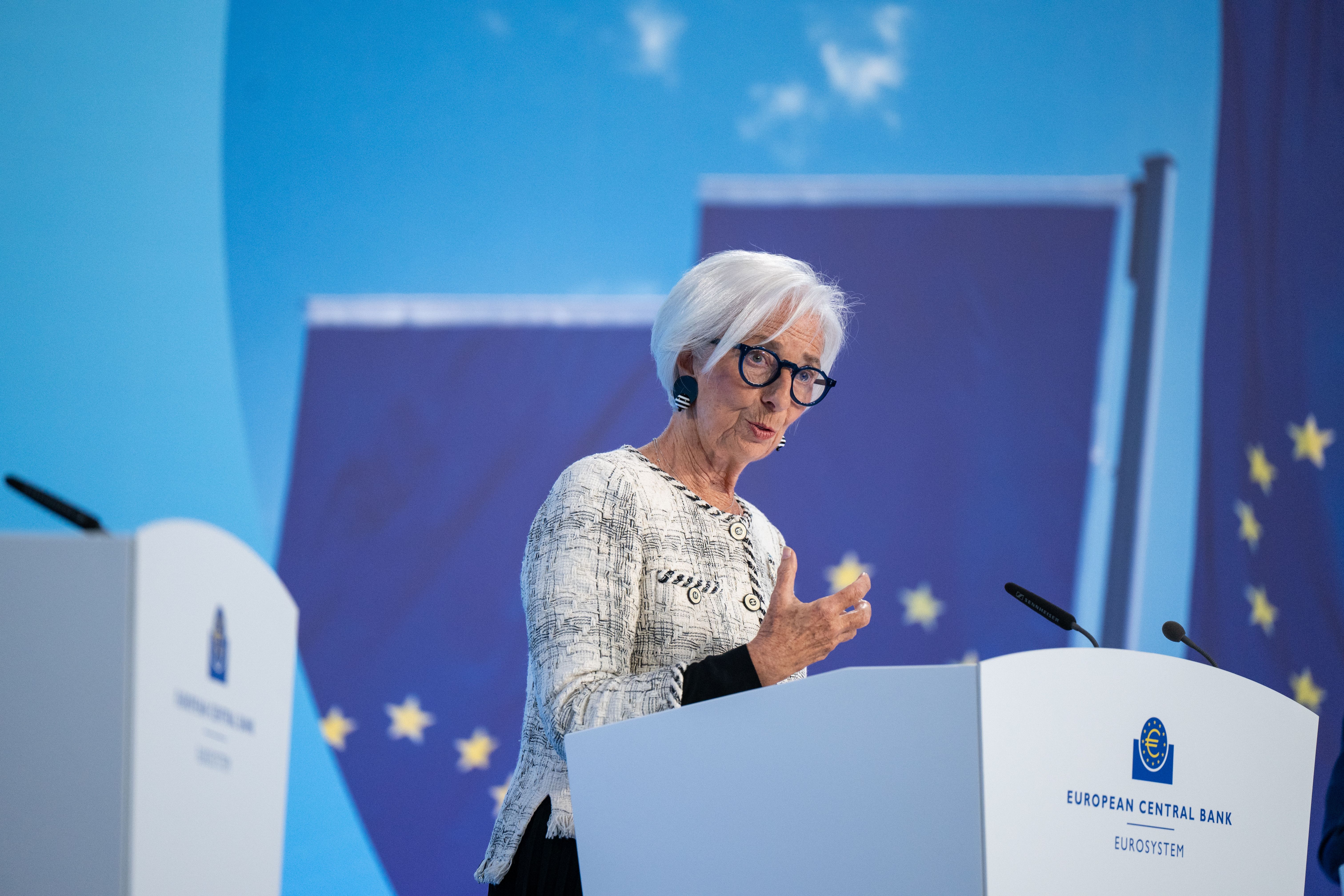
On 21 September 2026, the European Central Bank (ECB) launched Pontes, a system that lets financial institutions settle wholesale tokenized asset transactions using central bank money instead of stablecoins. Pontes starts with a core set of services and aims for full implementation by 2028, gradually expanding its operating hours and participant base.
The ECB highlighted that tokenized assets can benefit from faster, more efficient wholesale transactions when issuance, trading, settlement, custody, and servicing are combined on a single platform. By using central bank money, Pontes provides a “risk‑free settlement asset,” a feature that participants in the 2024 ECB tests identified as crucial for broader adoption of tokenized finance.
What this means for you
If you are considering earning income by providing liquidity, trading tokenized securities, or participating in blockchain‑based financial services, the settlement method matters. Using central bank money reduces the counterparty risk associated with private stablecoins, which can translate into lower capital requirements and potentially more attractive returns for participants.
For individuals looking to earn passive income through tokenized assets, platforms that settle in central bank money may offer a more stable environment, especially in volatile markets. However, access to such systems is typically limited to regulated financial institutions, so indirect participation—such as investing in funds that use these settlement layers—might be the practical route.
How to evaluate a tokenized settlement system
- Check the settlement asset: Is it central bank money or a private stablecoin? Central bank money generally offers lower risk.
- Assess regulatory backing: Systems backed by central banks or major regulators tend to have clearer legal frameworks.
- Look for interoperability: Does the platform support multiple DLT networks and asset types?
- Review operational transparency: Are the settlement processes, smart‑contract logic, and audit trails publicly documented?
- Consider participant eligibility: Determine whether you can access the platform directly or need to go through an intermediary.
FAQ
What is the advantage of using central bank money over stablecoins?
Central bank money is guaranteed by the issuing central bank, eliminating the credit and liquidity risk that can affect private stablecoins if the issuer faces solvency issues or regulatory challenges.
Can retail investors use platforms like Pontes?
Currently, Pontes is designed for wholesale financial institutions. Retail investors may gain exposure indirectly through funds or services that settle tokenized trades using Pontes.
Do I need to understand smart contracts to participate?
While smart contracts automate settlement, most end‑users interact through a user interface provided by the platform or its partner. However, a basic understanding helps you assess the reliability of the automation.
Is tokenization only for large institutions?
No. Tokenization can be applied to assets of any size, but the infrastructure for risk‑free settlement, like Pontes, is currently focused on larger participants. Smaller players can still benefit by using services built on top of these infrastructures.
This article references reporting from cointelegraph.com.