Ever wonder how a traditional stock can become a digital token you can hold in a crypto wallet? This article explains the mechanics of stock tokenization, the role of in‑kind conversion, and what these developments mean for anyone looking to earn passive income through blockchain‑based assets.
What is a tokenized stock?
A tokenized stock is a blockchain‑based representation of a share of a publicly listed company. Each token is backed 1‑to‑1 by an actual share held in custody, meaning the token’s value should mirror the underlying security. The token lives on a public ledger—such as Ethereum or BNB Chain—so it can be transferred, stored in a crypto wallet, and used in decentralized finance (DeFi) applications.
Key terms:
- Tokenization: The process of converting a real‑world asset into a digital token that can be moved on a blockchain.
- Custodian: A trusted entity that holds the physical or electronic shares that back the tokens.
- On‑chain: Activities that occur directly on a blockchain, where every transaction is recorded publicly.
- In‑kind conversion: Swapping the actual underlying shares for their token equivalents (or vice‑versa) without using cash as an intermediate step.
How does the tokenization process work?
First, an institution or custodian acquires the shares it wants to tokenize. Those shares are placed in a segregated account that the tokenization platform can access. The platform then mints a matching number of digital tokens on a blockchain, assigning each token a claim on one share. When a holder wants to redeem the token, the platform burns (destroys) the token and releases the corresponding share back to the holder’s brokerage account.
This model relies on strict audits and legal agreements to ensure that every token is fully collateralized. Because the tokens are on a public blockchain, they can be traded 24/7 across global markets, bypassing the traditional stock‑exchange hours and settlement processes.
Real‑world illustration: Ondo’s in‑kind conversion system
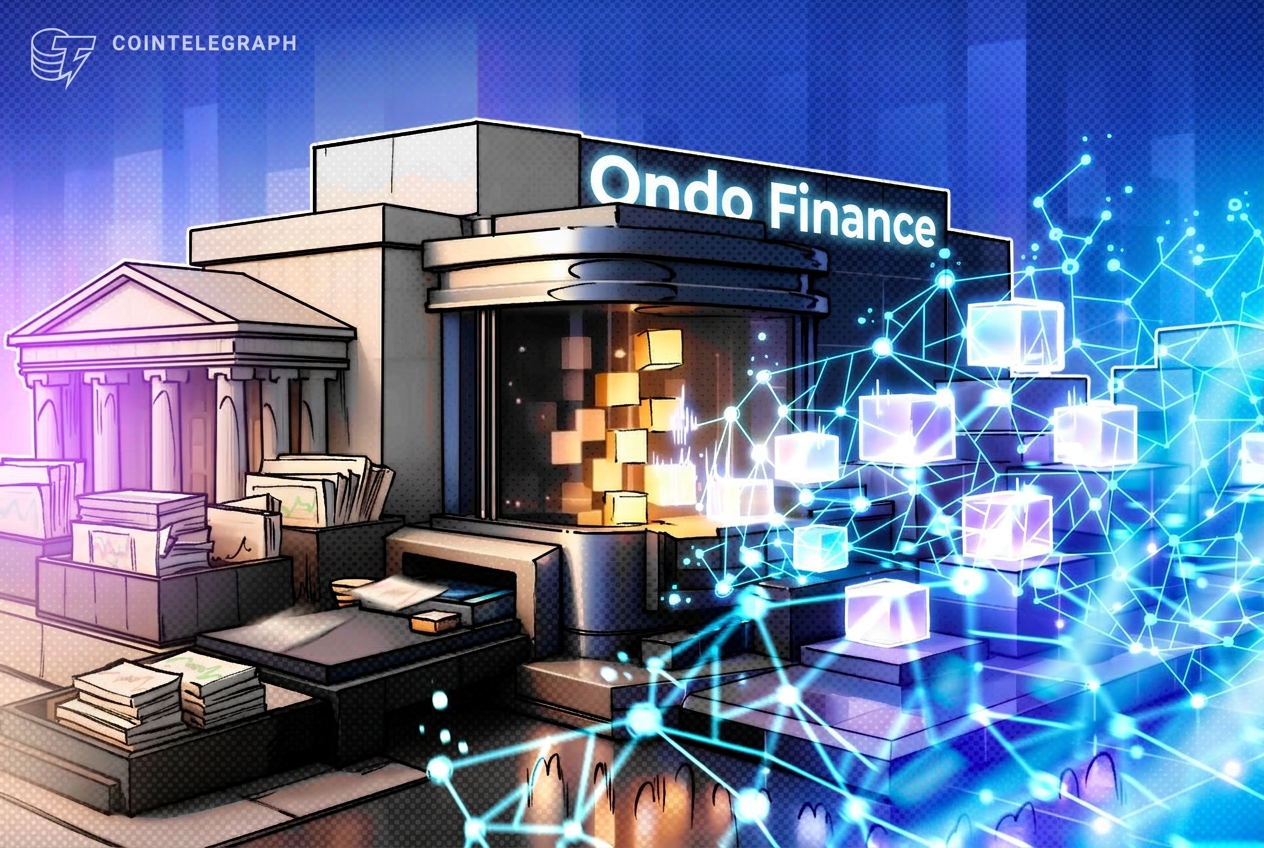
In September 2026, Ondo Finance announced an “in‑kind conversion” feature for its tokenized stock and ETF products. Under this system, an approved institution can move shares from its Alpaca brokerage account to Ondo via an internal book transfer. Ondo then issues the corresponding “Ondo Stocks” tokens on Ethereum or BNB Chain. The process works in reverse as well: the institution can redeem the tokens and receive the original shares back, all without needing to provide additional cash.
Previously, Ondo’s model required institutions that already owned the underlying shares to also supply cash to mint the tokens. The new in‑kind route lets them use the shares themselves, reducing the extra capital needed, cutting financing costs, and aligning the timing of traditional and tokenized positions.
What this means for you
If you are exploring ways to earn passive income through crypto‑based assets, tokenized stocks open a bridge between traditional equities and the DeFi ecosystem. Holding a tokenized share lets you:
- Earn any dividends or corporate actions that the underlying stock distributes, typically paid out automatically to token holders.
- Participate in lending or yield‑generating protocols that accept tokenized equities as collateral.
- Trade the token on decentralized exchanges (DEXs) at any hour, potentially capturing price movements outside regular market hours.
However, the benefits come with responsibilities. You must trust the custodian and the tokenization platform to maintain full collateralization, and you remain subject to the same market risk as the underlying stock.
How to evaluate a tokenized stock platform
Before committing capital, consider the following checkpoints:
- Regulatory compliance: Verify that the platform is licensed to handle securities in the relevant jurisdictions and follows Know‑Your‑Customer (KYC) and Anti‑Money‑Laundering (AML) rules.
- Custody arrangements: Ensure the underlying shares are held by a reputable, audited custodian and that regular attestations are published.
- Transparency of minting and burning: The platform should provide on‑chain proof that each token is minted only when a share is deposited and burned when redeemed.
- Liquidity options: Check whether the token is listed on reputable DEXs or centralized exchanges, and assess the depth of order books.
- Fee structure: Compare minting, redemption, and transaction fees against traditional brokerage costs.
FAQ
Can I hold tokenized stocks in a regular crypto wallet?
Yes. As long as the wallet supports the blockchain the token lives on (e.g., Ethereum or BNB Chain), you can store the token just like any other ERC‑20 or BEP‑20 asset.
Do tokenized stocks pay dividends?
When the underlying company issues a dividend, the token issuer typically distributes the cash to token holders proportionally, either directly to their wallets or via a claim process.
Is there a risk that the token becomes uncoupled from the real share?
If the custodian fails to maintain full backing or the platform experiences a security breach, the token could lose its 1‑to‑1 link. That’s why regulatory oversight and regular audits are critical.
Can I use tokenized stocks as collateral for loans?
Many DeFi lending protocols accept tokenized equities as collateral, allowing you to borrow stablecoins or other assets while still holding the token.
This article references reporting from cointelegraph.com.