Wondering what to do with your crypto if an exchange stops trading? This guide explains how withdrawals work, what risks to watch for, and how you can protect your assets when a platform winds down.
What a shutdown means and how withdrawals function
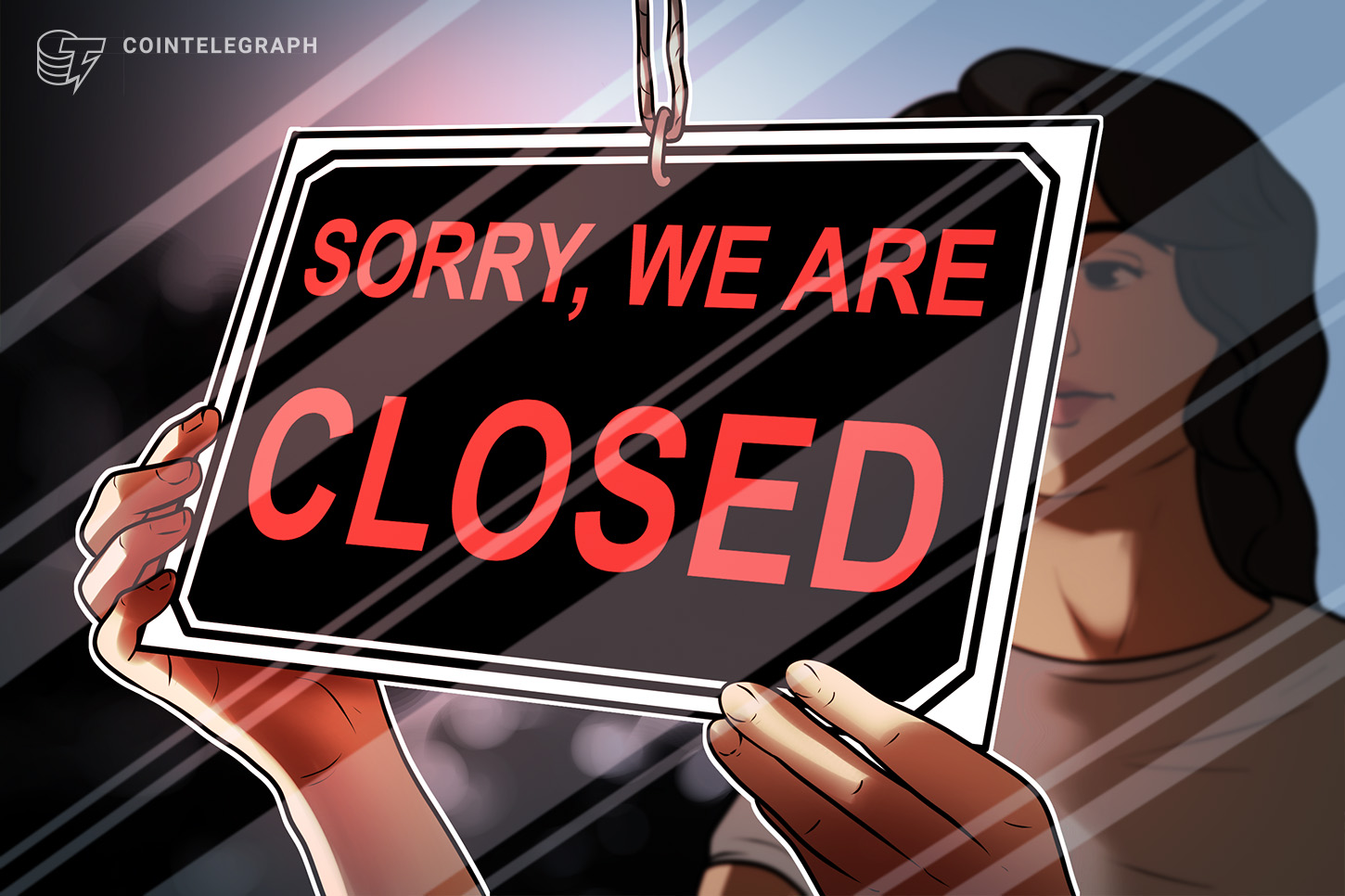
When a crypto exchange decides to close, it typically disables new trading and deposits but keeps the withdrawal feature active for a limited period. A withdrawal is the process of moving your digital assets from the exchange’s internal ledger to an external wallet that you control. Because the exchange holds your coins in custodial accounts, you must initiate a transaction that updates the blockchain, proving that the assets have left the exchange’s custody.
The exchange’s internal system creates a signed transaction using its private keys and broadcasts it to the relevant blockchain network. Once the network confirms the transaction, the funds appear in the address you provided. This process is the same whether the platform is operating normally or in a shutdown phase; the only difference is the time window and the possible removal of certain tools, such as API‑based withdrawals.
Real‑world example
In September 2026, BitMEX announced the end of all exchange operations after more than 11 years. The platform stopped accepting new trades and deposits at 4:00 UTC on September 23, but it kept its web‑based withdrawal service open. BitMEX also warned users that API withdrawals would be disabled on September 28, meaning everyone had to log in through the website to move their remaining balances.
What it means for you
If you hold assets on a platform that is shutting down, you should treat the withdrawal window as a deadline. After the cutoff, you may lose access to your funds, especially if the exchange does not offer a later “cold storage” option. Even though the exchange may claim that funds remain secure, you have no control over the private keys that protect those assets. Acting promptly reduces the risk of being caught in legal disputes, technical glitches, or unexpected freezes.
What to check before you withdraw
- Withdrawal fees and minimums: Some exchanges raise fees during a shutdown to cover operational costs. Verify the exact cost and ensure it doesn’t erode a significant portion of your balance.
- Supported withdrawal methods: Confirm whether the platform still supports direct blockchain withdrawals, or if it only offers internal transfers to partner services.
- Network congestion and confirmation times: High traffic can delay withdrawals. Choose a blockchain with reasonable fees and confirm that the exchange will broadcast the transaction promptly.
- Two‑factor authentication (2FA) and account security: Ensure your login credentials, 2FA device, and recovery codes are up to date. A compromised account could be emptied before you act.
- Legal notices and user agreements: Read any final communications from the exchange. Some may outline specific steps or timeframes that affect how you can retrieve your assets.
FAQ
Can I still withdraw after the API deadline?
Yes, if the exchange keeps its web interface active. API withdrawals are often disabled first because they are automated, but manual withdrawals through the website usually remain available until the final shutdown date.
What if the exchange claims my funds are “secure” but I can’t withdraw?
Security statements do not guarantee access. If withdrawals are blocked, you may need to pursue legal channels, which can be costly and time‑consuming. It’s safer to move assets while the platform still allows withdrawals.
Do I need to move every coin I hold?
Yes. Even if a particular token is not listed for trading, it may still be stored in your account balance. Withdraw all assets to wallets where you control the private keys to avoid being left with stranded funds.
How can I verify that a withdrawal actually left the exchange?
After initiating a withdrawal, the exchange should provide a transaction hash (TxID). You can paste this hash into a block explorer for the relevant blockchain to see the confirmation status and the destination address.
This article references reporting from cointelegraph.com.