Are you wondering how the United States Securities and Exchange Commission (SEC) decides which crypto cases to pursue and what that means for your investments? This article explains the SEC’s enforcement process, why cases may be dropped, and how those decisions can impact everyday crypto earners.
What the SEC’s enforcement process actually looks like
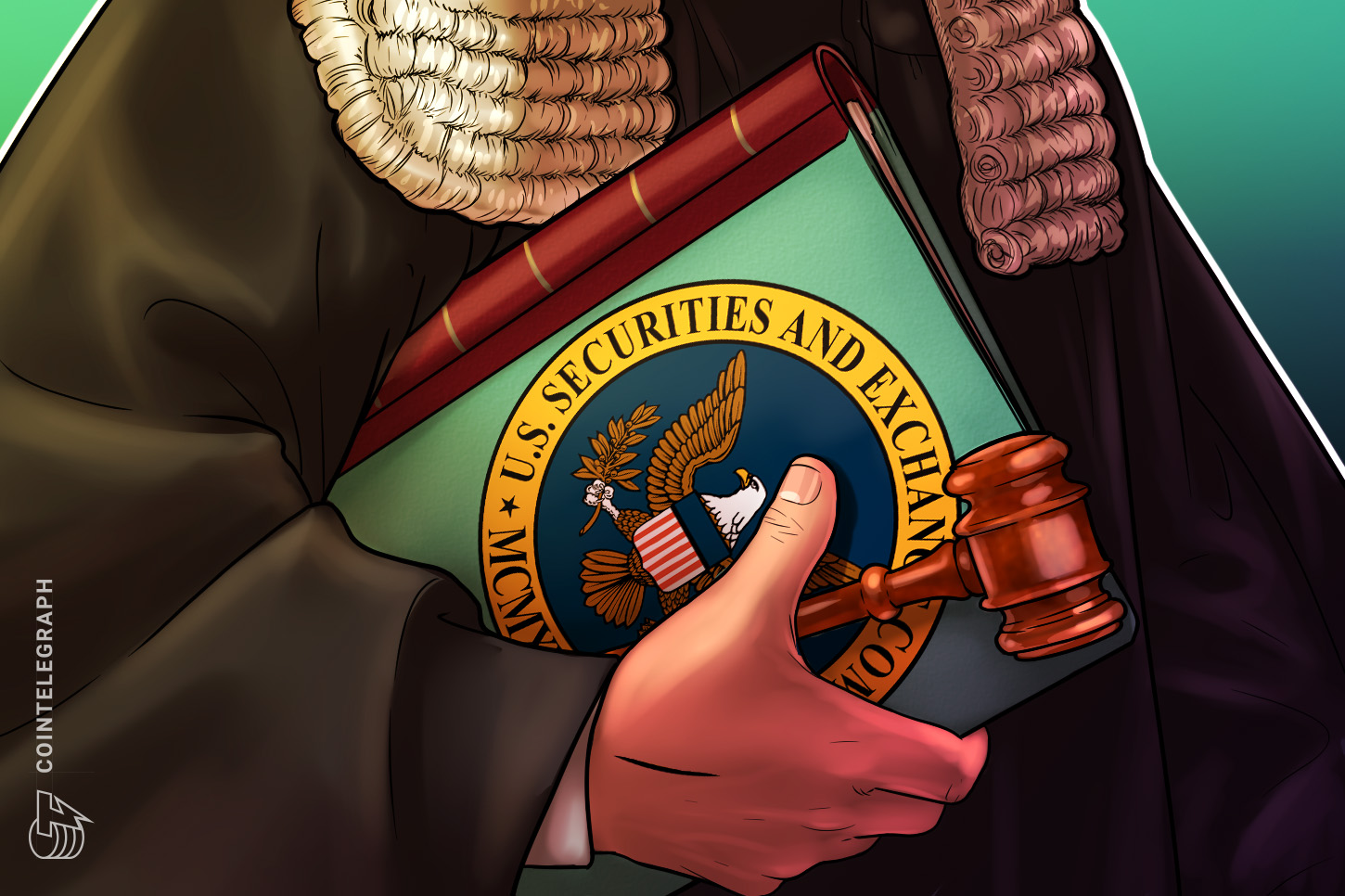
The SEC is the federal agency responsible for enforcing securities laws, which include many aspects of cryptocurrency projects that sell tokens or operate platforms. When the agency believes a company has violated the securities laws, it can file a civil enforcement action. This usually begins with a investigation, where staff gather evidence, interview witnesses, and assess whether the conduct fits the legal definition of a securities violation.
If the investigation finds sufficient cause, the SEC will issue a complaint in federal court. The complaint outlines the alleged wrongdoing and the relief the agency seeks, such as fines, disgorgement of profits, or an injunction to stop the behavior. The case then proceeds through the usual litigation steps: discovery, motions, possible settlement, or trial.
However, the SEC does not have unlimited resources, and its enforcement priorities can shift with changes in leadership, policy goals, or political pressure. When the agency decides a case no longer aligns with its strategic direction, it may dismiss the action. A dismissal can be “with prejudice” (the case cannot be refiled) or “without prejudice” (the agency could bring it again later). The decision to drop a case is often based on legal assessments, resource constraints, or anticipated changes in the regulatory framework.
Real‑world illustration: the 2025 case drops
In early 2025, the SEC withdrew several high‑profile enforcement actions against crypto firms such as Kraken, Ripple Labs, and Coinbase. Former acting chair Mark Uyeda explained at a conference in September 2026 that the agency wanted to avoid “credibility problems” that could arise if it continued litigating cases while preparing a “180‑degree change” in its rulemaking approach. Uyeda said the agency feared that arguing for positions in court that contradicted its upcoming policy shift would undermine its authority.
What this means for you as a crypto earner
When the SEC drops a case, the immediate effect is that the targeted company no longer faces the legal and financial uncertainty of an ongoing lawsuit. This can lead to short‑term price stability or even a modest rally, as investors interpret the dismissal as a sign of regulatory leniency. However, the underlying regulatory risk does not disappear. If the agency later adopts new rules that apply retroactively, the same activities could become non‑compliant, potentially exposing the company—and by extension its users—to future enforcement.
For those earning passive income through staking, lending, or cloud mining, a dropped case does not guarantee safety. The platform’s compliance with future SEC guidance remains a key factor in whether your earnings remain uninterrupted and legally sound.
How to evaluate regulatory risk before you commit
- Check the current enforcement focus. The SEC publishes annual reports and press releases that highlight priority areas, such as unregistered securities offerings or fraud in DeFi.
- Look for pending rulemaking. Proposed rules are posted on the SEC’s website and often undergo a public comment period. A platform that is proactive in adapting to these proposals is less likely to face surprise enforcement.
- Assess the company’s legal history. A track record of settlements or dismissed cases can indicate how the firm handles regulatory scrutiny.
- Consider the jurisdiction. Some crypto services operate internationally, but U.S. investors are still subject to SEC jurisdiction if the offering is deemed to involve U.S. investors.
- Stay informed about leadership changes. New commissioners can shift enforcement philosophy, as seen when Uyeda’s acting chairmanship led to a temporary pause on certain cases.
FAQ
Why would the SEC drop a case instead of continuing to litigate?
Dropping a case can preserve the agency’s credibility if it anticipates a major policy shift that would conflict with the arguments it would need to make in court. It also conserves resources for higher‑priority enforcement actions.
Does a dismissed case mean a crypto company is now safe from regulation?
No. The SEC can still bring future actions if new rules apply to the same conduct. Dismissal only removes the immediate legal threat.
How can I protect my earnings if the regulatory environment changes?
Choose platforms that are transparent about compliance, monitor SEC announcements, and consider diversifying across services that operate under different regulatory regimes.
Will a change in SEC leadership affect ongoing crypto cases?
Leadership changes can alter enforcement priorities, leading to case dismissals, new filings, or revised guidance. Keeping an eye on the composition of the commission helps anticipate such shifts.
This article references reporting from cointelegraph.com.