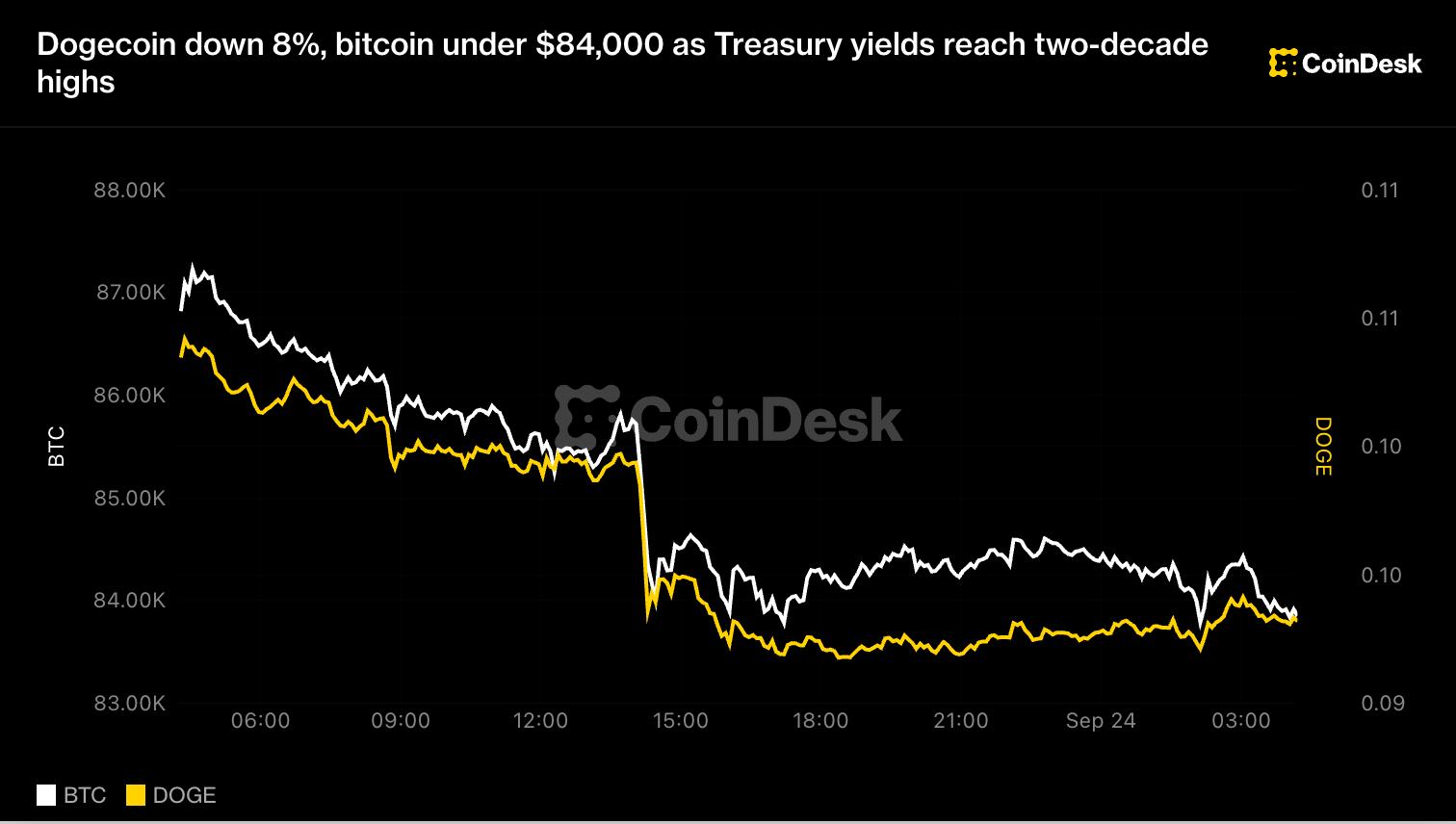
Do you wonder why a sudden rise in U.S. Treasury yields often coincides with a dip in Bitcoin or other cryptocurrencies? This article explains the connection between bond yields and crypto market movements, so you can better understand the forces that affect your online earnings.
What Treasury Yields Are and Why They Matter
A Treasury yield is the annual return investors receive for lending money to the U.S. government by buying Treasury securities such as bills, notes, or bonds. Because the U.S. government is considered the safest borrower, Treasury yields serve as a benchmark for the cost of capital across the entire financial system.
When yields rise, it means investors demand a higher return for holding government debt. This usually happens because of expectations of higher inflation, tighter monetary policy, or stronger economic growth. Higher yields make fixed‑income assets more attractive compared with riskier investments, because they now offer a better risk‑adjusted return.
Cryptocurrencies, especially Bitcoin, are often treated as “risk‑on” assets. Investors buy them hoping for high upside, but they also accept higher volatility. When a safer, higher‑yielding option becomes available, some capital flows out of risk‑on assets and into Treasuries, putting downward pressure on crypto prices.
How the Yield‑Crypto Relationship Works
There are three primary mechanisms through which Treasury yields affect crypto markets:
- Opportunity Cost. If a 10‑year Treasury yields 4 % while Bitcoin’s expected return is uncertain, a risk‑averse investor may prefer the guaranteed 4 % and sell crypto to buy bonds.
- Funding Costs. Many crypto traders borrow fiat or stablecoins to leverage positions. The cost of that borrowing is often linked to short‑term rates, which move in tandem with Treasury yields. Higher rates increase financing costs, squeezing profit margins for leveraged traders.
- Market Sentiment. Yield movements signal broader macroeconomic trends. A rapid increase in yields can indicate that the Federal Reserve may raise interest rates, which historically has coincided with risk‑off sentiment across markets, including crypto.
Real‑World Illustration
In March 2026, Treasury yields climbed to their highest level since 2007. The spike was driven by strong inflation data and expectations of further Federal Reserve tightening. On the same day, Dogecoin fell 8 % and Bitcoin slipped below $84,000, as reported by market trackers. The simultaneous move highlights how higher yields can trigger a sell‑off in crypto assets, even when the underlying blockchain fundamentals remain unchanged.
What This Means for Your Online Earnings
If you earn passive income through crypto staking, mining, or cloud‑based reward platforms, yield‑driven price swings can affect the dollar value of your rewards. Even though the number of tokens you receive may stay the same, a lower market price reduces the fiat equivalent of your earnings.
Conversely, a period of rising yields can present buying opportunities. When crypto prices dip due to a yield shock, you may be able to acquire more tokens for the same amount of fiat, potentially increasing future earnings once the market stabilises.
How to Assess Yield Impact Before You Act
- Track Benchmark Yields. Keep an eye on the 10‑year Treasury yield (often quoted as “10Y”) and the 2‑year yield. These are the most closely watched indicators of market expectations.
- Watch the Yield Curve. A flattening or inverted yield curve (short‑term yields approaching or exceeding long‑term yields) often precedes economic slowdowns and can intensify risk‑off moves.
- Monitor Funding Rates. If you use leveraged positions, check the borrowing rates on the platforms you use. Higher rates can erode profit margins quickly.
- Consider Dollar‑Cost Averaging. Instead of timing the market, spread purchases over time. This reduces the impact of short‑term price swings caused by yield changes.
- Diversify Across Asset Classes. Combine crypto exposure with other investments such as equities, bonds, or real‑estate‑linked tokens to smooth overall portfolio volatility.
FAQ
Why do crypto prices sometimes rise when Treasury yields fall?
When yields drop, bonds become less attractive relative to riskier assets. Investors often shift capital into equities and crypto, driving up demand and prices.
Do higher yields always mean lower crypto prices?
Not necessarily. The relationship is a tendency, not a rule. Other factors—such as network upgrades, regulatory news, or major institutional inflows—can outweigh yield effects.
Can I protect my crypto earnings from yield‑driven price drops?
Using stablecoins for earnings can hedge against price volatility, but stablecoins themselves can be affected by market stress. A balanced approach that includes both volatile and stable assets is generally more resilient.
How often should I check Treasury yields?
For most passive earners, a weekly glance at the 10‑year yield is sufficient. Active traders may monitor yields daily, especially during periods of economic data releases.
This article references reporting from coindesk.com.