Are you worried that the crypto exchange you use could be compromised? This article explains the common ways exchanges are breached, what the underlying technical failures look like, and how you can reduce the risk to your own holdings.
What a crypto exchange hack actually is
A crypto exchange is a platform that lets users deposit, trade, and withdraw digital assets. To make this possible, the exchange must store funds in two types of wallets:
- Cold wallets – offline storage that is never connected to the internet, used for the bulk of an exchange’s reserves.
- Hot or warm wallets – online wallets that enable quick withdrawals and trading. Because they are internet‑connected, they are the most attractive target for attackers.
When a hacker gains unauthorized access to an exchange’s systems, they can move assets from these wallets to addresses they control. The breach can occur in several ways:
- Compromised credentials: Phishing or key‑logging attacks steal login details of employees or API keys that allow direct wallet access.
- Software vulnerabilities: Bugs in the exchange’s code, such as insecure APIs or outdated libraries, let attackers execute commands on the server.
- Supply‑chain attacks: Malicious code is introduced via third‑party services, VPN providers, or cloud infrastructure.
- Insider threats: An employee with privileged access deliberately moves funds or disables security controls.
Once inside, attackers often bypass the usual withdrawal flow. Instead of forging user‑initiated withdrawal requests, they may directly issue transactions from the exchange’s hot wallets, making the theft harder to detect.
Real‑world illustration: the Bitget breach
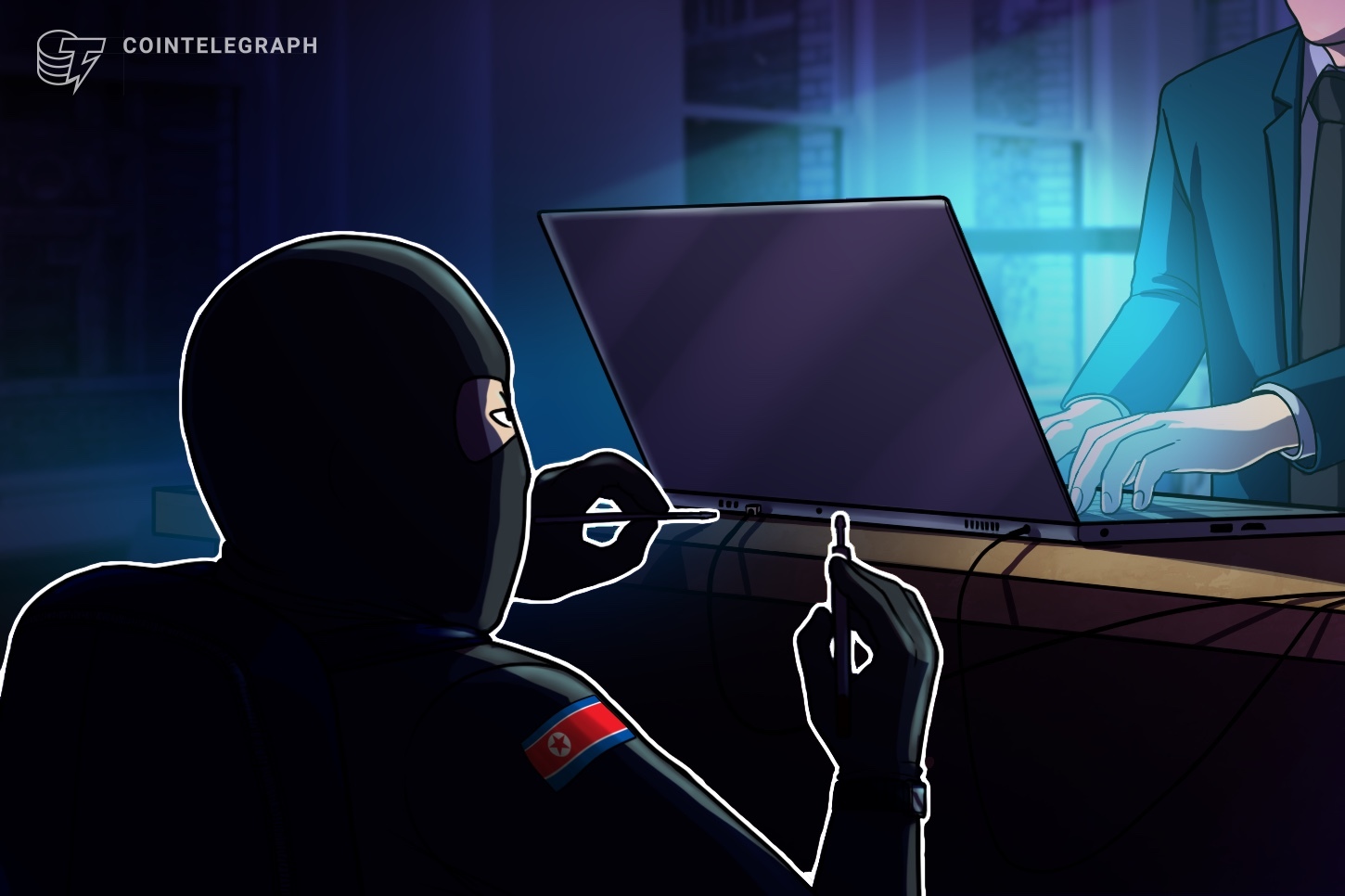
In September 2026, Bitget, a major cryptocurrency exchange, announced a $351.6 million security breach. The CEO, Gracy Chen, said investigators found IP addresses that matched VPN services previously used by a North Korean hacking group. The attackers transferred funds directly from Bitget’s hot and warm wallets, without forging user withdrawal requests or stealing private keys of the cold storage.
Key points from the incident:
- The breach was not an “inside job”; instead, external actors accessed the exchange’s infrastructure.
- Hackers used VPNs linked to a known DPRK (North Korea) group, showing how attribution can rely on network‑level clues.
- Some of the stolen funds were later recovered, highlighting that blockchain forensics can trace illicit transfers, though recovery is never guaranteed.
What this means for you
If you keep your crypto on an exchange, you are trusting the platform’s security practices. A breach can result in total loss of the assets stored in hot wallets, which often represent a significant portion of an exchange’s user balances. Even if an exchange has robust cold‑storage procedures, the portion held online is vulnerable.
Therefore, you should treat exchange balances as a convenience rather than a long‑term store of value. For earnings or trading activity, keeping only the amount you need for the short term on the exchange reduces exposure.
How to evaluate an exchange’s security
Before depositing sizable funds, run through this quick checklist:
- Cold‑storage policy: Does the exchange publish how much of its reserves are kept offline? A high cold‑storage ratio is a good sign.
- Audit reports: Look for third‑party security audits of the platform’s code and infrastructure. Independent audits add credibility.
- Withdrawal safeguards: Multi‑factor authentication (MFA), withdrawal whitelists, and time‑locked withdrawals make unauthorized transfers harder.
- Incident history: Review past hacks or security incidents. Frequent breaches may indicate systemic weaknesses.
- Transparency: Does the exchange provide clear communication during an incident, including steps taken and recovery efforts?
FAQ
Can I fully protect my funds on an exchange?
No single measure guarantees safety. Using strong passwords, enabling MFA, and limiting the amount stored online are essential, but the ultimate protection is moving assets to a personal wallet you control.
What is the difference between a hot wallet and a cold wallet?
A hot wallet is connected to the internet and enables fast transactions, making it convenient but vulnerable. A cold wallet is offline, often a hardware device or paper seed, and is the most secure way to store crypto for the long term.
How do investigators trace stolen crypto?
Because blockchain transactions are public, forensic tools can follow the flow of funds from the exchange’s wallets to other addresses. Law enforcement and blockchain analytics firms use these trails to identify and sometimes recover stolen assets.
Should I keep all my earnings on an exchange?
Only keep enough to cover your immediate trading or earning activities. Transfer the rest to a personal wallet where you control the private keys, reducing exposure to exchange‑level risks.
This article references reporting from cointelegraph.com.