Are you wondering whether a token promoted by a politician is a legitimate investment or just a gimmick? This article explains how government regulations address memecoins tied to public officials, what the rules actually cover, and how you can protect yourself when evaluating such tokens.
What a “memecoin” is and why it matters
A memecoin is a cryptocurrency that gains attention primarily through internet memes, social media hype, or celebrity endorsement rather than technical innovation. Examples include tokens that parody popular culture or leverage a well‑known name to attract buyers. Because the value of a memecoin often hinges on hype, price can swing dramatically, and the token may have little intrinsic utility.
When a public official—someone who holds elected or appointed office—creates or promotes a memecoin, the situation becomes more complex. Public officials have a duty to act in the public interest, and using their office to profit from a speculative asset can create a conflict of interest. Regulations aim to prevent officials from exploiting their position for personal gain and to protect ordinary investors from potentially misleading promotions.
How the law defines and restricts official‑issued memecoins
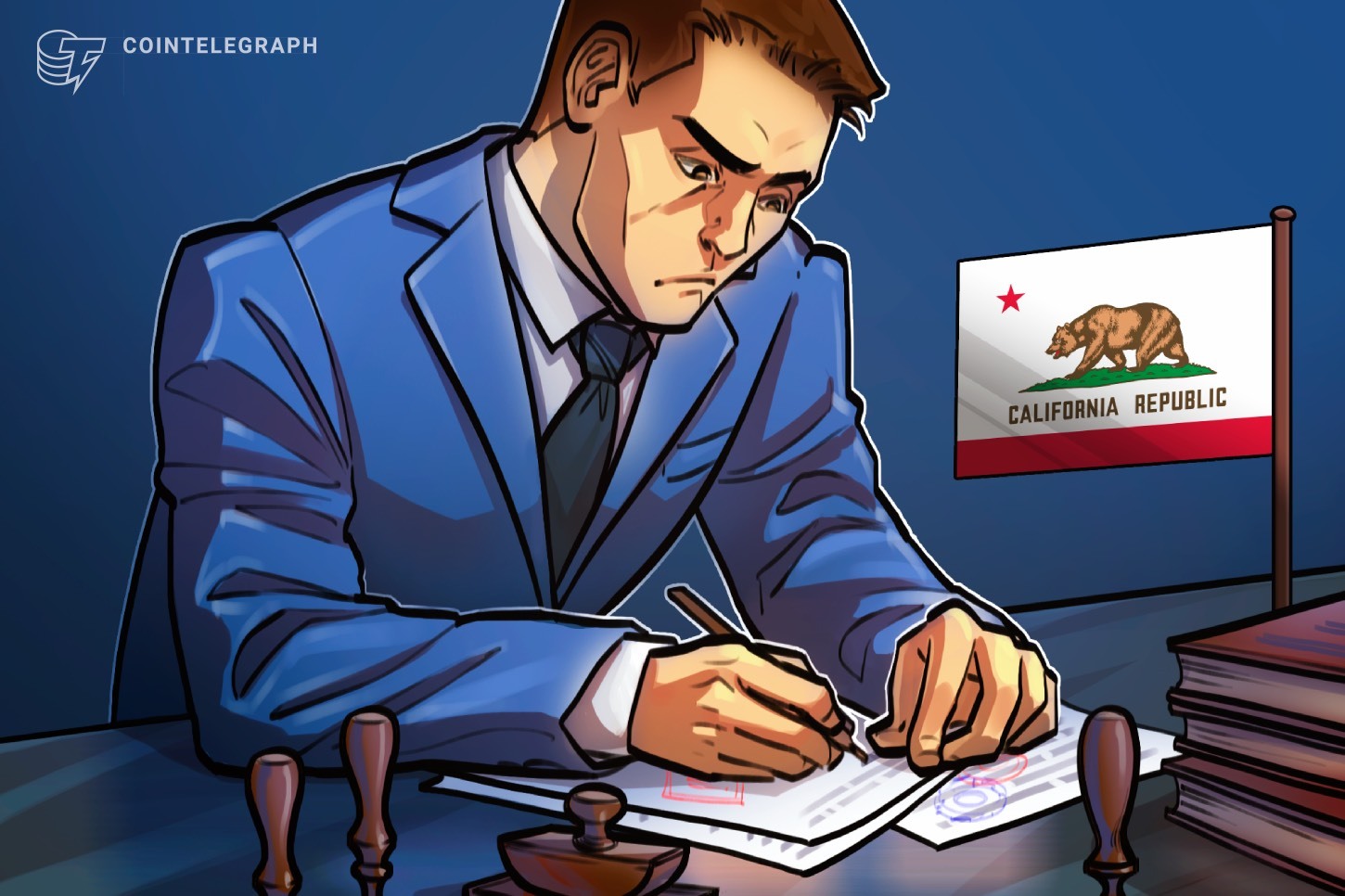
In California, Assembly Bill 2409 (AB 2409) adds a specific prohibition to the state’s Government Code. The bill makes it illegal for any state or local public official to issue a memecoin, or to partner with a private entity to launch one, that is offered to California residents. The restriction applies to tokens issued on or after January 1, 2027. In addition, the law empowers the state attorney general, district attorneys, city attorneys, and county counsel to enforce the ban by filing civil actions.
The legislation does not ban all cryptocurrency activity—only the issuance of memecoins that are directly tied to a public official’s name, office, or endorsement. Existing ethics rules already prevent officials from engaging in employment or business activities that conflict with their duties; AB 2409 simply codifies that rule for the rapidly growing crypto space.
Real‑world illustration: California’s 2026 memecoin ban
In September 2026, Governor Gavin Newsom signed AB 2409 into law after it was introduced by Assembly Member Avelino Valencia in February 2026. The law was motivated by concerns over a 2025 memecoin launched by former President Donald Trump, which Newsom described as “profiting off office.” The bill also coincided with Senate Bill 1208, which broadened California’s anti‑money‑laundering statutes to cover illicit digital‑asset transactions, giving law enforcement broader powers to freeze or seize crypto linked to crimes.
What this means for you as a potential investor
If you see a new token marketed as “the official coin of Senator X” or “Governor Y’s meme token,” the California ban signals a red flag. Even if you live outside California, the publicity around such a token may be driven by the same hype that prompted the law, and the token could be subject to legal challenges that affect its price or availability.
Regulatory scrutiny often leads to increased volatility, sudden delistings from exchanges, or even forced token swaps. For a casual investor looking for steady passive income, a memecoin tied to a public official is generally a high‑risk proposition.
How to evaluate a memecoin before you invest
- Check the issuer’s background. Verify whether the token is officially linked to a public official or merely using a name for marketing.
- Read the token’s whitepaper. A legitimate project will explain its purpose, technology, and distribution model. Vague or missing documentation is a warning sign.
- Look for regulatory compliance. See if the token complies with relevant securities laws and state regulations. Tokens that openly ignore such rules are riskier.
- Assess community and exchange support. Tokens listed on reputable exchanges and with active developer communities are less likely to be pure hype.
- Consider your risk tolerance. Memecoins are inherently speculative; only allocate money you can afford to lose.
FAQ
Can a public official still profit from a crypto project that isn’t a memecoin?
Yes. The California ban specifically targets memecoins tied to officials. Other crypto ventures that meet ethical standards and do not exploit official status may still be permissible, though they remain subject to general conflict‑of‑interest rules.
What happens if an official violates AB 2409?
The state attorney general or local prosecutors can file a civil action to enforce the ban. Penalties may include injunctions, fines, and orders to cease distribution of the token to California residents.
Does this law affect investors outside California?
The law directly restricts offers to California residents. However, the publicity and potential legal challenges can impact the token’s market perception globally, making it riskier for all investors.
Are there similar regulations in other states or countries?
Some jurisdictions are reviewing similar measures, but California is currently one of the few places with a specific ban on official‑issued memecoins. Always check local regulations before investing in any token.
This article references reporting from cointelegraph.com.