Ever wonder why the price of Bitcoin seems to swing wildly and how those swings affect the people who mine it? This article explains the key forces that move Bitcoin’s market value and what those movements mean for miners looking to earn passive income.
What determines Bitcoin’s price?
Bitcoin’s price is set on open markets where buyers and sellers trade the digital coin. Unlike a stock, there is no central company issuing dividends; the price reflects supply and demand dynamics across dozens of exchanges worldwide.
Supply side: The total number of Bitcoins that can ever exist is capped at 21 million. New coins enter the market through mining, a process where powerful computers solve cryptographic puzzles and are rewarded with freshly minted Bitcoin. Because the supply schedule is predictable—roughly 900 new coins are created each day and the reward halves roughly every four years—price changes are driven mainly by demand.
Demand side: Demand is influenced by several factors:
- Investor sentiment: News about regulation, institutional adoption, or macro‑economic events can sway public perception and trigger buying or selling.
- Liquidity: The ease with which large amounts of Bitcoin can be bought or sold without moving the price too much. Higher liquidity usually dampens volatility.
- Alternative assets: When traditional markets (stocks, bonds, commodities) are volatile, some investors turn to Bitcoin as a “digital gold,” boosting demand.
- Technological developments: Upgrades to the Bitcoin network or the launch of related services can attract new users.
Because these factors interact constantly, Bitcoin’s price can change dramatically in a short period.
Real‑world illustration
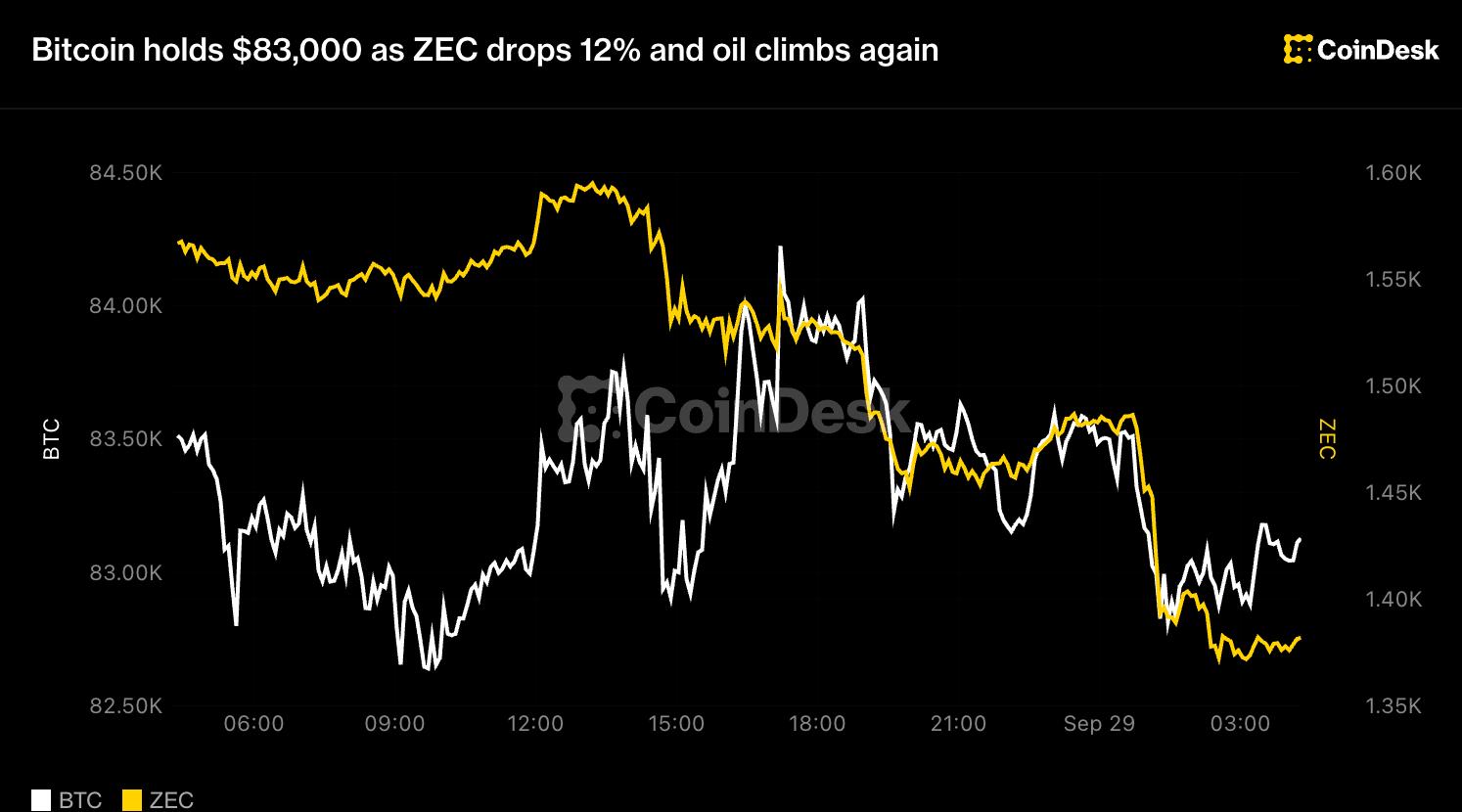
In March 2026, Bitcoin held around $83,000 while the privacy‑focused coin Zcash (ZEC) dropped 12 % and oil prices climbed again. The article highlighted that despite a strong Bitcoin price, broader market sentiment was cooling, leading to an unwind of altcoin rallies. This snapshot shows how a single asset can stay relatively stable even as related markets shift, underscoring the importance of looking beyond price alone.
What the price means for miners
Mining profitability hinges on three core variables: the market price of Bitcoin, the block reward (the number of new coins earned per block), and the cost of running mining hardware, primarily electricity.
When Bitcoin’s price rises, the revenue per block increases, often turning marginal operations into profitable ones. Conversely, a price drop can push miners below the break‑even point, especially those with high energy costs.
Because the block reward halves roughly every four years (the most recent halving occurred in 2024), miners increasingly rely on transaction fees and efficient hardware to stay profitable. Therefore, price fluctuations have a direct impact on the cash flow of mining farms and on the returns that cloud‑mining or pool participants can expect.
How to assess mining opportunities
Before committing capital to mining—whether by buying hardware, joining a mining pool, or using a cloud‑mining service—consider the following checks:
- Break‑even price: Calculate the Bitcoin price needed to cover your electricity and hardware depreciation. Many online calculators let you input hash rate, power consumption, and electricity cost.
- Energy cost: Locate regions with low, renewable electricity rates. Green energy not only reduces expenses but also aligns with sustainability trends.
- Pool fees and payout structure: Mining pools charge a percentage of rewards and may use different payout methods (PPS, PPLNS, etc.). Choose a pool with transparent fees and a payout model that matches your risk tolerance.
- Hardware efficiency: Look for ASICs (application‑specific integrated circuits) with the highest hash‑per‑watt ratio. More efficient machines generate more Bitcoin for the same electricity bill.
- Market outlook: While no one can predict price movements, monitoring macro trends—such as institutional adoption, regulatory news, and competing asset performance—helps gauge potential price direction.
FAQ
Is a higher Bitcoin price always better for miners?
Higher prices increase revenue, but profitability also depends on electricity costs and hardware efficiency. A miner in a high‑cost region may still lose money even when Bitcoin is near its all‑time high.
How often does the block reward change?
The block reward halves roughly every 210,000 blocks, or about every four years. The most recent halving in 2024 reduced the reward from 6.25 BTC to 3.125 BTC per block.
Can I earn Bitcoin without owning mining hardware?
Yes. Cloud‑mining services and mining pools let you rent hash power or share rewards without buying equipment. However, you should evaluate the provider’s reputation, fees, and contract terms before investing.
Do transaction fees matter for miners?
As block rewards shrink, transaction fees become a larger share of miner revenue. During periods of high network activity, fees can significantly boost earnings.
This article references reporting from coindesk.com.