Are you wondering whether mining Bitcoin can still be a viable source of passive income? This article breaks down the factors that determine mining profitability, how they interact, and what you need to consider before committing your resources.
The plain explanation
Bitcoin mining is the process by which new bitcoins are created and transactions are confirmed on the blockchain. Miners run specialized computers that solve a cryptographic puzzle called Proof‑of‑Work (PoW). The first miner to find a solution adds a new block of transactions to the chain and receives a block reward – currently 6.25 BTC – plus any transaction fees included in that block.
Profitability is simply the difference between the revenue a miner earns and the costs incurred to generate that revenue. The main revenue components are:
- Block reward: a fixed number of newly minted bitcoins per block.
- Transaction fees: optional payments users attach to speed up their transactions.
- Bitcoin price: the market value of the BTC earned.
The primary cost components are:
- Hardware expense: the purchase price of mining rigs (ASICs) and their expected lifespan.
- Electricity: the energy consumed by the hardware, usually measured in kilowatt‑hours (kWh).
- Operational overhead: cooling, maintenance, and any fees charged by mining pools or cloud services.
Because the block reward halves roughly every four years (the “halving”), the long‑term revenue from new coins declines over time. Miners therefore rely increasingly on transaction fees and on a higher Bitcoin price to stay profitable.
What influences each factor?
Bitcoin price. Since rewards are paid in BTC, a higher market price directly boosts revenue in fiat terms. Conversely, a price drop can turn a previously profitable operation into a loss.
Network difficulty. The Bitcoin protocol automatically adjusts the difficulty of the PoW puzzle roughly every two weeks to keep the average block time at ten minutes. When many miners join the network, difficulty rises, making it harder for any single miner to win a block. Higher difficulty reduces the expected share of rewards for a given amount of hash power.
Electricity cost. Energy is the biggest recurring expense. Miners in regions with cheap, renewable electricity can sustain profitability longer than those paying higher rates.
Hardware efficiency. Modern ASICs deliver more hash power per watt of electricity. Upgrading to newer, more efficient models can improve margins, but the upfront capital outlay must be weighed against the expected return.
Transaction fee market. When the blockchain is congested, users attach higher fees to prioritize their transactions. Periods of high demand can raise the average fee per block, adding a meaningful revenue stream.
A real example
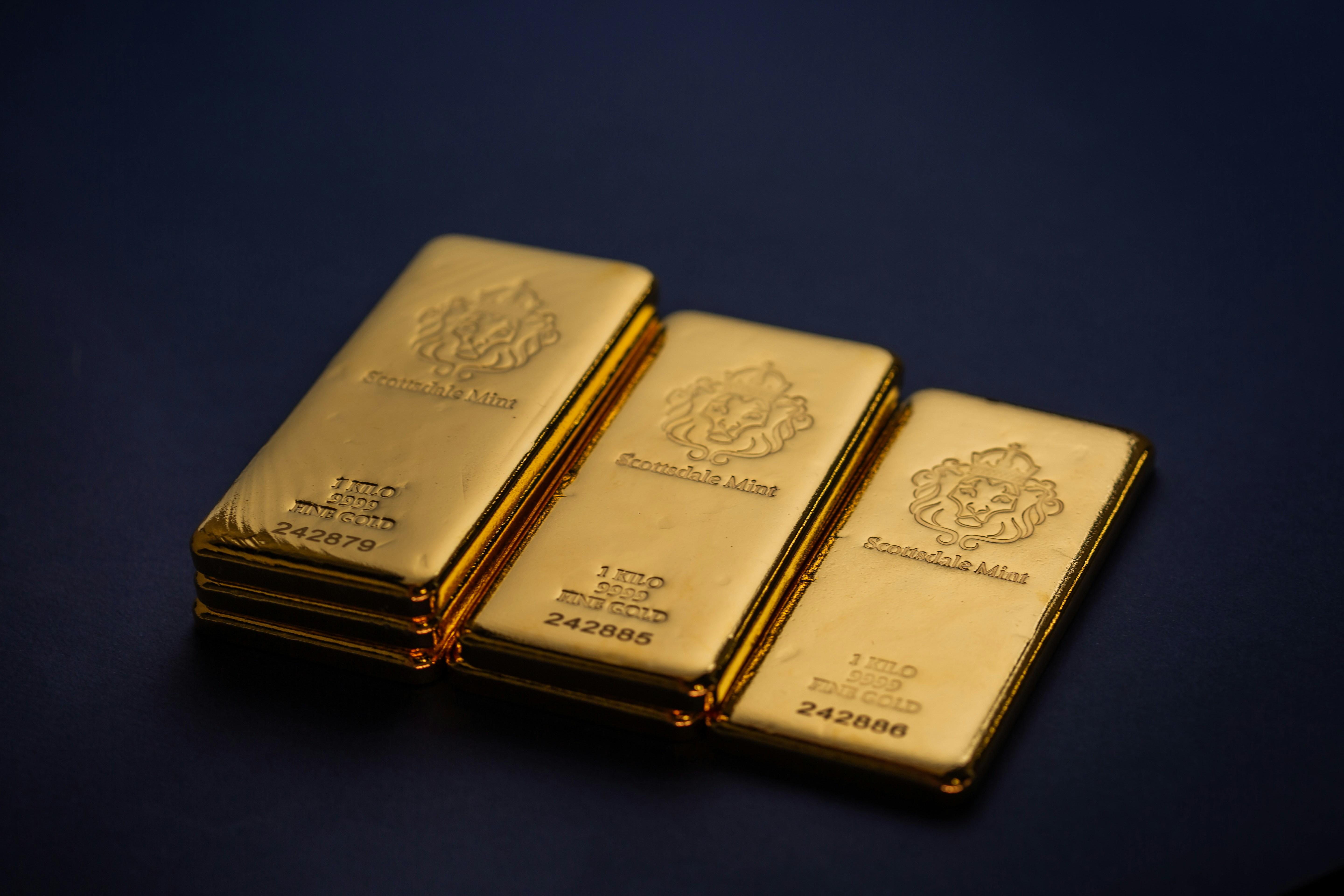
In September 2026, Bitcoin surged past $100,000, briefly overtaking gold as a store of value. This price spike illustrated how a sudden increase in market price can dramatically improve mining revenue. Even miners operating with older equipment saw a temporary boost in profitability because the value of each 6.25 BTC block reward rose sharply.
What it means for you
If you are looking to earn online through Bitcoin mining, the price surge shows that profitability can swing quickly. However, relying on price spikes alone is risky; the market is volatile and can reverse direction just as fast. Sustainable mining income typically comes from a combination of low electricity costs, efficient hardware, and participation in a mining pool that smooths out the variance of block rewards.
For small miners, cloud‑based services or shared mining pools often provide a lower entry barrier. These platforms let you rent hash power without buying equipment, turning mining into a more predictable, albeit fee‑laden, source of passive income.
What to check / how to judge
- Electricity rate. Calculate the cost per kilowatt‑hour in your location. Aim for rates below $0.10 /kWh for a reasonable chance of profit with current hardware.
- Hardware efficiency. Compare the hash‑per‑watt metric (TH/s per watt) of available ASIC models. Newer generations typically offer a 20‑30 % improvement.
- Break‑even price. Use an online mining calculator to input your hardware specs, electricity cost, and pool fees. The tool will show the Bitcoin price needed to break even.
- Pool reputation. Choose pools with transparent fee structures (usually 1‑2 % of rewards) and a solid track record of payouts.
- Regulatory environment. Verify that mining is permitted in your jurisdiction and that you understand any tax obligations.
FAQ
Will a higher Bitcoin price always make mining profitable?
Higher prices increase revenue, but they do not guarantee profit. If network difficulty rises faster than the price, or if electricity costs are high, miners can still lose money.
How often does the mining difficulty change?
The protocol adjusts difficulty every 2,016 blocks, roughly every two weeks, to keep block times near ten minutes.
Can I mine profitably with a laptop or regular PC?
No. Bitcoin’s PoW algorithm is designed for ASIC hardware. Using a laptop would consume far more electricity than it could ever generate in rewards.
Is cloud mining safer than buying my own hardware?
Cloud mining removes the need for upfront hardware purchases and maintenance, but it introduces counterparty risk. Choose reputable providers, read the terms carefully, and be aware of fees that can erode earnings.
This article references reporting from coindesk.com.