Are you curious about how you can gain exposure to a cryptocurrency without buying the token yourself? This article explains what a spot crypto exchange‑traded fund (ETF) is, how it operates, and what you should consider before adding one to your portfolio.
The plain explanation
An exchange‑traded fund (ETF) is an investment vehicle that holds a basket of assets and trades on a traditional stock exchange, just like a regular stock. A spot crypto ETF holds the actual cryptocurrency, not futures contracts or derivatives that bet on its price. When you buy a share of the ETF, you own a proportional claim on the underlying tokens held by the fund.
Because the fund owns the tokens directly, the price of each ETF share tracks the real‑time market price of the cryptocurrency (the “spot” price). The fund manager takes care of custody, security, and compliance, so investors avoid the technical steps of setting up a wallet, managing private keys, or dealing with exchanges that may have limited regulatory oversight.
Many crypto ETFs also stake a portion of the tokens they hold. Staking is the process of locking a cryptocurrency in a network to help validate transactions and secure the blockchain. In return, the network rewards the staker with additional tokens. For an ETF, staking can generate extra income that is passed on to shareholders, often reflected as a higher yield compared to a plain holding of the token.
Management fees are charged as a percentage of the fund’s assets each year. These fees cover custody, administration, and any staking operations. The fee is deducted from the fund’s net asset value (NAV), which means the value of each share will grow slightly slower than the underlying token’s price appreciation.
A real example
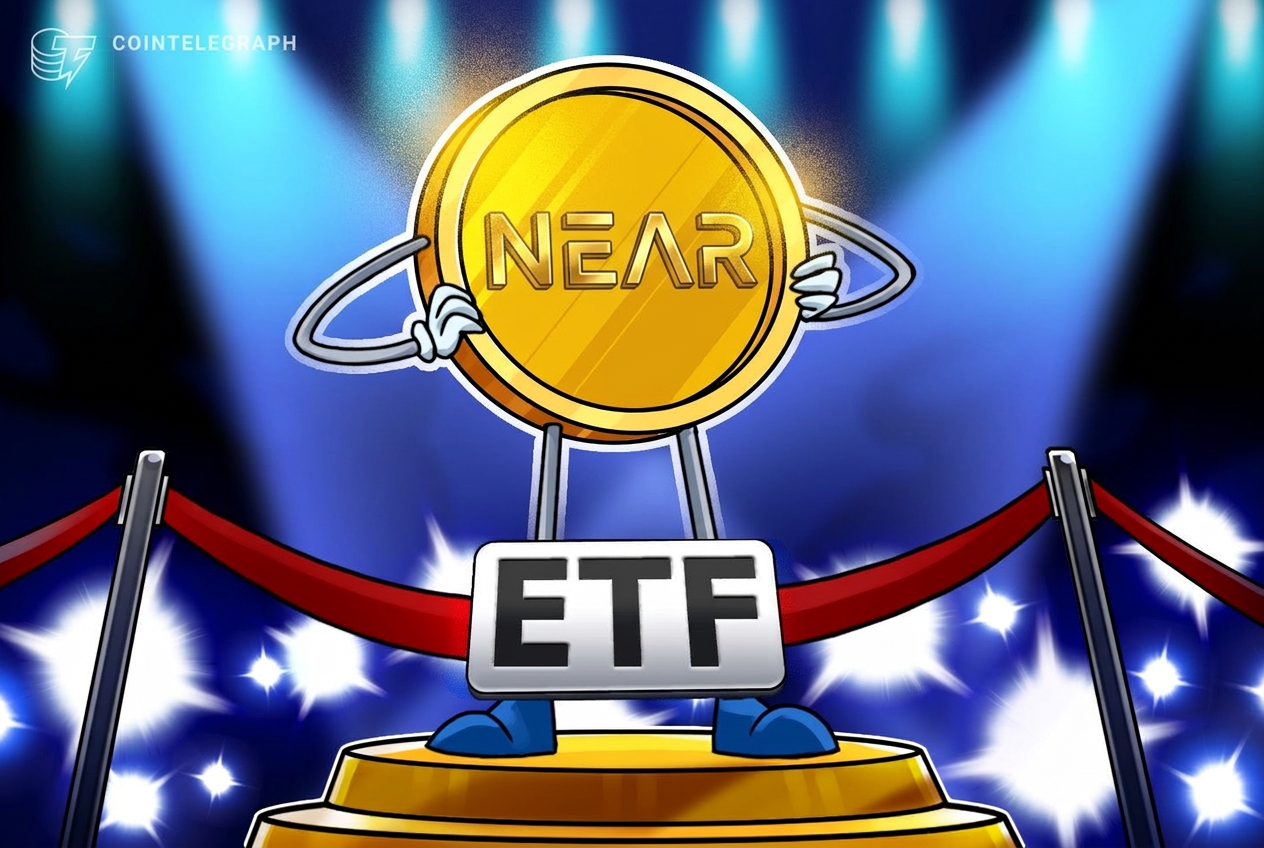
In September 2026, crypto asset manager Bitwise launched the first U.S. spot ETF that tracks the NEAR token, trading under the ticker NRR on NYSE Arca. The fund holds NEAR directly and plans to stake a significant portion of its holdings. Bitwise charges a 0.75% annual management fee. The launch came as NEAR’s price surged more than 160% over the previous month and as activity on its cross‑chain protocol, NEAR Intents, grew sharply.
What it means for you
For a beginner looking to earn passive income from crypto, a spot ETF offers a low‑friction way to participate. You can buy shares through a regular brokerage account, benefit from professional custody, and potentially receive staking rewards without managing a validator yourself. Because the ETF is listed on a major exchange, you also gain the liquidity and price transparency of traditional stocks.
However, the ETF’s performance is still tied to the underlying token’s volatility. If NEAR’s price falls, the value of your shares will decline accordingly. Additionally, the management fee and any staking‑related costs will eat into your returns, so the net gain may be lower than holding the token directly, especially if you can stake it yourself at a lower cost.
What to check / how to judge
- Custody and security: Verify that the fund uses reputable custodians and follows industry best practices for protecting private keys.
- Staking strategy: Look for details on how much of the fund’s holdings are staked, the expected annual yield, and any risks associated with the staking protocol.
- Fees: Compare the management fee with other crypto ETFs and with the cost of self‑custody and staking.
- Regulatory status: Ensure the ETF is registered with the appropriate securities regulator and listed on a regulated exchange.
- Liquidity: Check the average daily trading volume of the ETF shares to confirm you can enter and exit positions without large price slippage.
FAQ
Do I still need a crypto wallet to own a spot ETF?
No. The ETF holds the tokens in institutional custody, so you only need a brokerage account that can trade the ETF’s ticker symbol.
Can I earn staking rewards from a crypto ETF?
Yes, many spot ETFs stake a portion of their holdings. The rewards are usually added to the fund’s assets, which can increase the share price or be distributed as a dividend, depending on the fund’s policy.
Is a spot crypto ETF safer than buying the token on an exchange?
It reduces some risks, such as losing private keys or dealing with unregulated exchanges, but it still carries market risk and the risk that the fund’s manager could make poor staking or custody decisions.
How does the management fee affect my returns?
The fee is taken out of the fund’s assets each year, so it reduces the net growth of your investment. A higher fee can significantly impact long‑term returns, especially in a low‑yield environment.
This article references reporting from cointelegraph.com.