Do you want to own Bitcoin but worry that converting your local money into U.S. dollars could eat into your returns? This article explains how currency risk works when you purchase crypto and shows you practical ways to avoid it.
Understanding currency risk in crypto purchases
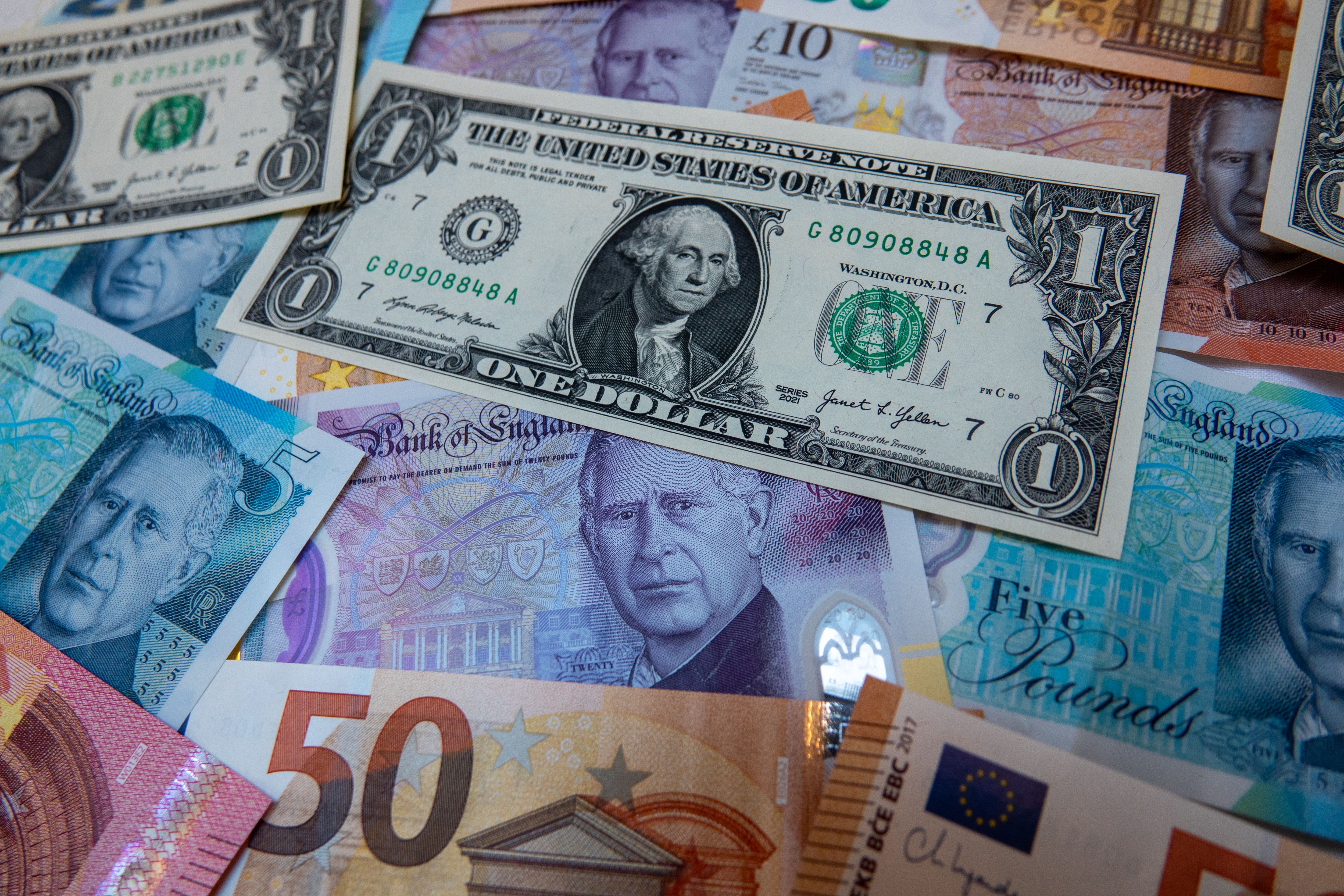
When you buy Bitcoin, you usually exchange your local fiat currency (like euros, pounds or yen) for a cryptocurrency. Most exchanges list Bitcoin against the U.S. dollar (BTC/USD), so your local money is first converted to dollars before the trade is executed. Currency risk is the chance that the exchange rate between your local currency and the dollar moves unfavorably between the moment you decide to buy and the moment the transaction settles.
For example, if you hold euros and the euro weakens against the dollar after you convert, you end up paying more euros for the same amount of Bitcoin. The risk is especially noticeable in volatile macro‑economic periods, when central banks change interest rates or geopolitical events cause sudden swings in exchange rates.
Two key concepts help you see where the risk lies:
- Spot rate: The current price at which one currency can be exchanged for another. This is the rate you see on a forex platform or a bank’s website.
- Cross‑pair trading: Buying a crypto asset directly against a non‑USD fiat pair, such as BTC/EUR or BTC/GBP. This removes the intermediate step of converting to dollars.
When a platform offers a direct BTC/EUR market, the price you pay reflects the euro‑denominated value of Bitcoin, and any movement in the EUR/USD rate does not affect your purchase price. That is the simplest way to eliminate currency risk.
Real‑world illustration
In March 2026, several European brokerage platforms announced that investors could now purchase Bitcoin directly with euros, bypassing the need to hold U.S. dollars. The change meant that a German investor could place a BTC/EUR order on the platform, and the trade would settle in euros without any hidden conversion step. This move directly addressed the concern that currency fluctuations could erode crypto earnings for European users.
What it means for you
If you are based in Europe (or any region where the local currency is not the dollar), you have three practical options to avoid currency risk:
- Use an exchange that lists BTC against your local fiat. Many major exchanges now support BTC/EUR, BTC/GBP, BTC/CHF, etc. When you trade on these markets, the quoted price already incorporates the current EUR/USD rate, so you pay exactly the amount shown in euros.
- Buy a stablecoin pegged to your local currency. Some platforms issue stablecoins that are backed 1:1 by euros or pounds (e.g., EURS, GBPX). You can first purchase the stablecoin with your local bank transfer, then trade the stablecoin for Bitcoin on a secondary market. Because the stablecoin’s value is locked to the local currency, you are insulated from USD swings.
- Utilize a crypto‑friendly bank or payment provider. Certain banks now offer direct crypto purchase services that settle in the account’s base currency. The bank handles the conversion internally at the spot rate, but you see a single price in your local currency, eliminating a separate USD conversion step.
How to evaluate a platform for low‑currency‑risk purchases
- Check the available fiat pairs. Look for BTC/EUR, BTC/GBP, etc. If only BTC/USD is listed, you will incur a conversion.
- Compare fees. Direct fiat‑to‑BTC trades often have higher trading fees than BTC/USD pairs, but the cost may be offset by avoiding the spread on the currency conversion.
- Confirm regulatory compliance. Platforms that accept local bank transfers and offer fiat‑denominated markets are typically licensed in the region, which adds a layer of consumer protection.
- Assess liquidity. A deep order book on the local pair ensures you can buy the amount you want without large price slippage.
FAQ
Will buying Bitcoin with a local fiat pair always be cheaper than converting to USD first?
Not necessarily. Direct fiat pairs can have higher trading fees, but they eliminate the separate FX spread. You need to compare the total cost (trading fee + FX spread) for both methods to decide which is cheaper for your size of purchase.
Are euro‑pegged stablecoins safe to use for buying Bitcoin?
Euro‑pegged stablecoins are generally safe if they are fully collateralized and audited by reputable firms. However, they still carry smart‑contract risk, so only use well‑known tokens and keep only the amount you need for the trade.
What if my bank does not support direct crypto purchases?
You can still use a crypto exchange that accepts SEPA transfers (for euros) or other local payment methods. The exchange will credit your account in euros, and you can trade directly on the BTC/EUR market.
Does avoiding USD exposure protect me from all market risk?
No. While you eliminate currency risk, you still face Bitcoin’s price volatility. Your investment can still go up or down in value relative to euros, pounds, or any other fiat.
This article references reporting from coindesk.com.