Do you wonder how traditional finance is moving onto blockchain and what that means for everyday investors? This article explains the basics of tokenized financial instruments, how they differ from traditional assets, and what you should consider before getting involved.
The plain explanation
A tokenized financial instrument is a digital representation of a traditional asset—such as a stock, bond, or derivative—created on a blockchain. The token acts as a certificate of ownership, but instead of being recorded on a centralized ledger, it lives on a decentralized ledger that can be accessed and transferred globally.
Key terms:
- Token: A unit of data on a blockchain that can represent value, rights, or information.
- Smart contract: Self‑executing code stored on the blockchain that enforces the rules of the token, such as who can transfer it and under what conditions.
- Custody: The process of holding the underlying asset safely. In tokenized form, custody can be on‑chain (the token itself) or off‑chain (a trusted third party).
- Liquidity: The ease with which an asset can be bought or sold without affecting its price. Tokenization can improve liquidity by enabling fractional ownership and 24/7 trading.
When an asset is tokenized, a smart contract locks the original asset (or a claim on it) in a custodial arrangement. The contract then issues a corresponding number of tokens. Each token represents a share of the underlying asset, and holders can trade the tokens on compatible platforms just like any other cryptocurrency.
Because the blockchain provides transparent, immutable records, tokenized instruments can reduce settlement times from days to minutes, lower counter‑party risk, and open up new markets to participants who previously could not meet high minimum investment thresholds.
A real example
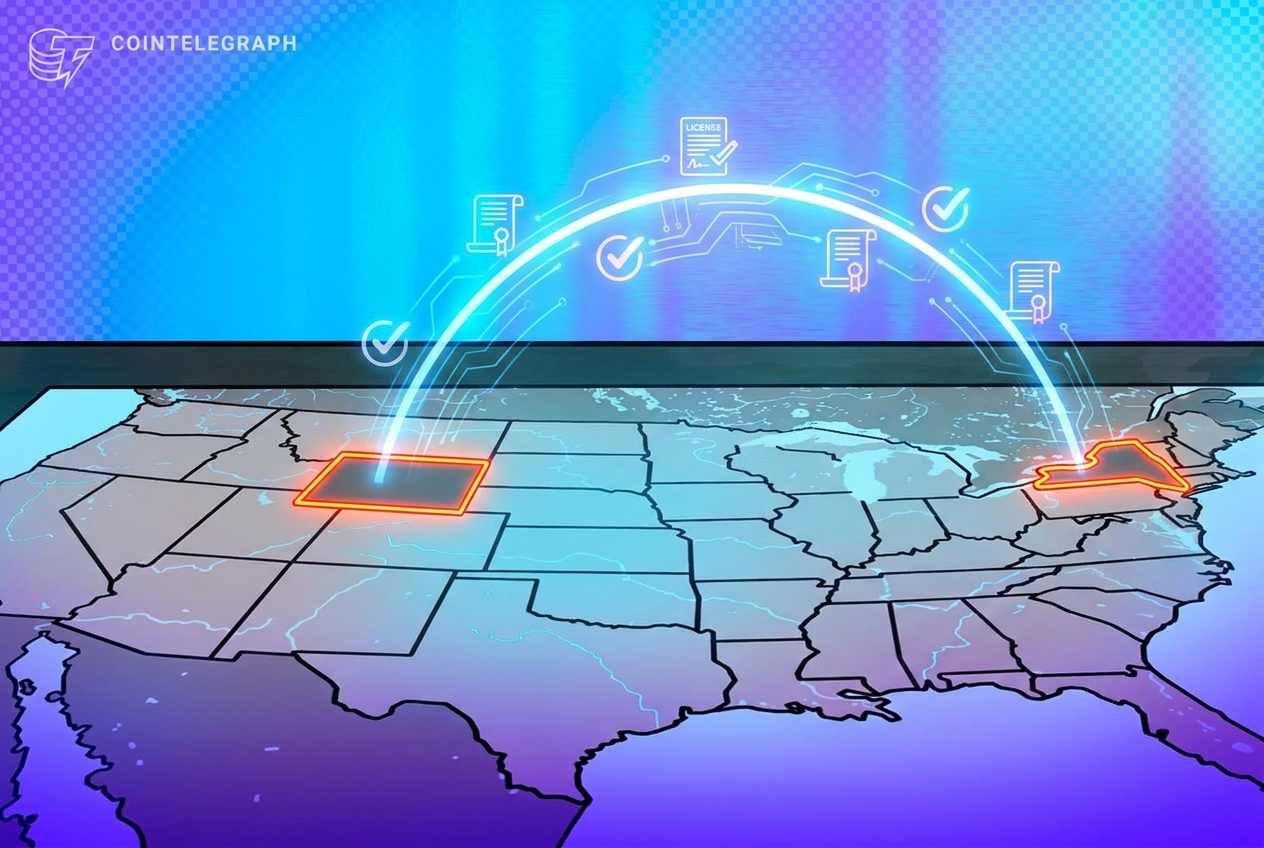
In March 2026, Goldman Sachs routed a roughly $100 billion Treasury fund to digital‑asset trading firms through Lynq, a settlement network used by crypto companies. The fund was not tokenized, but the move demonstrated how large traditional finance players are linking existing cash flows to blockchain‑based infrastructure. Around the same time, Cboe Global Markets and S&P Dow Jones Indices extended a licensing agreement that leaves room for tokenized options—derivative contracts that could be issued as blockchain tokens.
These developments illustrate two trends: (1) established financial institutions are using blockchain settlement layers to move money faster, and (2) they are exploring the creation of tokenized derivatives, which would combine the familiar economics of options with the speed and programmability of smart contracts.
What it means for you
If you are looking to earn passive income or diversify your portfolio, tokenized instruments can offer new avenues:
- Fractional ownership lets you buy a small slice of an expensive asset, such as a high‑value bond or a piece of real estate, without needing the full capital.
- 24/7 markets mean you can trade outside traditional exchange hours, potentially reacting faster to market events.
- Programmable payouts enable automatic distribution of interest, dividends, or option premiums directly to your wallet.
However, tokenized products are still subject to the same market risks as their traditional counterparts—price volatility, credit risk, and regulatory uncertainty. In addition, you must consider blockchain‑specific risks such as smart‑contract bugs, network congestion, and the reliability of the custodian holding the underlying asset.
What to check / how to judge
Before you invest in a tokenized instrument, run through this short checklist:
- Regulatory compliance: Verify that the token complies with the jurisdiction’s securities laws and that the issuer holds the necessary licenses.
- Custody arrangement: Understand who holds the underlying asset, how it is insured, and whether the custodian can be audited.
- Smart‑contract audit: Look for independent security audits of the contract code to reduce the risk of exploits.
- Liquidity sources: Check if the token is listed on reputable secondary markets and whether market makers provide depth.
- Fee structure: Be aware of on‑chain transaction fees, custody fees, and any platform commissions that could affect returns.
FAQ
Are tokenized assets the same as the original securities?
They represent the same economic rights, but the legal framework can differ. The token’s value depends on the enforceability of the underlying claim and the credibility of the custodian.
Can I hold tokenized assets in a regular crypto wallet?
Yes, if the token follows a standard like ERC‑20 or ERC‑721. However, you may need to use a wallet that supports the specific platform and ensure you keep the private keys secure.
Do tokenized options settle automatically?
When properly coded, a smart contract can execute option payouts automatically at expiry, eliminating manual settlement. This assumes the contract has been correctly audited and the underlying asset is available.
What are the tax implications?
Tax treatment varies by country, but tokenized assets are generally treated like the underlying securities. You may need to report capital gains, interest, or dividend income, and keep records of acquisition and disposal dates.
This article references reporting from coindesk.com.