Do you wonder how digital tokens can mimic the rules and safeguards of traditional securities? This article explains the mechanics behind conditional transactions and built‑in compliance features that let issuers manage tokenized assets safely and efficiently.
What tokenized assets and compliance tools actually are
Tokenized assets are digital representations of real‑world items—such as stocks, bonds, real‑estate shares, or commodities—issued on a blockchain. Each token carries a claim to the underlying asset, and because the token lives on a public ledger, ownership can be transferred instantly and transparently.
However, regulators require that many securities meet specific conditions before they can be bought or sold. Traditional safeguards include Know‑Your‑Customer (KYC) checks, accreditation verification, and sanctions screening. When a token is moved, the blockchain itself does not automatically enforce these rules; they must be built into the token’s smart contract or handled by the platform that hosts the token.
A smart contract is a self‑executing piece of code that lives on the blockchain. It can be programmed to perform actions—like transferring a token—only when certain criteria are satisfied. By embedding compliance logic directly into the contract, issuers can ensure that every transfer respects legal requirements without needing a separate off‑chain approval process.
Conditional transactions take this a step further. Instead of sending a transaction that executes immediately, a user can submit a transaction that remains dormant until predefined on‑chain conditions are met. These conditions might involve price thresholds, time windows, or the state of another contract. The network holds the transaction in a pending pool, evaluates the conditions each block, and includes the transaction only when the criteria become true.
Real‑world illustration: Base’s Cobalt upgrade
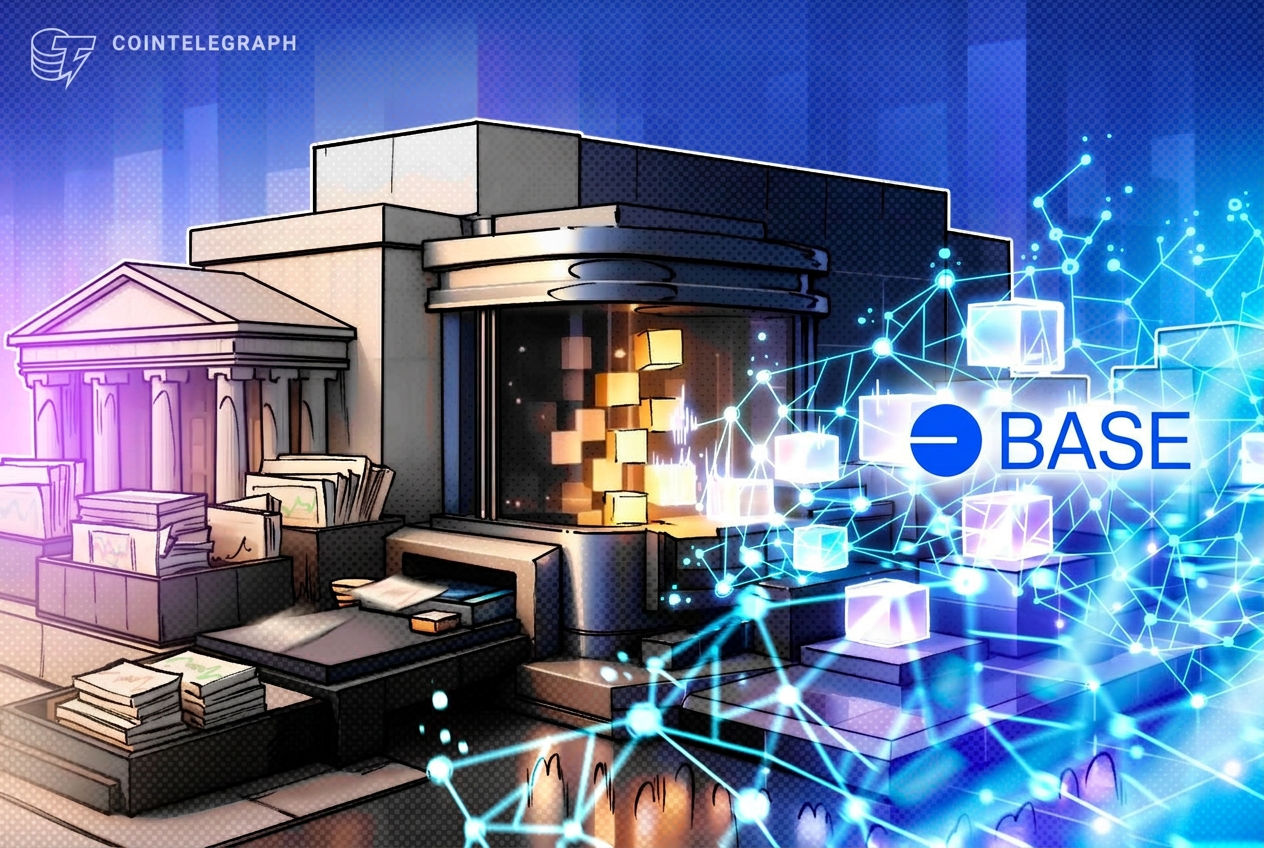
In September 2026, the Ethereum layer‑2 network Base activated its “Cobalt” upgrade. The upgrade added two key capabilities for tokenized assets:
- Issuers can now attach multiple compliance checks—such as identity verification, accreditation status, and sanctions screening—to a single token. This means a token representing a share of a company can only be transferred to wallets that have passed all required checks.
- Traders can submit Validity Transactions, which stay private and are only eligible for inclusion when specific on‑chain conditions are satisfied. For example, a swap could be set to execute only if a token’s price reaches $150 before a certain block number.
The upgrade also introduced administrative tools like scheduled stock splits and optional forced token transfers that an authorized administrator can trigger, with a public note attached for transparency. These features give issuers the same operational flexibility they have with traditional securities, now on a blockchain.
What this means for you as a token investor or issuer
If you are looking to earn passive income by holding tokenized securities, conditional transactions can protect you from unwanted price slippage or market volatility. You can set a price‑triggered swap that only executes when the market meets your target, reducing the need to monitor the market constantly.
For issuers, built‑in compliance tools simplify the process of launching a token that meets regulatory standards. Instead of building a custom contract for each new security, you can use a standard token framework that already supports KYC, accreditation, and sanctions checks. This lowers development costs and speeds up time‑to‑market.
How to evaluate platforms offering these features
- Compliance transparency: Check whether the platform publicly documents the compliance checks it supports and who controls them.
- Conditional transaction support: Verify that the network allows you to submit pending transactions with clear rules for when they become valid.
- Administrative controls: Ensure any forced transfer or corporate‑action feature is optional and requires explicit permission from the token issuer.
- Security audits: Look for third‑party audits of the smart‑contract standards used for token issuance and conditional logic.
- Community and developer activity: Active development signals that the platform will keep improving tools and fixing bugs.
FAQ
Can I use conditional transactions on any blockchain? Not all blockchains support native pending‑transaction pools. Layer‑2 solutions and newer smart‑contract standards are more likely to offer this feature.
Do compliance checks slow down token transfers? The checks are performed by the smart contract before the transfer is finalized. This adds a small amount of computational overhead, but the delay is usually only a few seconds.
What happens if a forced transfer is enabled? Only authorized administrators designated by the token issuer can trigger it, and the transfer is recorded on‑chain with a public note. The issuer must disclose this capability to token holders beforehand.
Is my privacy protected when I submit a conditional transaction? In the model introduced by Base’s Cobalt upgrade, the transaction remains private until the conditions are met and the transaction is included in a block, meaning it is not visible to the public beforehand.
This article references reporting from cointelegraph.com.