Are you wondering how some crypto projects can keep their token prices rising while promising steady rewards? This article explains the mechanics behind token buyback programs, why they matter for investors, and how you can evaluate projects that use them.
What a token buyback actually is
A token buyback is a process where a protocol uses part of its revenue to purchase its own native token on the open market. The bought‑back tokens are then usually burned (removed from circulation) or held in a treasury. By reducing the supply of the token, the protocol aims to increase the token’s scarcity, which can support or boost its price.
Buybacks differ from traditional dividends because the reward is not paid directly to token holders. Instead, holders benefit indirectly through potential price appreciation and, in some cases, through higher yields on the protocol’s other products.
Key terms to know:
- Burn: Permanently destroying tokens so they can never be used again, lowering total supply.
- Net revenue take rate: The percentage of a protocol’s earnings that is allocated to a specific purpose, such as buybacks.
- Yield: The annual return generated by a protocol’s activities, expressed as a percentage of the amount invested.
How buybacks are funded
Most protocols generate revenue from various sources: trading fees, lending interest, staking rewards, or more complex strategies like basis trades (holding a spot asset while shorting its perpetual futures). After covering operating costs, a portion of the net revenue is earmarked for token buybacks.
The size of the buyback program is often linked to milestones, such as the total supply of a stablecoin the protocol issues. When the stablecoin reaches a predefined supply level, the protocol may increase the percentage of revenue devoted to buybacks.
Real‑world example
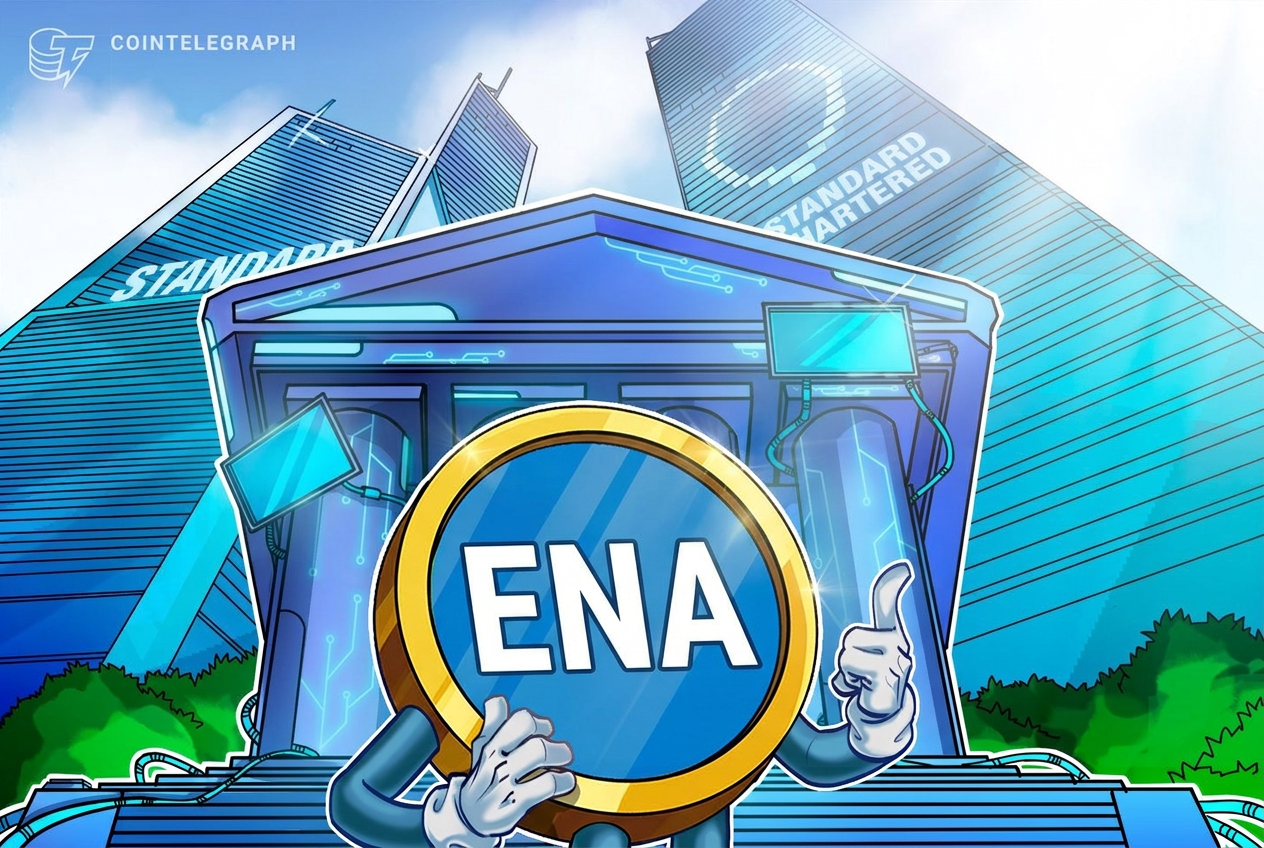
In a September 2026 research report, Standard Chartered projected that Ethena’s USDe stablecoin could grow eightfold to $40 billion in supply by the end of 2028. The bank noted that Ethena’s governance approved a fee switch directing 95 % of net revenue toward ENA token buybacks once USDe hits certain supply thresholds. At a $25 billion USDe supply level, Ethena estimated $375 million in annual ENA buybacks, assuming a 6 % gross protocol yield and a 25 % net revenue take rate. This illustrates how a growing stablecoin can fund substantial buyback activity.
What this means for you as a crypto earner
If you hold a token that is regularly bought back, you are effectively sharing in the protocol’s profits. As the token becomes scarcer, its market price may rise, increasing the value of your holdings. Additionally, many projects that run buybacks also offer other earning opportunities, such as staking or liquidity provision, which can provide a steady passive income stream.
However, buybacks are not a guarantee of price growth. The impact depends on market demand, the size of the buyback relative to the token’s market cap, and broader crypto market conditions. Over‑aggressive buybacks can also strain a protocol’s finances if revenue falls.
What to check before trusting a buyback model
- Revenue sources: Understand how the protocol makes money. Diverse, sustainable sources (e.g., lending, real‑world asset yields) are more reliable than a single, volatile stream.
- Buyback allocation: Look for transparent governance that defines what percentage of net revenue goes to buybacks and under what conditions.
- Supply milestones: Verify that the buyback schedule is tied to clear, measurable milestones rather than arbitrary dates.
- Buyback impact: Compare the annual buyback amount to the token’s circulating market cap. A buyback that equals 3‑4 % of market cap is common; much higher rates may be unsustainable.
- Token economics: Check whether bought‑back tokens are burned or held. Burning reduces supply directly, while holding can be used for future incentives.
FAQ
Why don’t all projects use token buybacks?
Buybacks require consistent revenue. Projects without reliable income streams would have to dip into reserves, which could jeopardize their long‑term viability.
Can a buyback program cause the token price to drop?
If the market perceives the buyback as unsustainable or if revenue falls sharply, investors may lose confidence, leading to price declines despite the buyback activity.
Do I need to hold the token to benefit from a buyback?
Yes. Only token holders directly benefit from the reduced supply and any resulting price appreciation. Some protocols also distribute a portion of buyback proceeds as dividends, but that is less common.
How often are buybacks usually executed?
Frequency varies. Some protocols buy back tokens daily, others quarterly or when a supply milestone is reached. The schedule should be outlined in the project’s governance documents.
This article references reporting from cointelegraph.com.