Are you wondering why Bitcoin’s price sometimes moves in tandem with traditional financial indicators? This article explains how interest rates affect Bitcoin’s market dynamics and what that means for anyone looking to earn crypto through mining or other passive‑income methods.
The basics: interest rates and Bitcoin
Interest rates are the cost of borrowing money, set by central banks such as the U.S. Federal Reserve. The most watched benchmark in the United States is the 10‑year Treasury yield, which reflects the return investors expect from government bonds with a ten‑year maturity. When this yield rises, it signals tighter monetary policy and higher borrowing costs across the economy.
Bitcoin, while not tied to any government, is still influenced by the same macro‑economic environment. Higher yields make low‑risk assets like bonds more attractive compared to riskier assets such as cryptocurrencies. Conversely, when yields fall, investors often shift capital toward higher‑return alternatives, including Bitcoin.
Two key mechanisms connect interest rates to Bitcoin:
- Opportunity cost of capital: If you can earn a 5 % return on a Treasury bond, you need Bitcoin to offer a comparable or higher expected return to justify the added risk.
- Liquidity and risk appetite: Tight monetary policy can reduce overall market liquidity, leading to lower demand for speculative assets.
Real‑world illustration
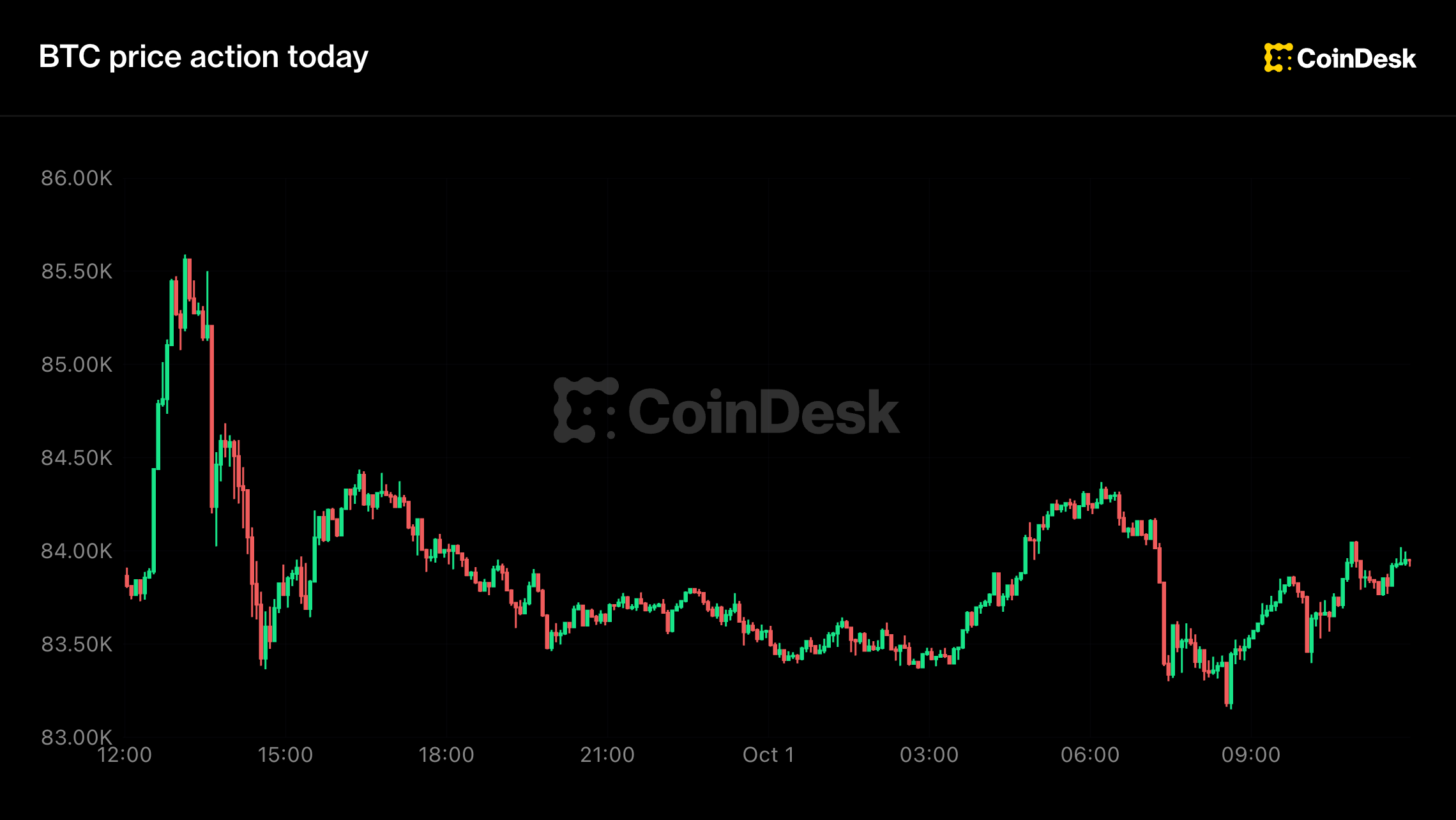
In September 2026, Bitcoin was trading just under $84,000 after a strong third‑quarter rally of 42.7 %. At the same time, the U.S. 10‑year Treasury yield hit a 24‑year high of 5.362 % before easing slightly to 5.282 %. Analysts noted that the rise in yields was the dominant macro story, influencing Bitcoin’s flat performance at the start of the fourth quarter. This example shows how a shift in interest rates can temper price momentum even after a robust quarterly gain.
What it means for you
If you are mining Bitcoin or participating in cloud‑reward platforms, the price of Bitcoin directly impacts your earnings. Higher interest rates can lead to lower Bitcoin prices, which reduces the fiat value of any rewards you receive. At the same time, mining hardware costs and electricity expenses are often financed with loans; higher rates increase those financing costs, squeezing profit margins.
For investors seeking passive income, the macro environment matters as much as the technical aspects of a mining pool. When rates are high, you may want to be more cautious, perhaps allocating a smaller portion of your capital to Bitcoin mining and diversifying into assets less sensitive to interest‑rate swings.
How to evaluate the macro backdrop
Before committing to a mining or staking venture, consider these steps:
- Track benchmark yields: Monitor the 10‑year Treasury yield or comparable sovereign bond rates. A sustained rise above 4‑5 % often signals a tougher environment for risk assets.
- Watch central‑bank communications: Statements from the Federal Reserve, European Central Bank, or other major policymakers give clues about future rate moves.
- Assess financing costs: If you are taking a loan to buy mining hardware, calculate the annual percentage rate (APR) and compare it to expected Bitcoin returns.
- Review liquidity indicators: Metrics like the U.S. dollar index, credit spreads, and money‑market fund flows help gauge overall market risk appetite.
- Consider diversification: Pair Bitcoin mining with other passive‑income streams, such as green‑focused cloud rewards or staking on lower‑volatility networks.
FAQ
Why does a higher Treasury yield sometimes cause Bitcoin to drop?
Higher yields increase the attractiveness of low‑risk bonds, making investors less willing to hold riskier assets like Bitcoin. The shift in capital reduces demand, which can push the price down.
Can Bitcoin still be profitable when interest rates are high?
Profitability depends on several factors: the cost of electricity, hardware efficiency, and the price of Bitcoin. Even with high rates, efficient miners with low energy costs can remain profitable, especially if they lock in financing at favorable terms before rates rise further.
Should I stop mining during periods of rising rates?
Not necessarily. Evaluate your specific cost structure and compare expected Bitcoin returns against the increased financing cost. If the gap narrows, scaling back or switching to a more energy‑efficient setup may be prudent.
How often should I reassess the macro environment?
Quarterly reviews align well with typical financial reporting cycles and give enough time to observe meaningful rate trends. However, major policy announcements or unexpected economic data may warrant a more immediate check.
This article references reporting from coindesk.com.