Are you curious about how traditional stocks and bonds can exist as digital tokens, and what recent regulatory moves mean for your ability to invest in them? This article breaks down the concept of tokenized securities, explains the mechanics behind them, and shows how upcoming rules—such as South Korea’s February 2027 rollout—affect everyday investors.
What Are Tokenized Securities?
A tokenized security is a digital representation of a traditional financial instrument—like a share of stock, a corporate bond, or a mutual‑fund unit—recorded on a distributed‑ledger technology (DLT) platform, commonly known as a blockchain. Instead of a paper certificate or an entry in a central registry, ownership is tracked by a cryptographic token that can be transferred peer‑to‑peer.
The key components are:
- Underlying asset: The real‑world security that the token represents (e.g., a share of Apple Inc.).
- Token: A unique digital code that encodes the ownership rights of the underlying asset.
- Distributed ledger: A decentralized database that records every token transfer, providing transparency and immutability.
- Smart contract: Self‑executing code on the ledger that enforces the rules of the security, such as dividend payouts or voting rights.
Because the ledger is public, anyone can verify the existence and ownership of tokens without needing a central intermediary. However, the legal recognition of those tokens as securities depends on regulatory frameworks that define how they must be issued, traded, and reported.
How Tokenization Changes the Investment Process
Tokenization can affect several stages of the investment lifecycle:
- Issuance: Companies can create digital tokens that represent fractional ownership, allowing investors to buy smaller slices of high‑value assets. This can lower the entry barrier for retail investors.
- Settlement: Traditional securities often settle in two or three business days (T+2/T+3). Token transfers can settle almost instantly, reducing counterparty risk and freeing up capital faster.
- Liquidity: Tokens can be listed on specialized exchanges or over‑the‑counter (OTC) platforms, potentially broadening the pool of buyers and sellers beyond conventional market hours.
- Compliance: Smart contracts can embed compliance checks—such as KYC (know‑your‑customer) and AML (anti‑money‑laundering) rules—directly into the token’s code, automating parts of the regulatory burden.
These advantages are balanced by new risks. Because tokens are stored in digital wallets, they are vulnerable to hacking, loss of private keys, and regulatory uncertainty. Understanding the legal environment is therefore essential before allocating capital.
Regulatory Example: South Korea’s Tokenized Securities Rules
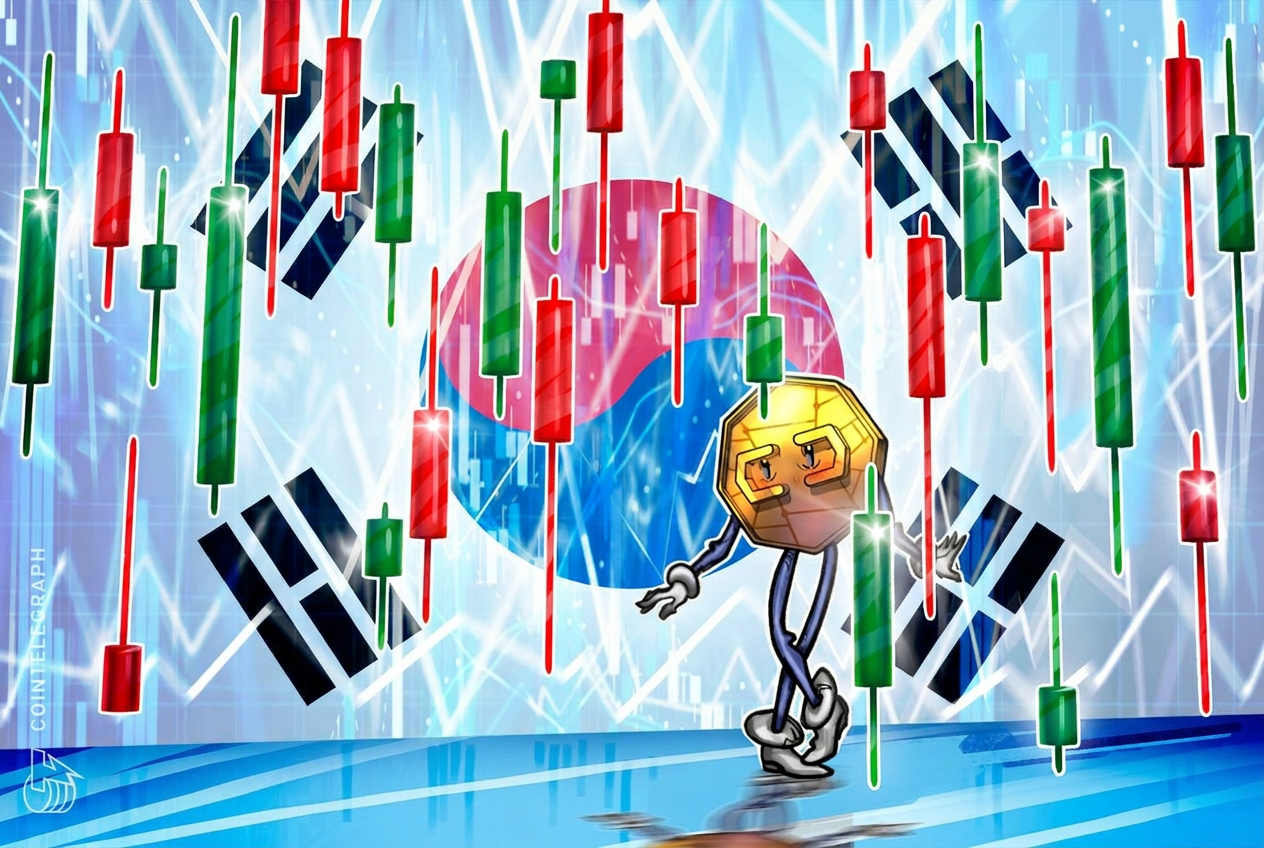
In February 2027, South Korea’s Financial Services Commission (FSC) plans to implement a detailed regulatory framework for tokenized securities. The proposal, announced in October 2026, outlines several requirements:
- Companies that issue and directly manage tokenized securities must hold at least 4 billion Korean won (about $2.8 million) in equity capital and maintain dedicated compliance and technology staff.
- An additional over‑the‑counter (OTC) exchange license will be required for trading debt‑type tokenized securities.
- Retail investors will be capped at 100 million won (approximately $70 000) in net purchases per year on each OTC exchange.
- The rules recognize distributed ledgers as official infrastructure for issuing and circulating securities, aligning legal status with the technology.
These measures aim to ensure that token issuers have sufficient financial backing and expertise, while also protecting retail participants from excessive exposure to high‑risk OTC markets.
What This Means for You
If you are considering earning passive income by buying tokenized stocks or bonds, the South Korean framework highlights three practical takeaways that apply in many jurisdictions:
- Capital requirements matter: Platforms that meet stringent equity and staffing standards are more likely to have robust security and compliance processes.
- OTC limits protect newcomers: Annual purchase caps help prevent retail investors from over‑committing to less‑liquid securities that may be harder to sell.
- Legal recognition of blockchains: When regulators treat distributed ledgers as official issuance infrastructure, the tokens you hold gain clearer legal standing, which can simplify tax reporting and dispute resolution.
In practice, you should look for token issuers that are registered with a recognized regulator, disclose their capital reserves, and operate on a compliant DLT platform.
How to Evaluate a Tokenized Security Offering
Before committing funds, run through this short checklist:
- Regulatory registration: Verify that the issuer is licensed or registered with the financial authority in its jurisdiction.
- Capital adequacy: Check whether the issuer meets any minimum equity or reserve requirements, similar to the 4 billion won rule in South Korea.
- Compliance infrastructure: Look for evidence of dedicated compliance staff and transparent KYC/AML procedures.
- Smart‑contract audit: Ensure the token’s code has been reviewed by an independent security firm.
- Liquidity provisions: Understand where the token will trade (exchange vs. OTC) and any limits on your purchase size.
- Custody options: Choose platforms that offer secure, non‑custodial wallets or insured custodial services.
FAQ
Can I buy a tokenized security the same way I buy a regular stock?
Yes, if the token is listed on a compliant exchange that supports fiat or cryptocurrency deposits. You will still need to complete KYC verification and may have to use a digital wallet to hold the token.
Do tokenized securities pay dividends or interest?
When the underlying asset distributes dividends or interest, the smart contract can automatically allocate the corresponding token‑holder’s share. The exact mechanism depends on the issuer’s implementation.
What happens if the issuer goes bankrupt?
Token holders are generally treated as owners of the underlying security, not as creditors of the issuing company. However, legal outcomes can vary by jurisdiction, so it’s important to understand the local bankruptcy framework for tokenized assets.
Are there tax implications for holding tokenized securities?
Yes. Most tax authorities treat tokenized securities as the same asset class as their traditional counterparts, meaning capital gains, dividend income, and interest are taxable in the same way. Keep detailed records of purchase dates, amounts, and proceeds for reporting.
This article references reporting from cointelegraph.com.