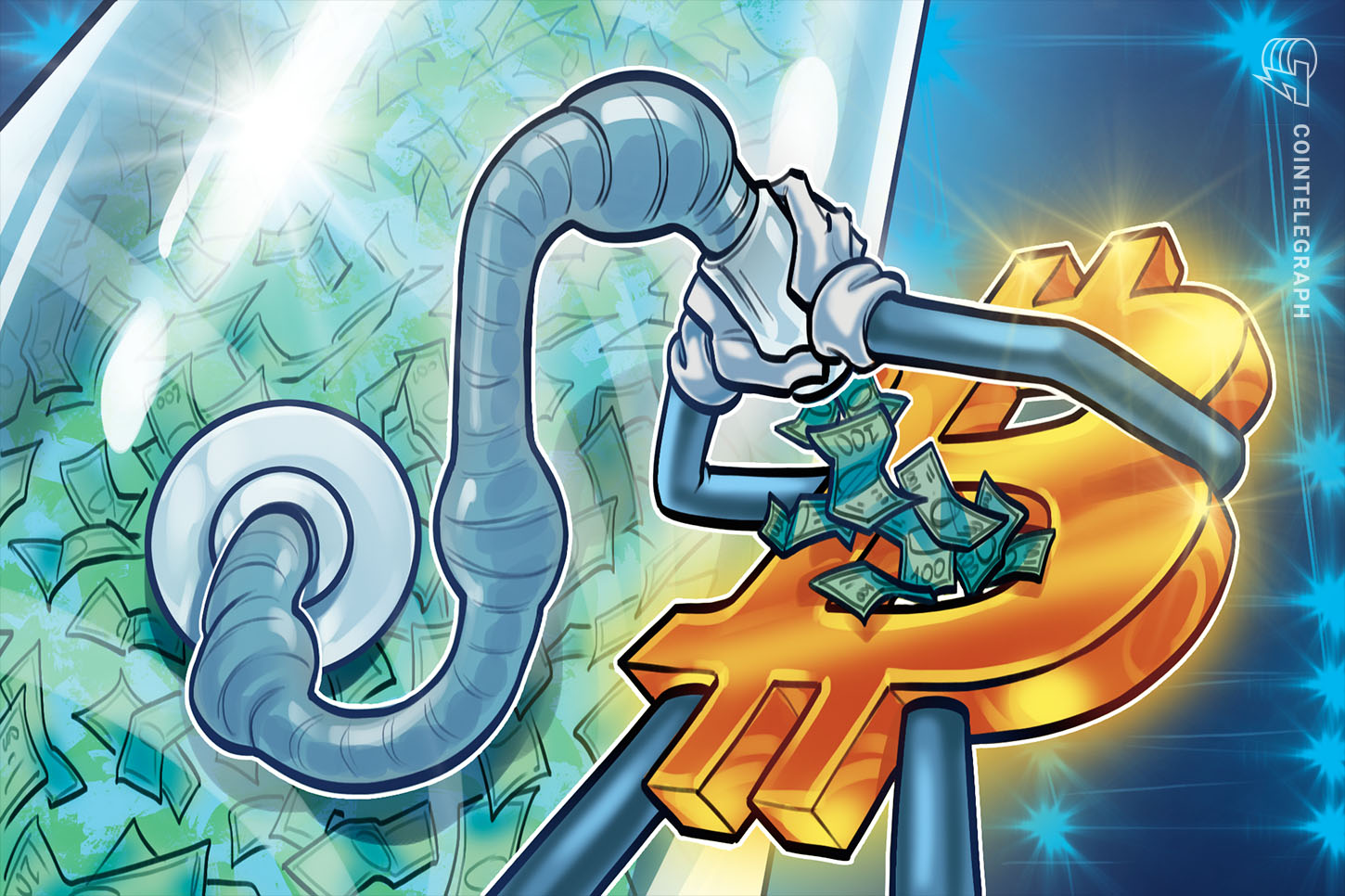
Do you wonder why a change in U.S. Treasury yields can cause Bitcoin to swing up or down? This article explains the relationship between bond yields, real‑rate dynamics, and Bitcoin price, so you can see past the headline numbers and understand the underlying forces.
The basics: What bond yields are and why they matter
A bond yield is the annual return an investor earns from holding a government bond. In the United States, the most watched yields are the 10‑year and 30‑year Treasury rates. These yields act as a benchmark for the cost of borrowing across the economy and influence the “real interest rate,” which is the nominal rate adjusted for inflation.
When yields rise, the real rate typically goes up, making risk‑free assets more attractive compared to riskier ones like stocks or cryptocurrencies. Conversely, when yields fall, the real rate drops, reducing the appeal of safe assets and often pushing investors toward higher‑risk, higher‑potential‑return assets.
Bitcoin, as a non‑yield‑bearing digital asset, is especially sensitive to changes in the real rate. A lower real rate reduces the opportunity cost of holding Bitcoin, while a higher real rate increases that cost, putting downward pressure on its price.
How the link works in practice
Investors compare the expected return of Bitcoin to the return they could get from a Treasury bond. If a 10‑year Treasury yields 5 % and Bitcoin’s expected annual return is uncertain but potentially higher, some investors may allocate a portion of their portfolio to Bitcoin, especially if they anticipate inflation eroding the bond’s purchasing power.
Two additional factors amplify this link:
- Liquidity and market sentiment. Lower yields often coincide with a risk‑on environment, where traders are more willing to buy assets that are not tied to traditional finance.
- Currency dynamics. A falling yield environment can weaken the U.S. dollar, making Bitcoin, which is priced in dollars, appear cheaper for foreign buyers and boosting demand.
Because Bitcoin trades 24/7 on global exchanges, the impact of U.S. yield moves can be seen instantly, but the magnitude depends on the broader macro context—such as inflation data, employment reports, and central‑bank policy expectations.
Real‑world illustration: October 2 2026
On October 2 2026, U.S. non‑farm payrolls came in at 29,000 jobs, far below the 84,000 expected. The weaker labor market signaled that the Federal Reserve might pause its rate‑hiking cycle. Consequently, the 10‑year Treasury yield slipped to about 5.2 % and the 30‑year yield to 5.573 %.
During the same session, Bitcoin briefly rose above $87,200, touching $87,229 on the Bitstamp exchange before retreating below $86,000. Analysts attributed the short‑term rally to the “Treasury relief”—the drop in yields that lowered the real rate and made Bitcoin relatively more attractive.
However, order‑book resistance around $87,300 limited further upside, showing that while macro factors can create a catalyst, market microstructure still determines the final price level.
What this means for you as an online earner
If you earn passive income through crypto mining, staking, or cloud rewards, understanding yield dynamics helps you anticipate price trends that affect the value of your earnings. A falling Treasury yield environment often aligns with periods of Bitcoin price appreciation, which can increase the fiat value of your rewards.
Conversely, a rising yield environment may signal upcoming price pressure, suggesting you might want to lock in gains, diversify into lower‑risk assets, or adjust the portion of your portfolio allocated to Bitcoin.
Because yields are published daily, you can monitor them alongside your crypto earnings dashboard to gauge whether macro conditions are supportive of Bitcoin’s price growth.
How to evaluate the impact yourself
- Track key Treasury yields. The 10‑year and 30‑year rates are the most relevant. Websites like the U.S. Treasury or financial data platforms provide real‑time figures.
- Watch real‑rate indicators. Subtract the latest inflation measure (e.g., CPI) from the nominal yield to see the true cost of holding cash versus Bitcoin.
- Assess market sentiment. Look for statements from major traders, central‑bank minutes, and risk‑on/off signals in equity and commodity markets.
- Check order‑book levels. Even with favorable macro conditions, large sell walls can cap price moves. Exchange depth charts reveal where resistance may appear.
- Combine with your earnings timeline. If you expect rewards in the near term, a falling‑yield environment could boost the fiat value of those rewards. Plan withdrawals or reinvestments accordingly.
FAQ
Why doesn’t Bitcoin always rise when yields fall?
Yield movements are just one factor. Bitcoin’s price also depends on network activity, regulatory news, and technical market structures. A falling yield can provide a catalyst, but strong resistance or negative news can still outweigh it.
Can I use bond yields to time my Bitcoin purchases?
Yield trends give a macro backdrop, but timing any asset precisely is difficult. It’s better to use yields as part of a broader strategy—such as dollar‑cost averaging—rather than trying to predict exact entry points.
Do higher yields always hurt Bitcoin?
Higher yields raise the real rate, making risk‑free assets more appealing, which can put downward pressure on Bitcoin. However, if inflation expectations rise faster than yields, the real rate may stay low, and Bitcoin could still perform well.
Should I sell my mining or staking rewards when yields rise?
Consider your risk tolerance and cash‑flow needs. If a rising yield environment suggests a likely price dip, you might convert some rewards to stablecoins or fiat to preserve value, but keep a portion invested to benefit from potential rebounds.
This article references reporting from cointelegraph.com.