Do you wonder why crypto prices can swing dramatically in a single day and how traders profit from those moves? This article explains what crypto futures are, how leverage amplifies both gains and losses, and what you should watch before dabbling in these markets.
What crypto futures are and how they work
A future contract is an agreement to buy or sell an asset at a predetermined price on a set future date. In crypto, futures let you trade the price of Bitcoin, Ether, or other tokens without actually owning the underlying coin. When you open a futures position, you are either long (betting the price will rise) or short (betting it will fall).
Because futures are settled in cash, the profit or loss is calculated from the difference between the contract price and the market price at settlement. This allows traders to speculate on price direction, hedge existing holdings, or provide liquidity to the market.
Most crypto exchanges offer perpetual futures, which have no expiration date. Instead, they use a funding mechanism that periodically transfers small amounts between longs and shorts to keep the contract price close to the spot price.
A real‑world illustration
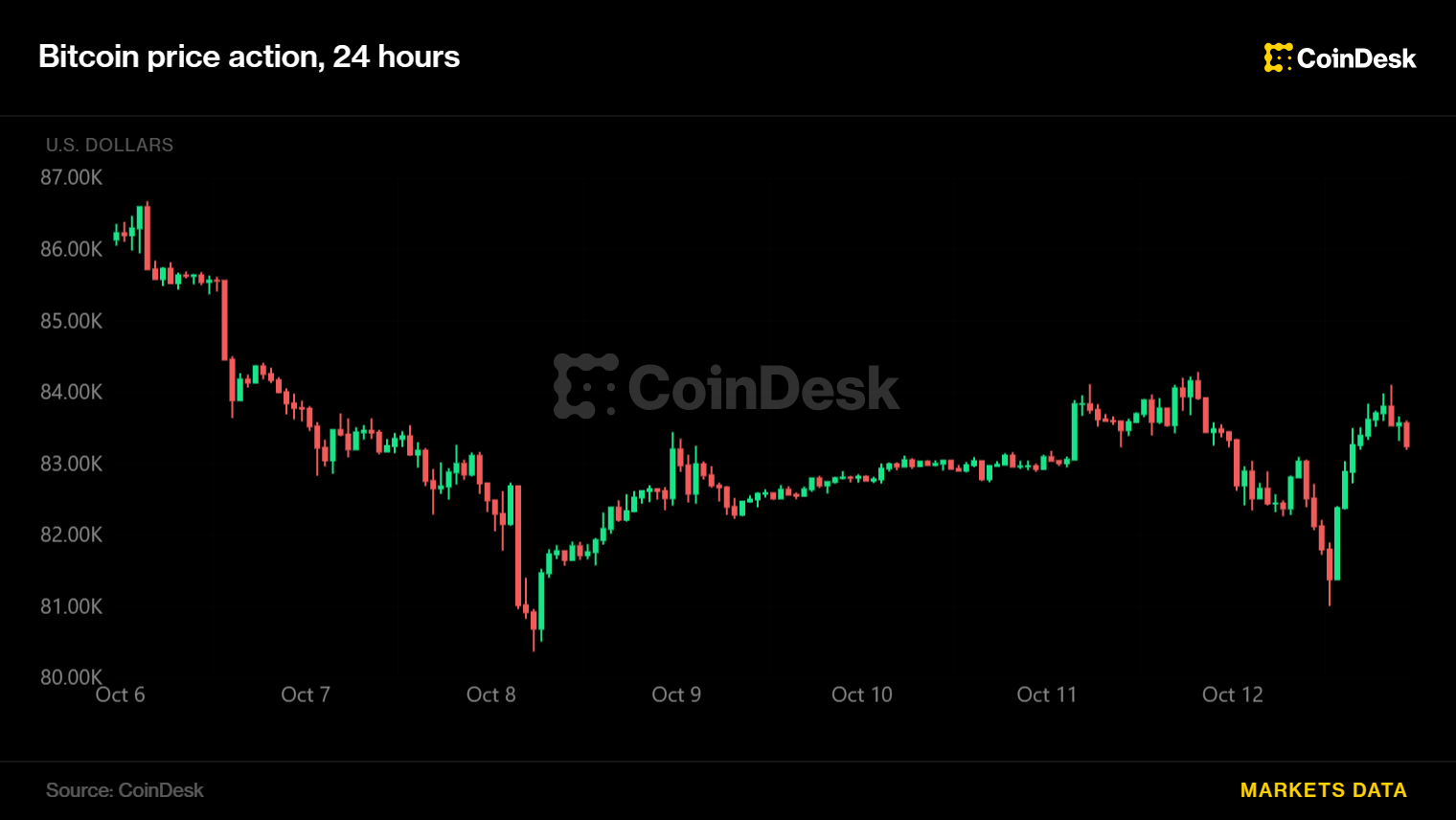
On a Tuesday in March 2026, South Korean equities fell sharply, and the crypto market reacted with pronounced swings. Bitcoin dipped below $81,000 before rebounding above $84,000, while Ether fell to $2,400 before climbing back to $2,500. During the same 24‑hour period, futures trading volume surged to $212 billion, up 66 % from the previous day, and liquidations jumped 284 % to $813 million. The data showed that traders were closing leveraged positions rather than adding new ones, indicating a market‑wide “unwinding” of leverage.
What this means for you
If you are looking to earn online through crypto, futures can offer higher potential returns than simply buying and holding a coin, but they also expose you to larger risks. Because you are not required to put up the full value of the contract, a small price move can wipe out your margin (the collateral you posted) quickly. In the March 2026 episode, the surge in liquidations meant many traders lost their entire margin as prices moved against them.
Leverage also amplifies market sentiment. When many participants are long, the market may become overbought; when many are short, a sudden price rise can trigger a “short squeeze,” driving prices even higher. Understanding the balance of long versus short positions helps you gauge the risk of a rapid reversal.
What to check before trading futures
- Leverage level: Most exchanges let you choose 2×, 5×, 10× or higher. Beginners should start with the lowest possible leverage to limit potential loss.
- Margin requirement: This is the amount of capital you must lock up. Ensure you have enough cushion beyond the minimum to survive short‑term price swings.
- Open interest (OI): OI measures the total dollar value of all open contracts. A rising OI alongside falling prices often signals fresh short positions; a falling OI can indicate traders are exiting the market.
- Funding rates: Positive rates mean longs pay shorts; negative rates mean shorts pay longs. Extreme rates can signal an imbalance that may reverse.
- Liquidation risk: Check the exchange’s liquidation price calculator. Knowing the price at which your position would be forced closed helps you set stop‑loss orders.
- Volatility index (VIX) for crypto: This reflects market expectations of future price swings. Low VIX values, as seen in March 2026, suggest calm markets, but sudden news can still trigger spikes.
FAQ
What is the difference between a futures contract and a spot purchase?
A spot purchase means you buy the actual cryptocurrency and hold it in a wallet. A futures contract is a derivative that settles in cash based on the price movement of the underlying asset, allowing you to profit without owning the coin.
Can I lose more than my initial investment?
Yes. With high leverage, a rapid adverse price move can trigger liquidation, causing you to lose the entire margin you posted. Some platforms also allow “margin calls” where you must add more funds, potentially leading to losses beyond the original deposit.
How do funding rates affect my position?
Funding rates are periodic payments between long and short traders. If the rate is positive, longs pay shorts; if negative, shorts pay longs. Over time, these payments can add up, affecting your net profit or loss, especially on high‑leverage positions.
Is futures trading suitable for long‑term investors?
Futures are generally better suited for short‑term speculation or hedging. Long‑term investors often prefer buying and holding the underlying asset to avoid the compounding costs and risks associated with leverage.
This article references reporting from coindesk.com.