Are you curious about the tokens that sit on top of Bitcoin and promise faster, cheaper transactions? This article explains what a Bitcoin layer‑2 token is, how it functions, and what you should consider before using or earning from one.
What is a Bitcoin layer‑2 token?
A layer‑2 solution is a protocol built on top of an existing blockchain—in this case, Bitcoin—to improve its performance. Bitcoin’s base layer (layer 1) is designed for security and decentralisation, which makes transactions relatively slow and costly when the network is busy. Layer‑2 protocols create an additional network that handles transactions off‑chain or in a more efficient format, then settles the final results back on Bitcoin.
Tokens that belong to these protocols, such as Stacks’ STX, serve several purposes:
- Utility: They pay for fees within the layer‑2 network, similar to how Bitcoin pays for on‑chain fees.
- Governance: Holders may vote on upgrades or changes to the protocol.
- Incentives: They can be earned as rewards for participating in the network, for example by providing computing resources or securing the system.
The first layer‑2 built for Bitcoin was the Lightning Network, which creates payment channels that settle instantly. Stacks, by contrast, adds a smart‑contract layer that lets developers write decentralized applications (dApps) that ultimately anchor their data to Bitcoin’s blockchain.
A real‑world illustration
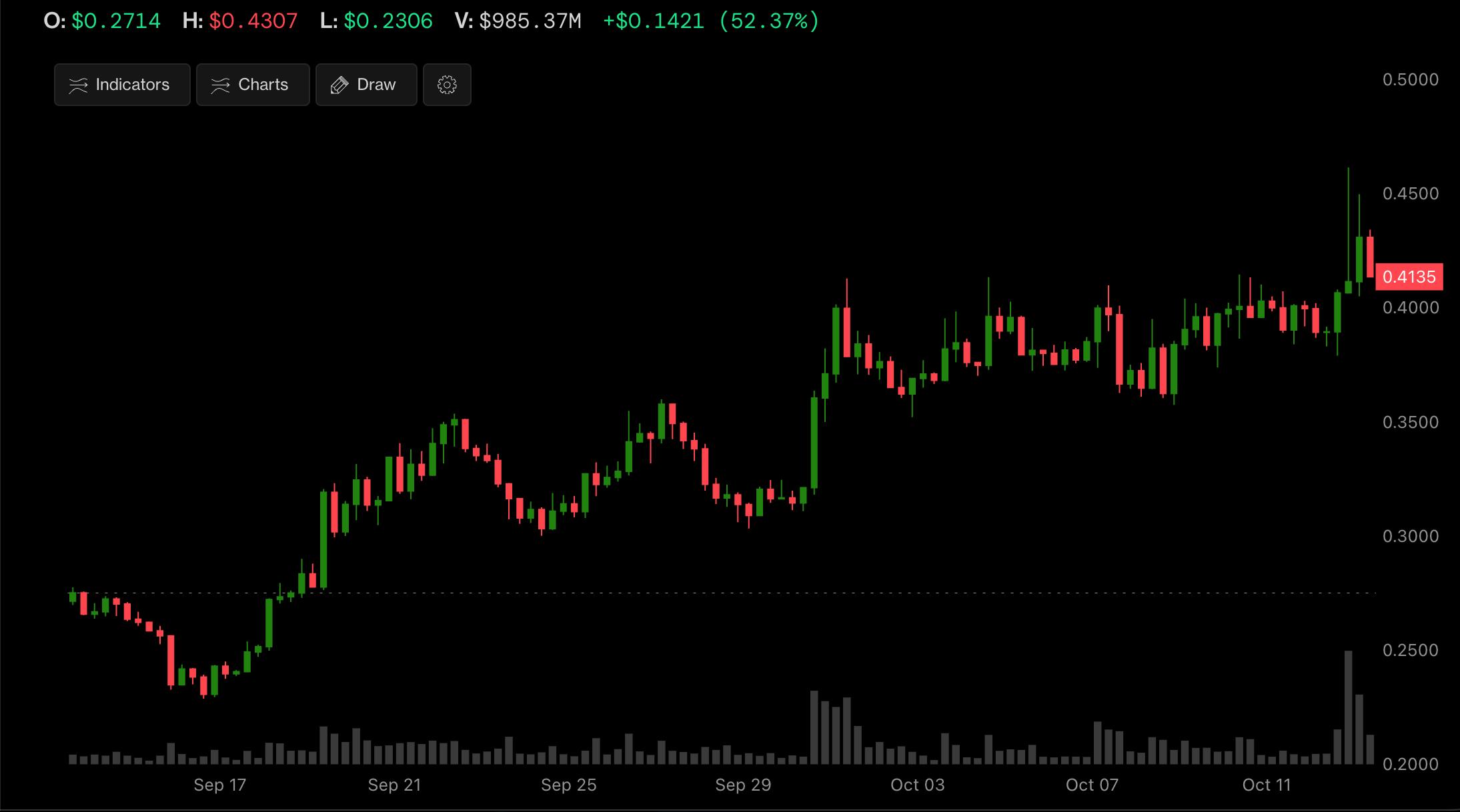
In March 2026, Stacks’ native token STX experienced a 50 % price increase over a four‑week period. The surge was driven by growing interest in Bitcoin‑based smart contracts and the perception that STX could benefit from broader adoption of layer‑2 services. While price movement is volatile, the event highlights how market sentiment can react to developments in the underlying technology.
What this means for you
If you are looking to earn passive income or diversify your crypto holdings, layer‑2 tokens offer a few avenues:
- Staking or delegating: Some protocols let you lock up tokens to support network security and receive a share of transaction fees.
- Providing services: Running a node, offering storage, or developing dApps can generate token rewards.
- Speculative holding: Buying a layer‑2 token in anticipation of broader adoption may yield capital gains, but it also carries market risk.
Because layer‑2 solutions are still maturing, the rewards can be attractive, yet the risks are higher than with established Bitcoin holdings. Network bugs, regulatory changes, or a loss of developer interest can affect token value.
What to check before you dive in
- Security track record: Review any past audits, bug bounties, or incidents. A protocol that has survived multiple attacks is generally more trustworthy.
- Economic model: Understand how rewards are generated and distributed. Look for clear documentation on token supply, inflation, and fee structures.
- Developer activity: Active repositories, frequent updates, and a vibrant community signal ongoing development.
- Regulatory environment: Some jurisdictions treat layer‑2 tokens differently from Bitcoin. Ensure you are compliant with local laws.
- Liquidity: Check whether the token trades on reputable exchanges and has sufficient volume to enter or exit positions without large slippage.
FAQ
Do I need to own Bitcoin to use a layer‑2 token?
Not necessarily. While the layer‑2 network settles on Bitcoin, you can acquire the native token (e.g., STX) directly on exchanges and use it within the protocol without holding Bitcoin yourself.
Is staking a layer‑2 token safe?
Staking involves locking up tokens, which exposes you to the protocol’s security risk and price volatility. It can be safe if the network has strong audits and a proven track record, but always consider the possibility of loss.
Can I earn real‑world income from layer‑2 tokens?
Yes, many protocols distribute a portion of transaction fees to token holders or node operators. However, the income is tied to network usage, which can fluctuate, so earnings are not guaranteed.
How does a layer‑2 token differ from a regular altcoin?
A layer‑2 token is specifically designed to enhance Bitcoin’s functionality, whereas most altcoins operate on independent blockchains with their own consensus mechanisms. This connection to Bitcoin can affect security, adoption potential, and regulatory treatment.
This article references reporting from coindesk.com.