Ever wonder why Bitcoin’s price can swing dramatically and how those swings affect your ability to earn online? This article breaks down the key forces that move Bitcoin’s market value and shows you how to interpret them when you’re looking for passive income opportunities.
The basics: what actually drives Bitcoin’s price?
Bitcoin is a digital asset that trades on open markets, meaning its price is set by supply and demand. Supply is relatively fixed – the protocol caps the total number of bitcoins at 21 million, with new coins created at a predictable rate through mining. Demand comes from a mix of investors, traders, merchants, and users who want to hold or spend Bitcoin.
Because the supply side is largely predictable, most price movement comes from changes in demand. Demand can shift for several reasons:
- Macroeconomic news – data such as inflation reports, interest‑rate decisions, or employment figures can change how investors view Bitcoin as a hedge or speculative asset.
- Market sentiment – collective feelings of optimism or fear, often measured by indices like the Crypto Fear & Greed Index, drive buying or selling pressure.
- Derivatives activity – futures, options, and perpetual contracts let traders bet on price direction without owning Bitcoin. Open interest (the total value of outstanding contracts) and funding rates (payments between long and short positions) can signal where large traders are positioned.
- Liquidity and volume – higher trading volume usually means price changes are smoother, while thin markets can produce sharp spikes.
- Regulatory and technological events – announcements about regulation, exchange listings, or network upgrades can instantly alter demand.
All of these factors interact, creating the price patterns you see on charts.
Real‑world illustration
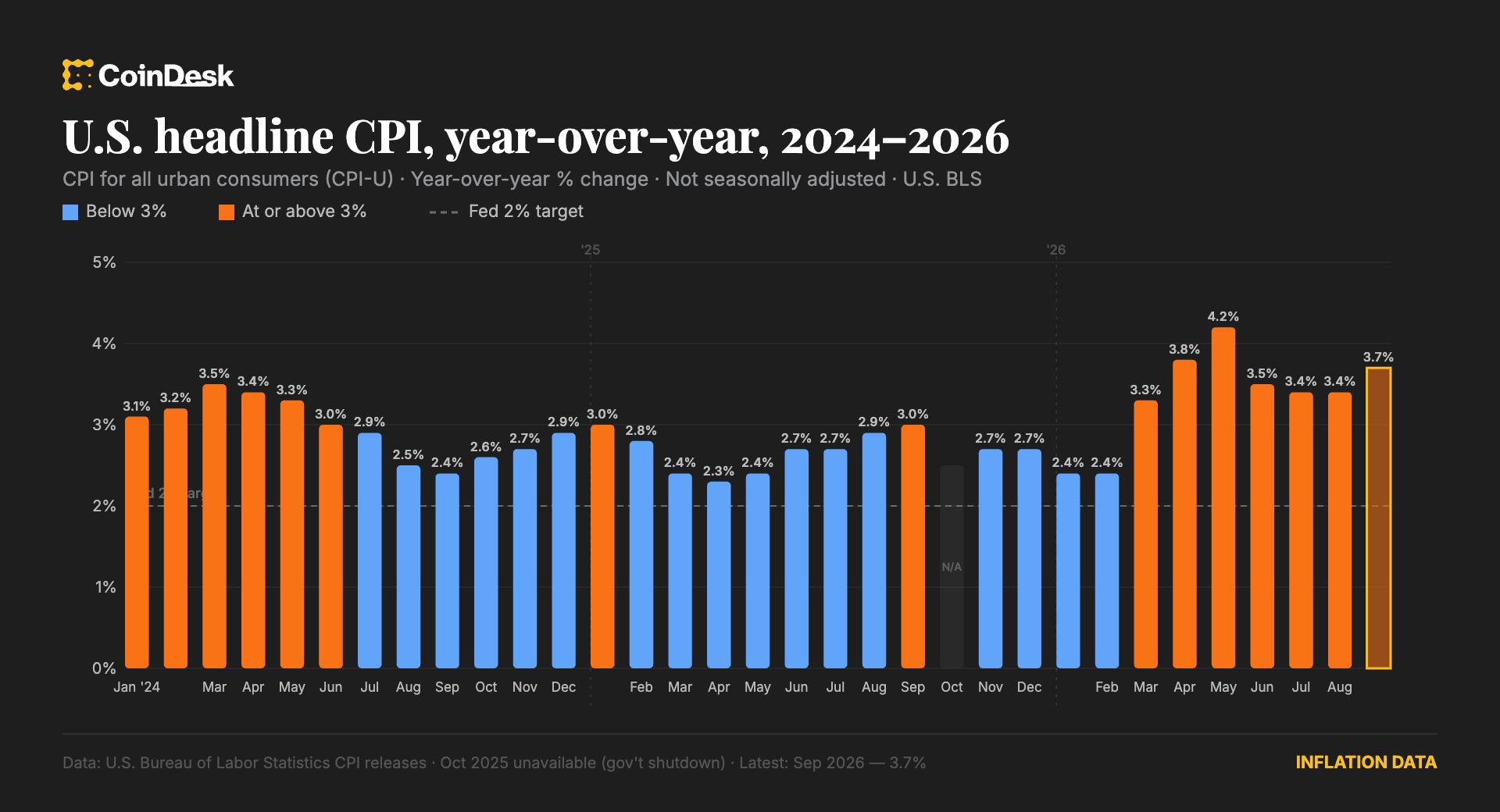
In March 2026, Bitcoin was trading around $83,450 after briefly spiking to $84,000 in the European morning. The price movement coincided with traders awaiting the U.S. consumer price index (CPI) report, which was expected to show inflation rising to 3.6 %. Earlier, New York Fed President John Williams had said he saw no need for rate hikes in 2027, easing some pressure.
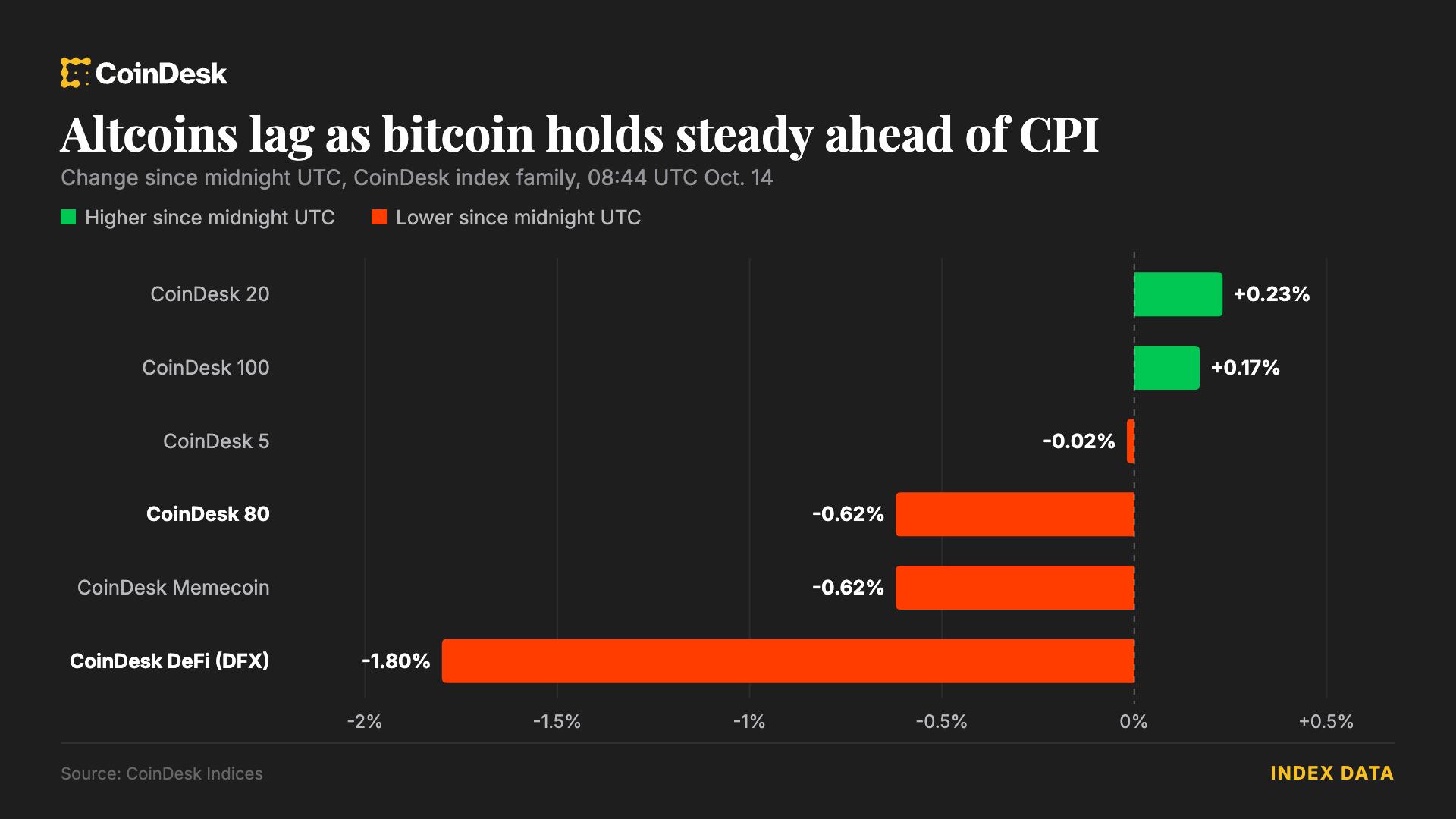
At the same time, crypto futures volume fell 26 % to $156.79 billion and open interest dropped to $140 billion, indicating that leveraged positions were being closed ahead of the inflation data. Bitcoin’s implied volatility index rose to 40 %, a sign that traders were pricing in higher risk. These macro‑economic cues and derivatives metrics together helped explain why Bitcoin held above $83,000 while many altcoins lagged.
What this means for you as an online earner
If you earn through mining, staking, or cloud‑based reward platforms, Bitcoin’s price directly influences your returns. Higher prices increase the fiat value of any Bitcoin you mine or receive as a reward, while lower prices reduce it. However, the cost side—electricity, hardware depreciation, or platform fees—does not change with price, so profitability can swing sharply.
Derivatives activity also matters. When open interest in Bitcoin futures declines, it often signals that large traders are unwinding positions, which can lead to a more stable price environment. Conversely, rising funding rates (where longs pay shorts) suggest that bullish traders are paying a premium to hold positions, a potential warning sign of over‑extension.
Understanding these signals helps you decide when to:
- Scale up mining operations during price uptrends.
- Lock in earnings by converting a portion of rewards to stablecoins when volatility spikes.
- Pause new investments if market sentiment turns sharply bearish.
How to evaluate Bitcoin’s market health
Before committing capital, run through this quick checklist:
- Check macro data calendars. Inflation reports, central‑bank meetings, and employment numbers often precede big moves.
- Watch open interest and funding rates. Falling open interest usually means traders are exiting, while high funding rates can indicate an over‑bought market.
- Monitor implied volatility. A BVIV (Bitcoin Volatility Index) above 30 % typically signals heightened risk.
- Look at spot‑vs‑futures price spreads. Large gaps can hint at future price corrections.
- Gauge sentiment. Social media trends, on‑chain activity (like active addresses), and exchange inflows/outflows give clues about demand.
FAQ
Why does Bitcoin sometimes rise even when the broader market is falling?
Bitcoin can act as a “digital gold” for some investors, so during equity market stress they may move funds into Bitcoin, boosting its price while stocks decline.
What is “open interest” and why should I care?
Open interest is the total value of all outstanding futures and perpetual contracts. A drop usually means traders are closing positions, which can reduce price volatility; a rise suggests new capital is entering the market.
How does implied volatility affect my earnings?
Higher implied volatility means larger price swings. If you earn in Bitcoin, your fiat‑denominated earnings can vary widely. Some earners hedge by converting part of their rewards to stablecoins during volatile periods.
Can I use Bitcoin’s price trends to time my mining hardware purchases?
Buying hardware when Bitcoin’s price is low can lower your break‑even point, but you also need to consider electricity costs and the network’s mining difficulty, which adjusts roughly every two weeks to keep block times stable.
This article references reporting from coindesk.com.