Do you wonder why a single economic report can send Bitcoin soaring or tumbling? This article explains how inflation numbers influence Bitcoin’s price, the mechanisms behind the reaction, and what you should consider when using crypto as a source of passive income.
The basics: inflation, interest rates, and Bitcoin
Inflation measures how quickly prices for goods and services rise over time. In the United States, the Consumer Price Index (CPI) is the most widely watched gauge. When CPI comes in higher than expected, it signals that prices are increasing faster than anticipated.
Higher inflation usually prompts central banks, like the Federal Reserve, to consider raising interest rates to cool the economy. Higher rates make borrowing more expensive and can strengthen a country’s currency because investors can earn more on dollar‑denominated assets.
Bitcoin, while not tied to any government, is still affected by these macro forces. Investors often view Bitcoin as a hedge against inflation, but they also react to the broader risk environment that changes when rates shift. When inflation spikes, the expectation of tighter monetary policy can lead to a short‑term sell‑off in risk assets, including Bitcoin.
Why a hot CPI report can push Bitcoin lower
When the CPI number exceeds forecasts, two main forces come into play:
- Rate‑rise expectations: Traders anticipate that the Fed may raise rates sooner or more aggressively. Higher rates increase the yield on safe‑haven assets like Treasury bonds, making them more attractive relative to riskier assets such as Bitcoin.
- Risk‑off sentiment: A hotter inflation reading can signal a more fragile economy. Investors may move money out of volatile assets and into cash or bonds, causing a temporary dip in Bitcoin’s price.
Conversely, if inflation comes in cooler than expected, the market may expect the Fed to keep rates lower for longer. That environment often supports higher valuations for risk assets, including Bitcoin.
Real‑world illustration
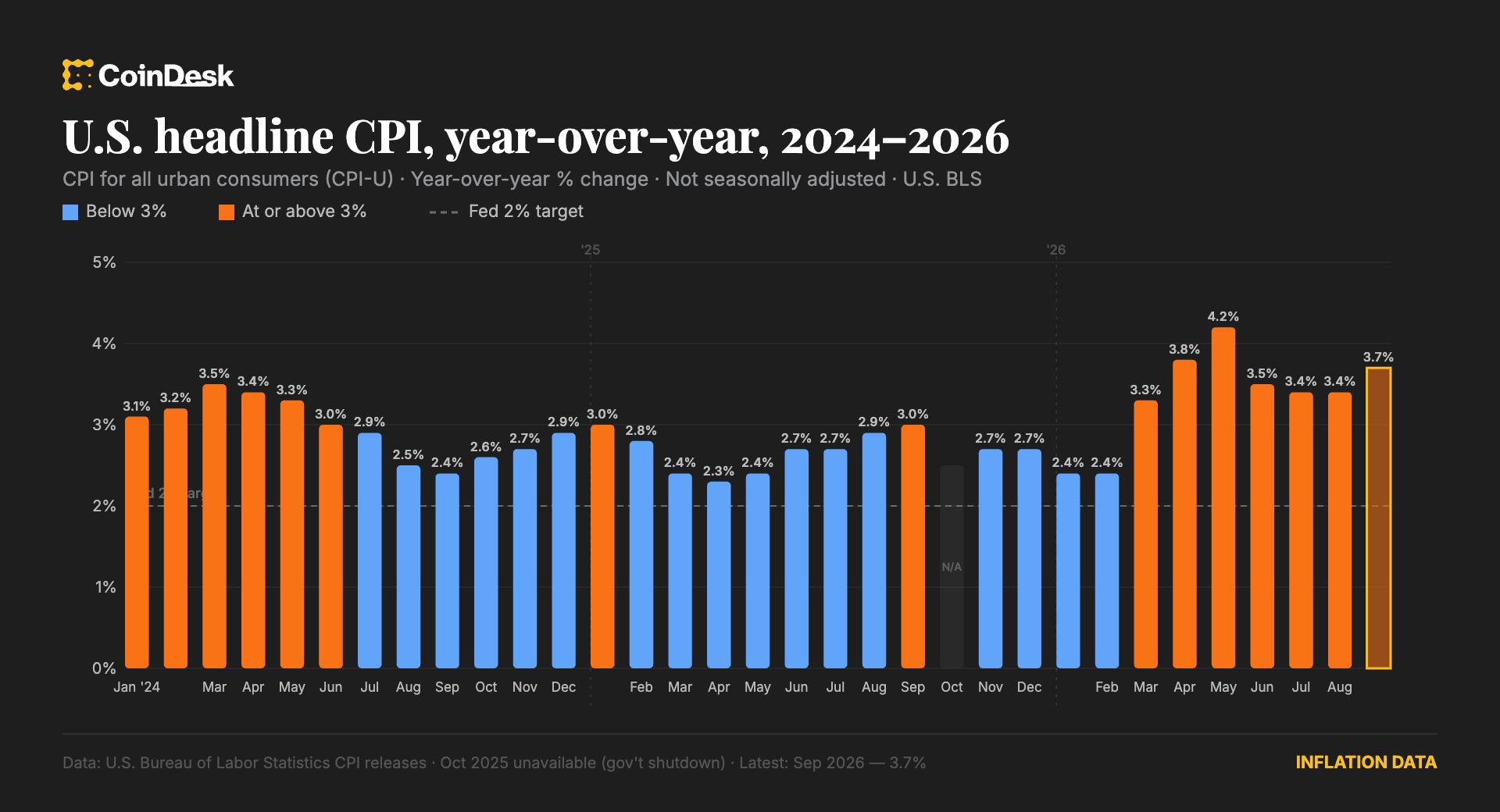
In September 2026, the U.S. CPI report showed a hotter‑than‑expected increase. The data triggered a sharp sell‑off, and Bitcoin fell more than 1% in a single session. Analysts linked the move to renewed expectations that the Federal Reserve might tighten monetary policy sooner than previously thought.
What this means for you as an online earner
If you earn passive income through Bitcoin mining, staking, or cloud‑based reward platforms, price volatility directly impacts the value of your rewards. A sudden dip can reduce the dollar value of newly minted coins or staking payouts, even if the number of tokens you receive stays the same.
Understanding the macro backdrop helps you anticipate periods of price pressure and plan accordingly. For example, you might choose to convert a portion of your earnings into stablecoins during high‑inflation weeks to preserve purchasing power.
How to assess the impact before it hits your wallet
- Watch the CPI calendar: Major economies release inflation data on a predictable schedule. Mark these dates and note the market consensus beforehand.
- Track Fed commentary: Statements from Federal Reserve officials often give clues about future rate moves. A hawkish tone (favoring higher rates) can be a bearish signal for Bitcoin.
- Monitor risk sentiment indexes: Tools like the VIX (volatility index) or the Bloomberg US Aggregate Bond Index reflect broader market mood. Rising risk‑off indicators often precede crypto price drops.
- Use diversified earning strategies: Combine mining or staking with exposure to stablecoins or other low‑volatility assets. Diversification reduces reliance on a single price movement.
FAQ
Why does Bitcoin sometimes rise when inflation is high?
Some investors view Bitcoin as a store of value that can protect against eroding purchasing power, so a high‑inflation environment can boost demand. However, the immediate reaction often depends on whether the market expects rate hikes, which can outweigh the hedge narrative in the short term.
Should I sell my Bitcoin earnings after a bad CPI report?
Selling immediately can lock in losses if the price rebounds. Consider your time horizon and whether you need cash now. Holding a portion in stablecoins can give you flexibility without forcing a sale at a low price.
Do stablecoins protect me from inflation?
Stablecoins pegged to fiat currencies (e.g., USDC) maintain a 1:1 value with that currency, so they do not protect against inflation. However, they shield you from Bitcoin’s price volatility, which can be useful for short‑term cash needs.
How often should I adjust my crypto earning strategy based on macro data?
Review your approach after each major economic release (inflation, employment, central bank meetings). Frequent, small adjustments are generally safer than large, infrequent changes.
This article references reporting from coindesk.com.