
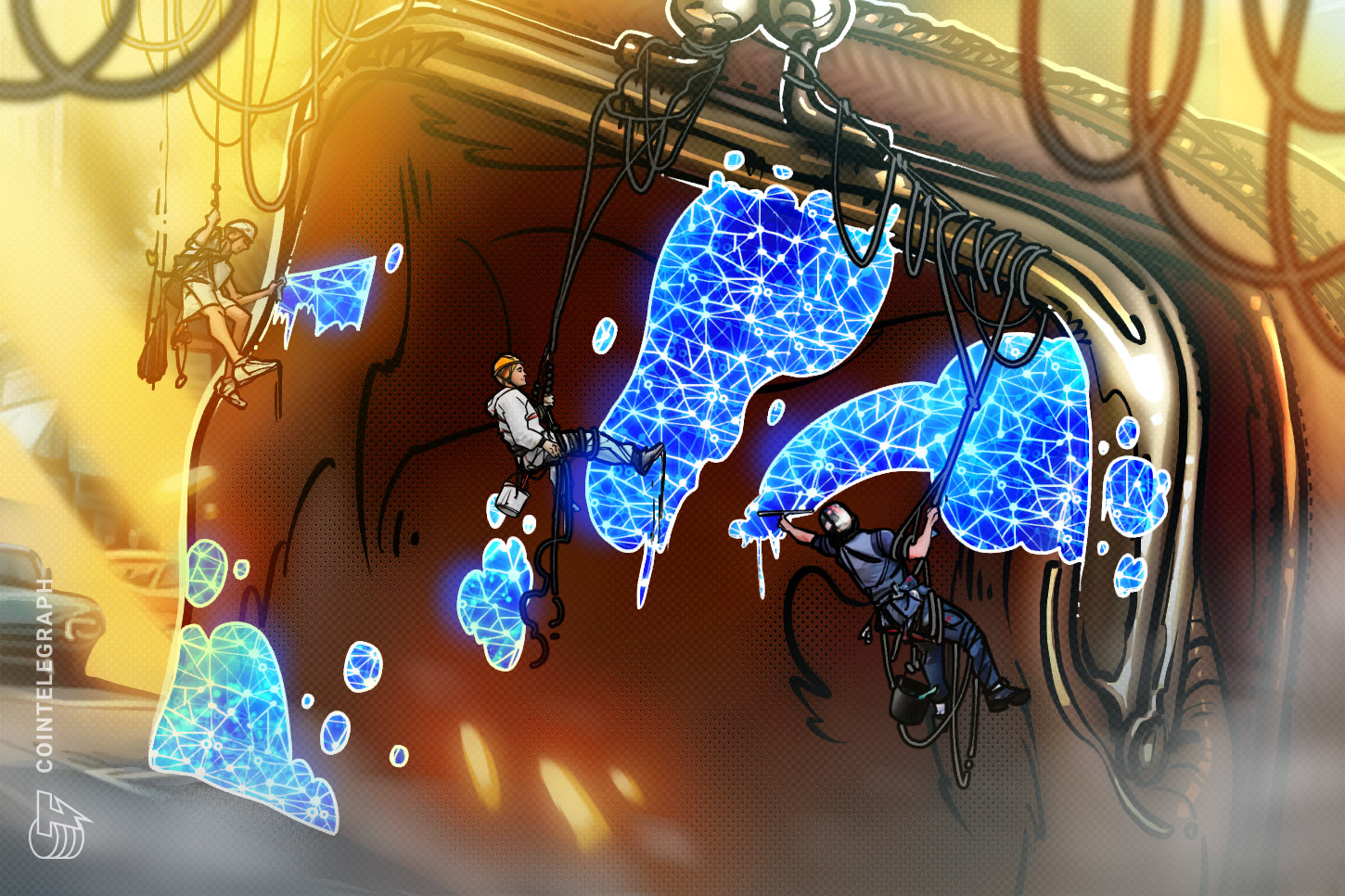
Ever wondered why some crypto wallets get emptied overnight while others stay safe? This article explains what wallet seeds are, why weak seed generation is a serious vulnerability, and what steps you can take to keep your digital assets secure.
What a wallet seed is and how it should work
A wallet seed, also called a seed phrase or recovery phrase, is a short list of words (usually 12, 18 or 24) that encodes the private keys controlling your crypto accounts. Private keys are like the passwords that let you sign transactions on a blockchain. Because the seed can regenerate every private key in the wallet, protecting it is crucial.
When a seed is created, the software must use a source of randomness that is truly unpredictable. In cryptography this is called a cryptographically secure random number generator (CSPRNG). A CSPRNG draws entropy from the operating system or hardware and produces numbers that attackers cannot guess, even with massive computing power.
If a wallet generator uses a non‑secure source—such as JavaScript’s Math.random() function—its output can be predicted. Math.random() is designed for simple games and simulations, not for secret creation. An attacker who knows the algorithm and can observe enough outputs can reconstruct the seed and thus steal the funds.
Real‑world example: the Qubic seed‑generation breach
In October 2026, the layer‑1 blockchain Qubic halted its network after an attacker exploited weakly generated wallet seeds. The flaw affected seeds created on any iPhone or iPad browser, Safari on a Mac (up to 18 October 2026), and the Qubic iOS app released before July 2025. Using the predictable seeds, the attacker drained about 2.94 trillion Qubit (QU), roughly $1.4 million, from more than 1,400 wallets.
Qubic reported that 87.1 % of the stolen funds never left the network and remain frozen, while the remaining 12.9 % was sent to the exchange MEXC, which quickly froze the receiving account. The project fixed the issue by replacing Math.random() with the secure crypto.getRandomValues() function in its web wallet (version 4.26.4).
What this means for you
If you generate a wallet on a device or app that uses an insecure random source, your seed may be guessable. That makes any funds stored in that wallet vulnerable to the same kind of mass theft that hit Qubic. Even if the platform later patches the bug, the compromised seeds remain unsafe unless you move the assets to a newly generated, secure wallet.
Because seed generation happens only once—when you first create the wallet—any weakness at that moment can expose all future transactions. Therefore, the security of the seed creation process is the single most important factor in protecting your crypto holdings.
How to check and secure your wallet seeds
- Use reputable wallet software. Choose wallets that are open‑source and have undergone security audits. Established apps such as Ledger Live, MetaMask, or hardware wallets from Ledger and Trezor follow best practices.
- Prefer hardware wallets. Devices generate seeds internally using dedicated hardware random number generators, isolated from internet‑connected software.
- Verify the seed generation method. If you use a web or mobile wallet, look for statements that the seed is created with crypto.getRandomValues() (or an equivalent CSPRNG). Avoid any wallet that mentions Math.random() or similar non‑secure functions.
- Generate seeds offline. If possible, create your seed on a device that is not connected to the internet, then write it down on paper or store it in a secure offline medium.
- Test for duplicate seeds. Some services provide a “seed check” tool that can tell you if your seed appears in known compromised lists. Use it before funding a new wallet.
- Rotate seeds after a breach. If you suspect your seed may have been generated insecurely, create a new wallet with a verified secure generator and transfer all assets immediately.
FAQ
What is the difference between a seed phrase and a private key?
A private key is a single 256‑bit number that controls one address. A seed phrase is a human‑readable representation that can derive many private keys, allowing you to recover an entire wallet.
Can I trust a mobile app that says it uses “random numbers”?
Not without confirmation. The term “random numbers” is vague; you need to see that the app explicitly uses a cryptographically secure generator like crypto.getRandomValues(). Otherwise, the seed may be predictable.
If my wallet was created on an iPhone, is it safe?
It depends on the app. The Qubic breach showed that browsers on iOS could use insecure generators. Using a reputable wallet app that follows security best practices mitigates the risk.
Do hardware wallets eliminate the risk of weak seeds?
Hardware wallets generate seeds inside the device using dedicated hardware entropy sources, which are considered highly secure. As long as the device is genuine and not tampered with, the risk is minimal.
This article references reporting from cointelegraph.com.




Вы мечтаете о уютном и экологически чистом жилище? Рассмотрите возможность строительства строительство каркасных домов спб — современные решения, которые идеально подходят для комфортной жизни в Санкт-Петербурге.
Каркасный дом становится все более популярным в современном строительстве .
Этот тип домов отличается высокой скоростью возведения и экономической эффективностью .
Главный элемент конструкции — каркас, созданный из дерева, металла или другого материала .
Такая конструкция обеспечивает хорошую теплоизоляцию и звукоизоляцию .
Каркасные технологии позволяют строить комфортные дома практически в любом климатическом поясе.
Особое внимание уделяется выбору материалов для утепления и наружной отделки .
В отличие от других видов, такие дома возводятся за минимальные сроки, что экономит деньги и время .
Правильная эксплуатация и своевременный ремонт сохранят качество конструкции на долгие годы.
Каркасные дома являются оптимальным выбором для тех, кто ценит качество и быстроту возведения .