Ever wonder what it means when a massive amount of Bitcoin suddenly moves from an old wallet? This article explains why large, historic transfers happen, what they can indicate about market sentiment, and how you can interpret such events when you’re trying to earn or invest in crypto.
What a “whale” transfer actually is
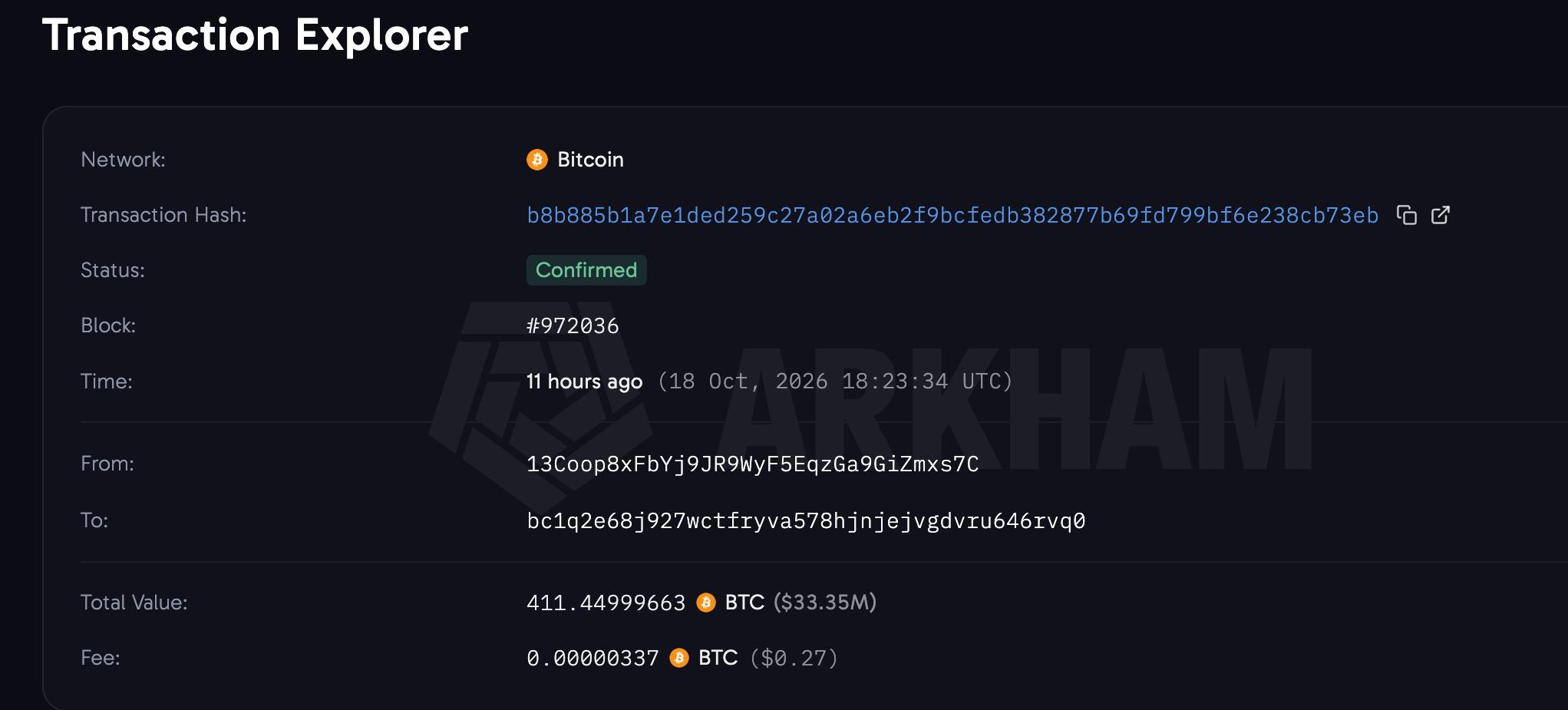
A whale is a term used for an individual or entity that holds a large amount of a cryptocurrency. In Bitcoin, ownership is recorded in addresses, which are strings of letters and numbers that act like bank account numbers. When a whale moves coins, they broadcast a transaction that transfers Bitcoin from one address to another. The blockchain, Bitcoin’s public ledger, records every transaction forever, so anyone can see the amount, the sending and receiving addresses, and the time of the move.
Because Bitcoin is pseudonymous, the identity behind an address is usually unknown. However, analysts can often infer the type of holder (exchange, miner, long‑term investor) by looking at patterns such as how long the coins have stayed untouched, the size of the transfer, and the destination address.
Why old coins get moved
There are several reasons a holder might decide to move Bitcoin that has sat idle for years:
- Liquidity needs: The owner may want to sell or trade the coins, requiring them to be sent to an exchange.
- Security upgrades: Older wallets might use outdated software or hardware. Moving funds to a newer, more secure wallet reduces the risk of theft.
- Tax planning: In some jurisdictions, moving coins can trigger a taxable event or be part of a strategy to realize gains or losses.
- Strategic signaling: Large moves can be intentional signals to the market, indicating confidence (or concern) about price direction.
- Technical reasons: Consolidating many small UTXOs (unspent transaction outputs) into a single address can lower future transaction fees.
Real‑world illustration
In March 2026, a Bitcoin whale transferred roughly $34 million worth of BTC that had been acquired in 2013 when the price was about $131 per coin. The coins had remained untouched for over a decade before the move. The transaction was notable not only for its size but also because it highlighted how long‑term holders sometimes decide to act after many years of inactivity.
What this means for you
If you’re looking to earn passive income through Bitcoin‑related activities—such as staking derivatives, lending, or cloud mining—understanding whale movements can help you gauge market sentiment. A large inflow of old coins into an exchange may suggest that holders are preparing to sell, which could put downward pressure on price. Conversely, a transfer to a cold storage address might signal confidence and a desire to hold for the long term.
For miners or cloud‑reward platforms, whale activity can affect transaction fee markets. When many coins are moved at once, the network can experience a temporary spike in transaction volume, leading to higher fees. Higher fees can improve mining profitability in the short term, but they also raise the cost for users sending smaller amounts.
How to evaluate a large Bitcoin transfer
When you spot a big move, consider these checkpoints:
- Source address type: Is the sending address known to belong to an exchange, a mining pool, or a private wallet? Exchanges often indicate upcoming selling pressure.
- Destination address: A move to another exchange suggests a potential sale, while a move to a cold storage address suggests holding.
- Age of the coins: Coins that have been dormant for many years are typically held by long‑term investors. Their actions may carry more weight than frequent traders.
- Network conditions: Check the current mempool (list of pending transactions) and fee levels. A surge in fees can confirm heightened activity.
- Contextual news: Look for broader market events—regulatory announcements, macroeconomic data, or major tech upgrades—that could explain the timing.
FAQ
Why can’t I see who the whale is?
Bitcoin addresses are pseudonymous; they do not contain personal identifiers. Only the owner knows which private key controls an address. Analysts infer possible ownership by matching address patterns with known exchange wallets or mining pools.
Do large transfers always affect Bitcoin’s price?
Not necessarily. While a big move to an exchange can increase selling pressure, the market may already have priced in the activity, or the holder might simply be repositioning assets without selling. It’s one data point among many.
Should I change my own Bitcoin strategy because of a whale move?
Use whale activity as a supplementary signal, not the sole basis for decisions. Combine it with your risk tolerance, investment horizon, and other market indicators before adjusting your strategy.
Can moving old coins reduce my transaction fees?
Yes. Consolidating many small UTXOs into a single address reduces the number of inputs needed for future transactions, which can lower the fee you pay when you later spend the coins.
This article references reporting from coindesk.com.