Are you curious about how crypto perpetual futures let you speculate on price moves without owning the underlying asset, and why regulators are paying close attention? This article breaks down the mechanics of perpetual futures, explains the regulatory landscape, and shows you what to consider before trading them.
The plain explanation
A perpetual future is a type of derivative contract that mirrors the price of a cryptocurrency, such as Bitcoin, but never expires. Unlike traditional futures, which have a set settlement date, perpetual contracts roll over continuously, allowing traders to hold positions indefinitely.
To keep the contract price aligned with the spot market, exchanges use a mechanism called the funding rate. At regular intervals (often every eight hours), traders on one side of the contract pay a small fee to the opposite side. If the perpetual price trades above the spot price, long‑position holders pay the funding to short‑position holders; if it trades below, the flow reverses. This payment incentivizes the market to stay close to the underlying price.
Perpetual futures are typically traded with leverage, meaning you can open a position larger than your actual capital. For example, 10× leverage lets you control $10,000 worth of Bitcoin with just $1,000 of margin. While leverage amplifies potential profits, it also magnifies losses, and a margin call can liquidate your position if the market moves against you.
Because you never own the cryptocurrency, you don’t need a wallet or worry about custody. Instead, you trade on a platform that records your position on its order book, and the platform settles the funding payments in the contract’s base currency (often the same crypto or a stablecoin).
A real example
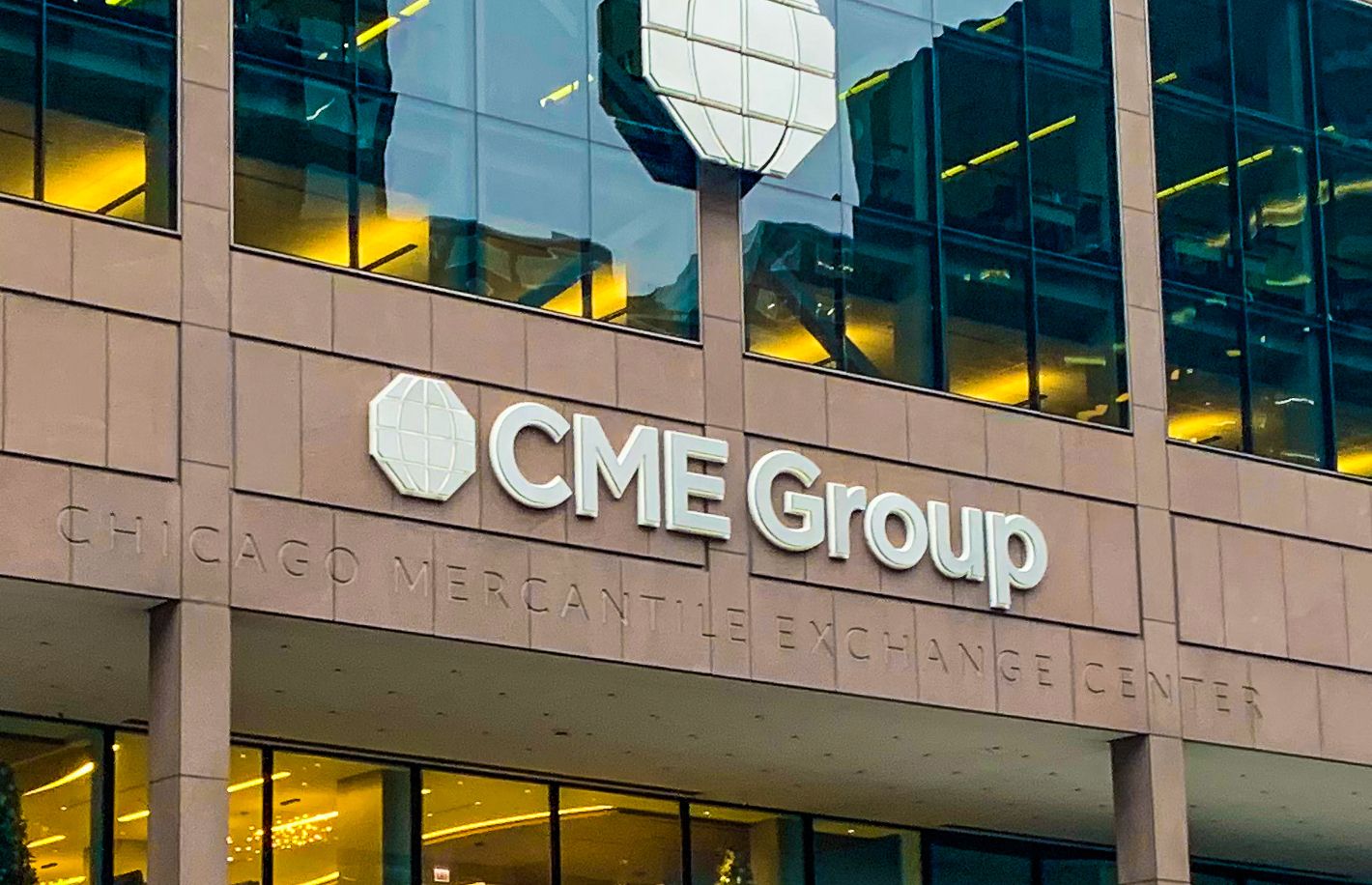
In March 2026, the U.S. Commodity Futures Trading Commission (CFTC) rejected the Chicago Mercantile Exchange’s (CME) legal argument that perpetual futures should be exempt from certain regulatory requirements. The CFTC’s decision highlighted that, despite their “non‑expiring” nature, perpetual contracts are still considered futures under U.S. law and therefore subject to the same oversight as traditional futures products.
What it means for you
If you are looking to earn passive income or speculate on crypto price movements, perpetual futures offer a way to stay exposed without buying the asset outright. However, the regulatory scrutiny means that platforms offering these contracts may need to obtain licenses, implement stricter reporting, and enforce tighter anti‑money‑laundering (AML) controls. As a result, you might see higher fees or limited availability on U.S.‑based exchanges.
Regulation also brings a level of consumer protection. Licensed exchanges must adhere to margin‑maintenance rules, provide clear disclosures about risks, and maintain segregation of customer funds. This can reduce the chance of sudden platform failures, but it does not eliminate the inherent market risk of leveraged trading.
What to check / how to judge
- Licensing and jurisdiction: Verify that the exchange is registered with the CFTC or the relevant regulator in your country.
- Funding rate transparency: Look for platforms that publish historical funding rates so you can gauge typical costs.
- Leverage limits: Choose an exchange that offers leverage levels you understand and can manage.
- Margin and liquidation policies: Read the fine print on how margin calls are handled and what triggers liquidation.
- Security and custody: Even though you don’t hold the underlying crypto, ensure the exchange follows robust security practices and undergoes regular audits.
FAQ
Do I need to own Bitcoin to trade a Bitcoin perpetual future?
No. The contract tracks Bitcoin’s price, but you never receive the actual coin unless you close the position and convert the profit to a spot purchase.
How often is the funding rate paid?
Most exchanges calculate and settle the funding rate every eight hours, but the exact schedule can vary. The rate itself fluctuates based on the price difference between the perpetual contract and the spot market.
Can I lose more than my initial investment?
Yes. With leverage, a rapid adverse price move can trigger a liquidation that wipes out your margin and may leave you owing additional funds, depending on the exchange’s policies.
Will regulation make perpetual futures more expensive?
Potentially. Licensed exchanges may charge higher fees to cover compliance costs, and they might impose stricter leverage caps, which can affect the cost‑benefit balance for traders.
This article references reporting from coindesk.com.