Are you worried that the fast‑moving world of stablecoins could expose your bank account to fraud or sanctions violations? This article explains how financial institutions can assess the risk of stablecoin payments before the money leaves their systems, and what that means for anyone using digital dollars.
The basics of stablecoin risk screening
Stablecoins are digital tokens that aim to keep their value pegged to a fiat currency, such as the U.S. dollar. Because they operate on public blockchains, they inherit the speed and low‑cost benefits of crypto, but they also bring new challenges for traditional payment risk controls.
Traditional fraud detection relies on data like card numbers, merchant codes, and transaction histories. Those data points are easy to collect because they stay within the bank’s own network. Stablecoin payments, however, move on‑chain: a token can hop between multiple wallets, cross different blockchains, and be split into many smaller transfers. This makes it hard to see the full picture using only conventional data.
Stablecoin risk screening combines two sources of information:
- Payment‑origin data. The same details banks already use for card or ACH transactions—sender and receiver identifiers, transaction amount, geographic location, and device fingerprints.
- Blockchain analytics. Real‑time data from the public ledger, such as wallet histories, token flow patterns, and links to known illicit addresses. Specialized analytics firms tag addresses that have been involved in scams, money‑laundering, or sanctions violations.
By merging these streams, a screening engine can assign a risk score to each stablecoin payment before the settlement step. A high score triggers a manual review or an automated block, while a low score lets the transaction proceed smoothly.
Real‑world illustration: Mastercard’s Stablecoin Security
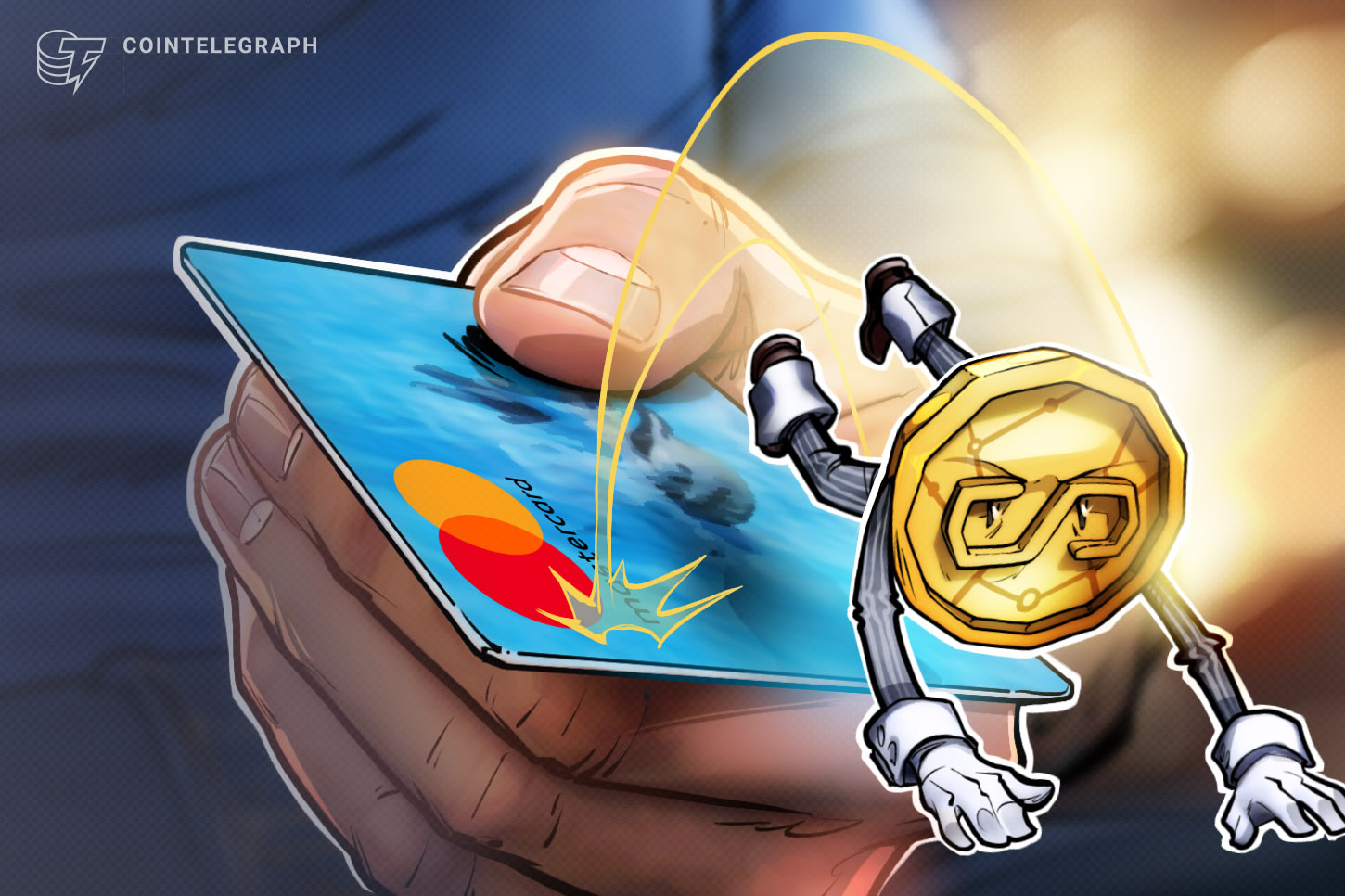
In October 2026, Mastercard announced a new service called Stablecoin Security at the Money20/20 USA conference. The tool blends traditional payment data with blockchain analytics to flag suspicious stablecoin activity before funds move on‑chain, where recovery can be difficult. Initial partners Borderless.xyz and Keyrails provide the blockchain‑analysis component, and the service is slated for global commercial availability in 2027.
What this means for you
If you use a bank that adopts stablecoin screening, you benefit from an extra layer of protection that works even for cross‑border or remittance payments. The screening happens in the background, so most legitimate transfers are unaffected. However, you might experience a brief delay if a transaction is flagged for review. This is similar to the occasional “verification needed” step you see with online card purchases.
For businesses that accept stablecoins, the technology helps maintain compliance with anti‑money‑laundering (AML) and sanctions regulations, reducing the risk of costly fines. For everyday users, it means that the stablecoins you hold are less likely to be tied to illicit activity, preserving the reputation of the digital dollar ecosystem.
How to evaluate a bank’s stablecoin screening
- Check whether the institution discloses its use of blockchain analytics partners. Reputable firms such as Chainalysis, CipherTrace, or the partners named by Mastercard (Borderless.xyz, Keyrails) have transparent methodologies.
- Look for clear policies on false‑positive handling. A good system will have a quick appeal process so legitimate users aren’t stuck waiting.
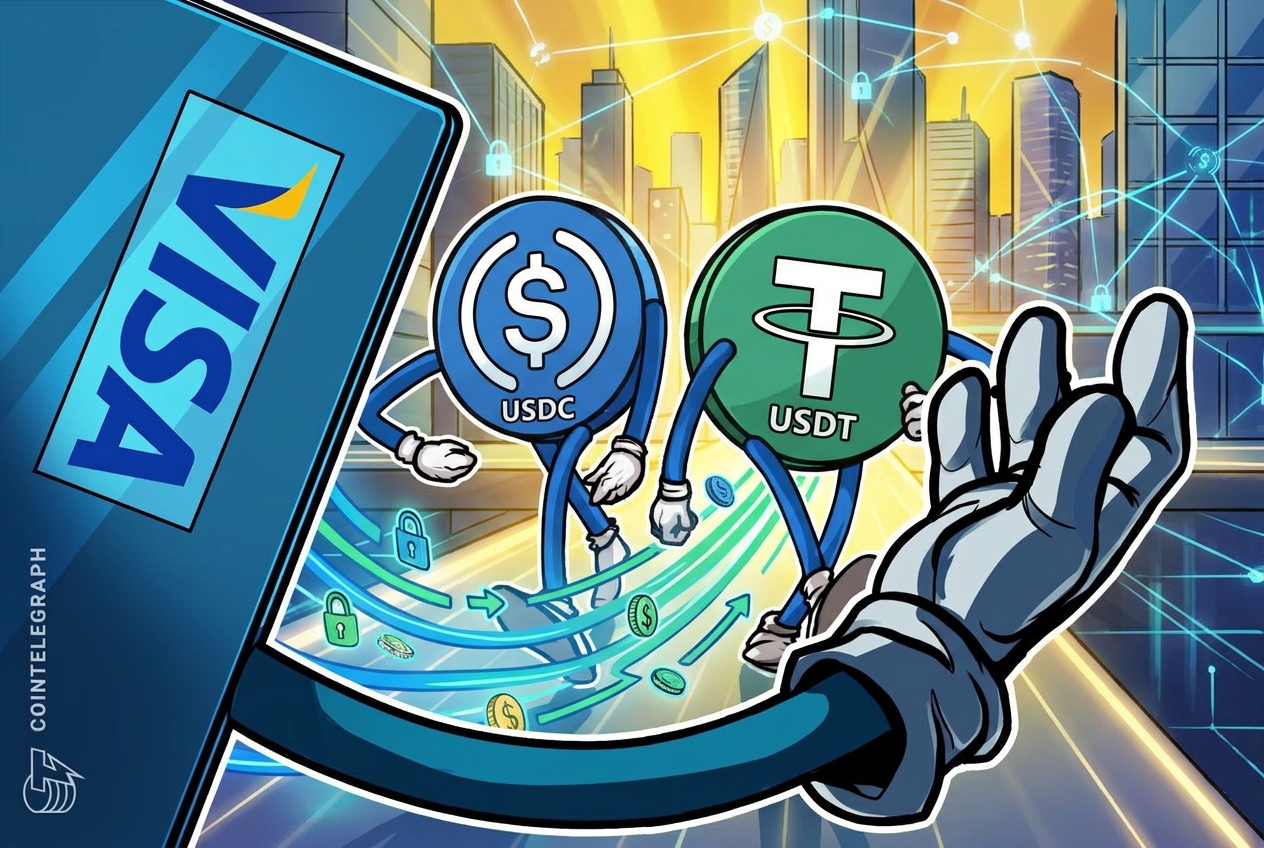
- Confirm that the screening covers the specific stablecoins you use (e.g., USDC, USDT, BUSD). Not all tools support every blockchain.
- Ask about data privacy. The screening should use on‑chain data that is already public; personal identifiers must be protected according to local privacy laws.
FAQ
What is the difference between a stablecoin and a regular cryptocurrency?
Stablecoins are designed to maintain a stable price, usually by being backed 1:1 with a fiat currency. Regular cryptocurrencies like Bitcoin can experience large price swings.
Can a stablecoin transaction be reversed if it’s flagged as risky?
Once a token moves on‑chain, it cannot be undone. Screening aims to stop risky transactions before they settle, but if a transaction is already on the blockchain, recovery depends on the cooperation of the receiving wallet and any intermediaries.
Do I need to do anything extra to benefit from stablecoin screening?
No. The screening runs automatically on the bank’s side. You may only notice a brief pause if a transaction is flagged for additional verification.
Is stablecoin screening only for large banks?
While big institutions are early adopters, many fintechs and smaller banks are integrating third‑party analytics solutions, making the technology increasingly accessible across the industry.
This article references reporting from cointelegraph.com.