Ever wondered how you can use the crypto in your digital wallet to buy a coffee, pay for a ride, or shop online without converting it to cash first? This article explains the mechanics behind crypto‑enabled card payments, what happens behind the scenes, and how you can safely take advantage of this option.
What a crypto‑enabled payment actually is
When you tap a card or scan a QR code at a checkout, the merchant’s point‑of‑sale (POS) system sends a payment request to the card network—Visa, Mastercard, or another processor. The network then routes the request to the card‑issuing bank, which debits your account and transfers the funds to the merchant’s acquiring bank. The whole process happens in seconds and the merchant never sees your personal bank details.
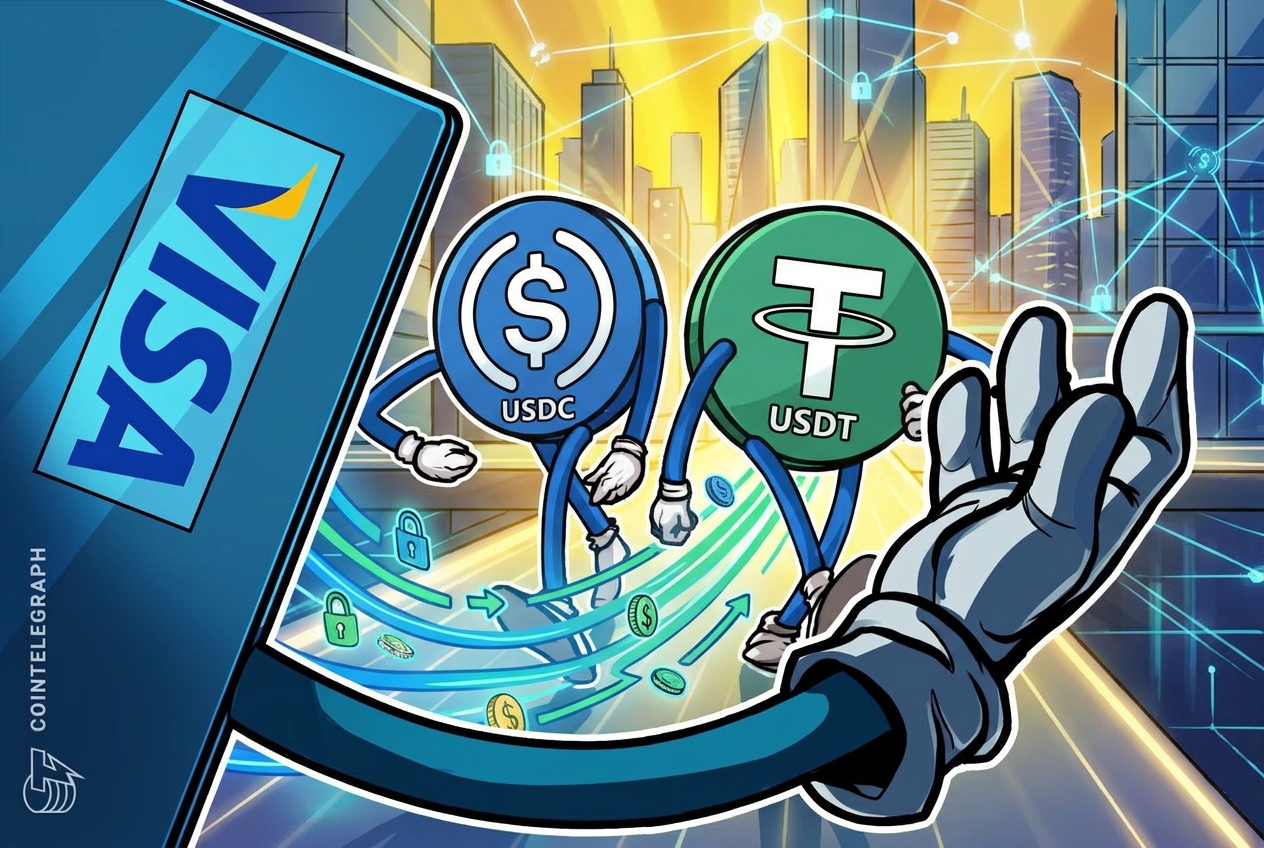
Crypto‑enabled payments follow the same flow, but an extra conversion step is added. Instead of pulling money from a traditional bank account, the payment processor (in this case a service like Mesh) pulls the required amount of cryptocurrency or stablecoin from your digital wallet, swaps it for the local fiat currency (such as USD, EUR, or JPY), and then feeds that fiat into the Visa network as if it came from a regular debit or credit card. The merchant receives the payment in its usual fiat currency, and you never need to manually exchange your crypto.
Key terms:
- Digital wallet: An app or hardware device that stores your private keys and lets you manage crypto balances.
- Stablecoin: A cryptocurrency designed to hold a stable value, usually pegged to a fiat currency like the US dollar.
- Conversion: The process of swapping one asset for another, typically done on a cryptocurrency exchange or through a liquidity provider.
- KYC (Know Your Customer): Verification procedures that confirm a user’s identity to comply with anti‑money‑laundering regulations.
Real‑world illustration
In October 2026, Visa announced a partnership with the crypto payments network Mesh. The collaboration allows users of participating wallets to spend cryptocurrencies and stablecoins directly at any of Visa’s 175 million merchant locations worldwide, without needing a separate crypto card. Mesh handles the transaction funding, conversion between crypto, stablecoins, and fiat, and the KYC onboarding, while Visa processes the payment through its existing infrastructure. This example shows how a third‑party service can bridge the gap between decentralized assets and the traditional payment ecosystem.
What it means for you
With a crypto‑enabled payment solution, you can keep your assets in a wallet and spend them instantly, just like a regular debit card. This reduces the friction of moving funds to a bank, potentially lowering transaction fees and speeding up purchases. It also lets you use stablecoins to avoid the price volatility of assets like Bitcoin while still benefiting from the ease of digital ownership.
However, you remain exposed to the conversion rate at the moment of purchase. If the crypto you hold loses value against the fiat currency, you may end up paying more in crypto terms than you expected. Additionally, the service provider may charge a markup or fee for the conversion and processing.
What to check before you start
- Supported wallets and assets: Verify that your preferred wallet app is part of the integration and that the specific cryptocurrencies or stablecoins you hold are accepted.
- Conversion fees: Look for transparent fee schedules. Some providers charge a flat percentage, others add a spread to the market rate.
- KYC requirements: Ensure you are comfortable with the identity verification process, as this is mandatory for most regulated payment services.
- Security reputation: Research the provider’s security track record, including any past breaches or audits.
- Merchant acceptance: While Visa’s network is broad, some merchants may still decline crypto‑linked cards if they have internal restrictions.
FAQ
Will my crypto balance be frozen during a purchase?
No. The payment processor instantly locks the exact amount needed for the transaction, converts it to fiat, and releases the remainder back to your wallet.
Do I need a physical card to use crypto payments?
Not necessarily. Many integrations work through mobile wallets that generate a virtual card number, allowing contactless or online payments directly from the app.
What happens if the crypto price drops right after I make a purchase?
The conversion is performed at the moment the transaction is authorized, so the amount you pay is fixed at that rate. Subsequent price changes do not affect the completed purchase.
Are there any tax implications?
Yes. Converting crypto to fiat for a purchase is generally considered a taxable event in many jurisdictions, meaning you may need to report any capital gains or losses incurred during the conversion.
This article references reporting from cointelegraph.com.