
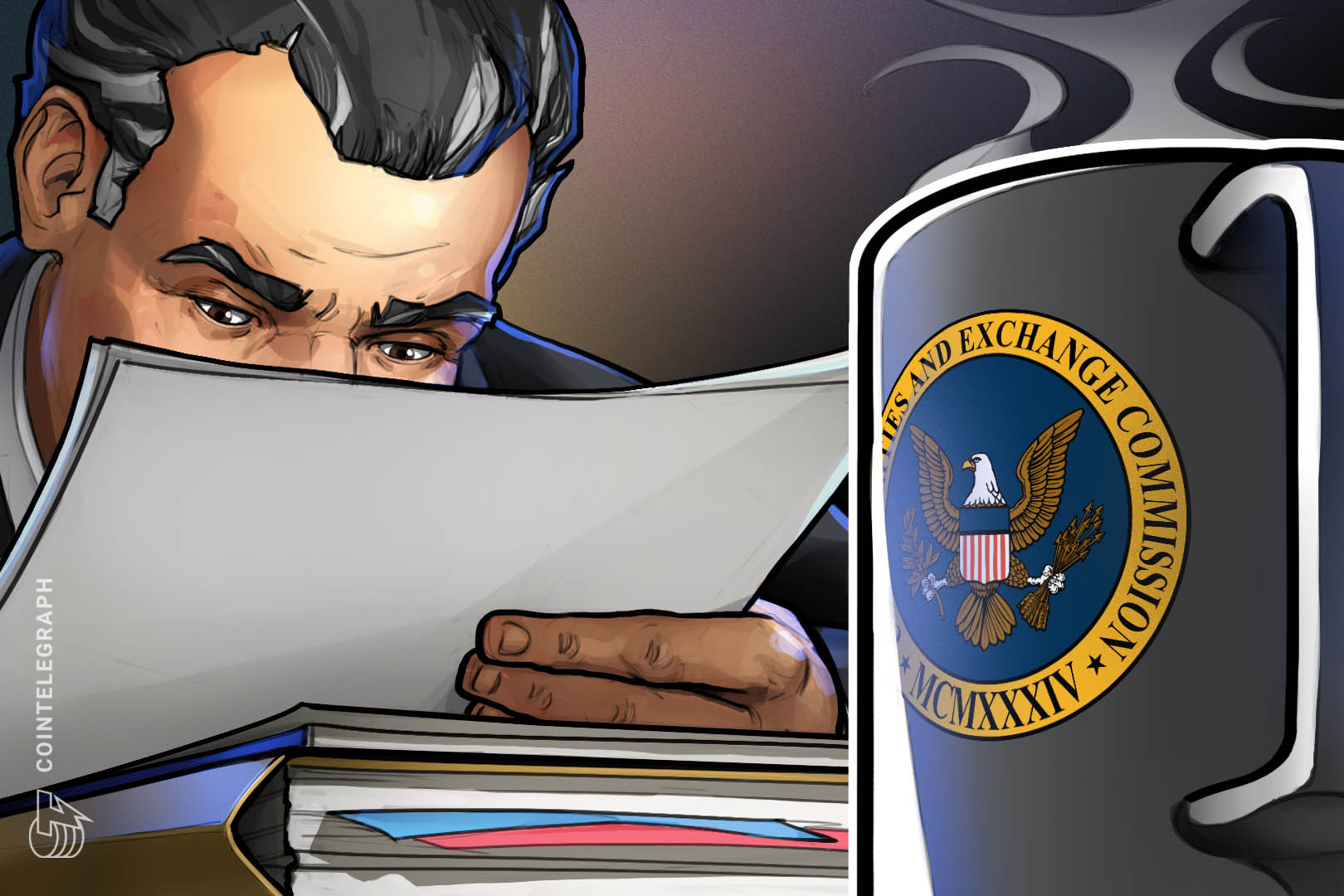
Are you wondering how new U.S. rules might change the way you buy, sell, or earn from crypto assets? This article explains what the SEC’s proposed “Regulation Crypto Assets” framework is, how it works, and what it means for anyone looking to earn passive income or invest in digital tokens.
What the SEC’s crypto regulation framework actually is
The U.S. Securities and Exchange Commission (SEC) is the federal agency that oversees securities markets. When it says a digital token is an “investment contract,” that token is treated like a traditional security—subject to registration, disclosure, and reporting requirements. In August 2025 the SEC released a draft set of rules called “Regulation Crypto Assets.” The goal is to create a “clear and fit‑for‑purpose framework for certain investment contracts involving crypto assets.”
Key components of the proposal include:
- Safe‑harbor definition. The SEC wants to carve out a narrow category of tokens that would not be considered securities if they meet specific criteria, such as being used primarily for network utility rather than profit‑sharing.
- Disclosure standards. Issuers of tokens that remain classified as securities would need to provide detailed information similar to a prospectus, covering the token’s purpose, the rights of holders, and any associated risks.
- Exemption thresholds. Companies could offer tokens up to a certain dollar amount without full registration, provided they meet limited reporting obligations.
- Data‑structure definitions. The rules aim to define technical terms unique to crypto—like “smart contract,” “tokenomics,” and “on‑chain governance”—so that disclosures are consistent and understandable.
By setting these standards, the SEC hopes to protect investors from fraud while giving legitimate projects a clearer path to compliance.
Real‑world illustration
In October 2026, the SEC closed a 60‑day public comment period on the proposal, having received about 140 submissions from industry groups, legal experts, and individual participants. The MiCA Crypto Alliance, which helps firms adopt the EU’s digital‑asset framework, praised the SEC’s move toward clearer disclosure requirements and suggested refinements to the technical definitions. Meanwhile, investors like SkyBridge Capital founder Anthony Scaramucci voiced support, saying the rules reflect “organic adoption” and restore the agency’s proper role after Congress failed to pass the CLARITY Act.
What this means for you
If you earn passive income through staking, cloud mining, or yield‑farm platforms, the regulatory outcome will affect how transparent those services must be. A token that is deemed a security will require the provider to publish a prospectus, disclose how rewards are generated, and maintain ongoing reporting. This can increase confidence that the platform is not a hidden pyramid scheme, but it may also add compliance costs that could be passed on to users.
For traders, clearer rules mean that the classification of a token (security vs. utility) will be more predictable. This reduces the risk of sudden delistings from regulated exchanges, which can happen when a token is retroactively deemed a security.
For developers launching new projects, understanding the safe‑harbor criteria can help shape token design—focusing on network functionality rather than profit distribution—to stay outside the security regime.
How to evaluate a crypto offering under the new framework
- Check the token’s purpose. Is it primarily used to access a service (utility) or does it promise a share of profits (security)?
- Read the disclosure documents. Look for a prospectus or similar filing that explains token economics, risks, and the rights of holders.
- Verify exemption status. If the offering is small, confirm whether it falls under the exemption thresholds and what reporting obligations remain.
- Assess the issuer’s compliance track record. Companies that have previously filed with the SEC are more likely to adapt quickly to new rules.
- Watch for clear definitions. The SEC’s final rules will include specific language for terms like “smart contract” and “on‑chain governance.” Ensure the offering uses these definitions consistently.
FAQ
Q: Will all crypto tokens become securities?
A: No. The SEC’s proposal creates a narrow safe‑harbor for tokens that function mainly as network utilities. Only tokens that meet the defined criteria will be exempt; the rest will be treated as securities and subject to disclosure rules.
Q: How will the new rules affect staking rewards?
A: If the staking token is classified as a security, the platform must disclose how rewards are calculated, any fees, and the risks involved. This transparency can help you assess whether the reward rate is sustainable.
Q: Do I need to file anything as an individual investor?
A: Generally, individual investors do not need to file with the SEC. Your responsibility is to review the issuer’s disclosures and ensure the offering complies with the regulations before investing.
Q: What if a token I own is later re‑classified as a security?
A: The issuer would need to comply with registration or exemption requirements, which could affect trading availability. In some cases, the token might be moved to a regulated exchange, or the issuer might offer a buy‑back to comply with securities laws.
This article references reporting from cointelegraph.com.



Вы мечтаете о уютном и экологически чистом жилище? Рассмотрите возможность строительства строительство каркасных домов спб — современные решения, которые идеально подходят для комфортной жизни в Санкт-Петербурге.
Строительство каркасных домов набирает популярность среди людей, выбирающих современные технологии .
Одним из ключевых преимуществ таких домов является быстрая реализация и умеренный бюджет.
Главный элемент конструкции — каркас, созданный из дерева, металла или другого материала .
Такая конструкция обеспечивает хорошую теплоизоляцию и звукоизоляцию .
Эти здания можно использовать в различных климатах, благодаря их универсальности и современным материалам .
Наружная отделка, в свою очередь, служит дополнительной защитой и придает дому эстетичный вид.
Благодаря современным технологиям, строительство каркасных домов занимает намного меньше времени, чем традиционные.
Уход за каркасным домом предполагает регулярную проверку и обслуживание его внешних элементов .
Такой вид строительства идеально подходит для тех, кто хочет быстро получить уютный и надежный дом.