Are you wondering why Bitcoin’s price swings seem to affect your mining earnings, or how you can tell if mining is still worthwhile? This article explains the key factors that determine Bitcoin mining profitability and gives you practical steps to evaluate whether mining makes sense for you.
What mining profitability really is
Bitcoin mining is the process of using computer hardware to solve cryptographic puzzles, which secures the network and creates new coins. When a miner finds a valid solution, they receive a block reward – currently 6.25 BTC – plus any transaction fees included in that block. Profitability is the difference between the revenue earned from these rewards and the costs incurred to run the hardware.
The main cost components are:
- Electricity: Power is the biggest ongoing expense because mining hardware consumes a lot of energy.
- Hardware depreciation: Mining rigs lose value over time as newer, more efficient models appear.
- Cooling and maintenance: Keeping equipment at optimal temperatures and fixing failures also cost money.
Revenue depends on three variables:
- Bitcoin price: The higher the market price of BTC, the more valuable each block reward becomes.
- Network difficulty: This is a measure of how hard it is to find a block. Difficulty adjusts roughly every two weeks to keep the average block time at 10 minutes, rising when many miners join and falling when miners leave.
- Transaction fees: Fees paid by users to have their transactions confirmed. When the network is busy, fees can add a noticeable amount to a miner’s earnings.
Because these variables change constantly, mining profitability is never static. A miner must continuously compare expected revenue against ongoing costs to decide whether to keep mining, upgrade hardware, or shut down.
Real‑world illustration
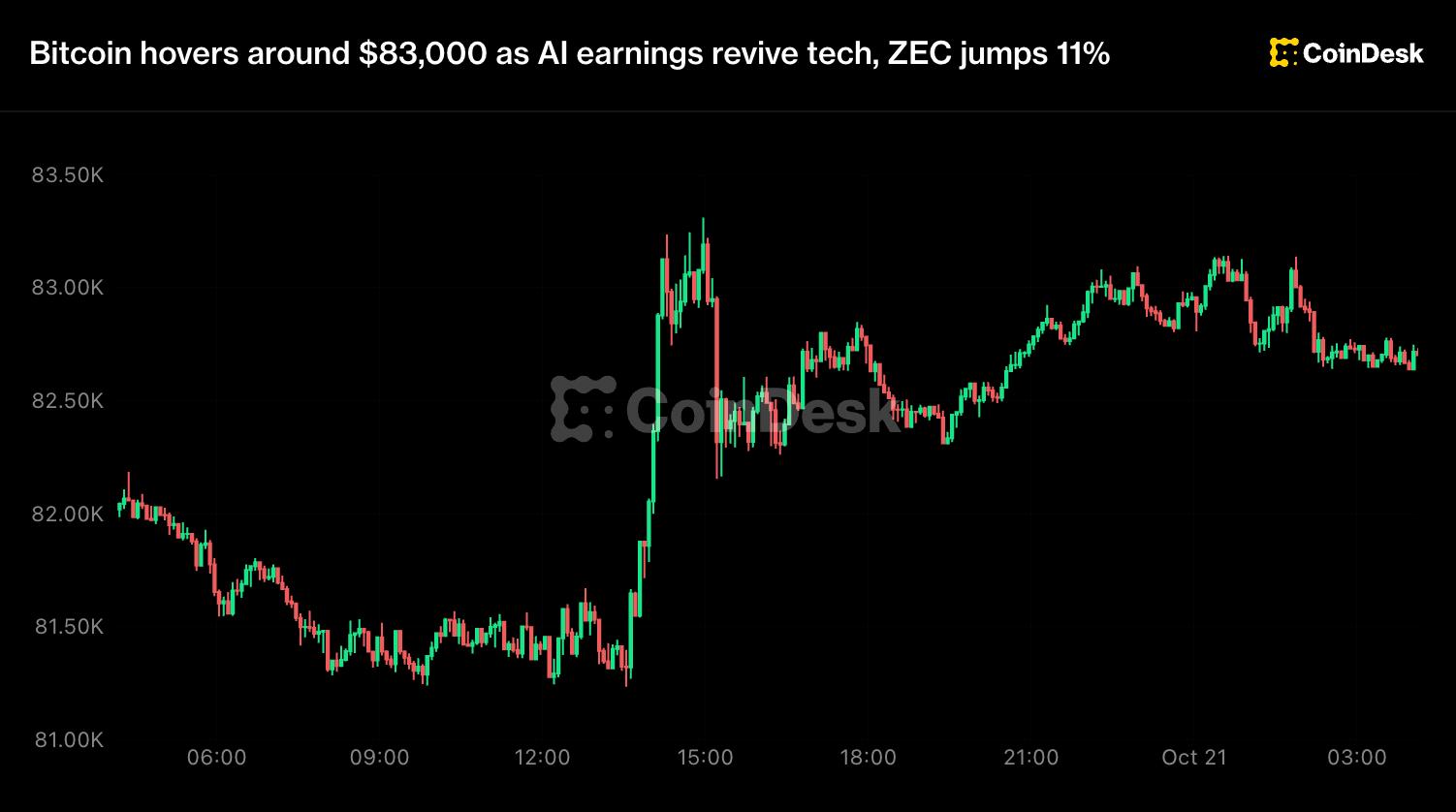
In March 2026, Bitcoin hovered around $83,000 while AI‑driven earnings reports boosted technology stocks. The higher BTC price increased the dollar value of each block reward, but the network’s difficulty also rose as more miners entered the market to chase those gains. This example shows how price and difficulty move together, creating a shifting profitability landscape for anyone with mining equipment.
What it means for you
If you are considering mining as a source of passive income, the key takeaway is that profitability hinges on more than just the current Bitcoin price. You need to assess:
- Whether your electricity rate is low enough to keep operating costs below the expected revenue.
- How efficient your hardware is compared to the latest models on the market.
- How long you plan to run the equipment, because the break‑even point can be several months or years.
Platforms such as EcoPool offer cloud‑based mining contracts that let you earn a share of the network’s rewards without buying physical hardware. Even with such services, the same profitability principles apply: the contract price, the pool’s fee structure, and the underlying hardware efficiency all affect your net earnings.
What to check before you start
- Electricity cost: Calculate your cost per kilowatt‑hour (kWh). Mining is typically profitable only when this cost is below the revenue generated per kWh of hash power.
- Hardware efficiency: Look at the hash rate (how many calculations per second) divided by power consumption, expressed as joules per terahash (J/TH). More efficient rigs earn more BTC for the same electricity.
- Break‑even horizon: Use a mining profitability calculator to estimate how many months it will take to recoup your initial investment.
- Pool fees: If you join a mining pool, check the fee percentage (often 1‑2 %). Pools also provide more steady payouts than solo mining.
- Regulatory environment: Ensure that mining is permitted in your jurisdiction and that you understand any tax obligations.
FAQ
Is mining still profitable if Bitcoin’s price falls?
Profitability can survive a price drop if your electricity cost is very low and you use highly efficient hardware. However, a sustained decline will eventually erode margins, especially as network difficulty continues to adjust upward.
Can I mine profitably with a regular home computer?
Modern Bitcoin mining requires specialized ASIC (Application‑Specific Integrated Circuit) machines. A typical desktop CPU or GPU cannot compete with ASICs and will not be profitable.
How do transaction fees affect my earnings?
Fees add extra revenue on top of the block reward. During periods of high network activity, fees can increase substantially, boosting profitability. Conversely, when activity is low, fees contribute little.
What risks should I be aware of?
Risks include volatile Bitcoin prices, rising network difficulty, hardware failure, and potential regulatory changes that could restrict mining operations. Always treat mining earnings as uncertain and never invest money you cannot afford to lose.
This article references reporting from coindesk.com.