Wondering how to keep your digital assets secure while you earn passive income or trade? This article explains what crypto custody is, how custodial services protect your coins, and what factors you should evaluate before trusting a provider.
The plain explanation
Crypto custody refers to the storage and safeguarding of cryptocurrencies on behalf of an owner. Unlike a traditional wallet that you control with a private key, a custodial service holds the keys for you. The service is responsible for protecting the assets against theft, loss, and technical failures.
There are two main types of custody:
- Hot custody – assets are stored on servers that are connected to the internet. This allows quick access for trading or earning activities, but it also exposes the funds to online attacks.
- Cold custody – assets are kept offline, often on hardware devices or paper backups. Cold storage is much harder for hackers to reach, though it can be slower to move funds.
Custodians use a combination of encryption, multi‑signature (multi‑sig) technology, and strict operational controls. Multi‑sig means that multiple independent keys must sign a transaction before funds can leave the vault, reducing the risk that a single compromised key can be used to steal assets.
Regulatory compliance is another pillar of modern custody. Many providers register with financial authorities, implement Know‑Your‑Customer (KYC) and Anti‑Money‑Laundering (AML) procedures, and undergo regular audits. These steps aim to protect both the custodian and its clients from legal and financial risks.
A real example
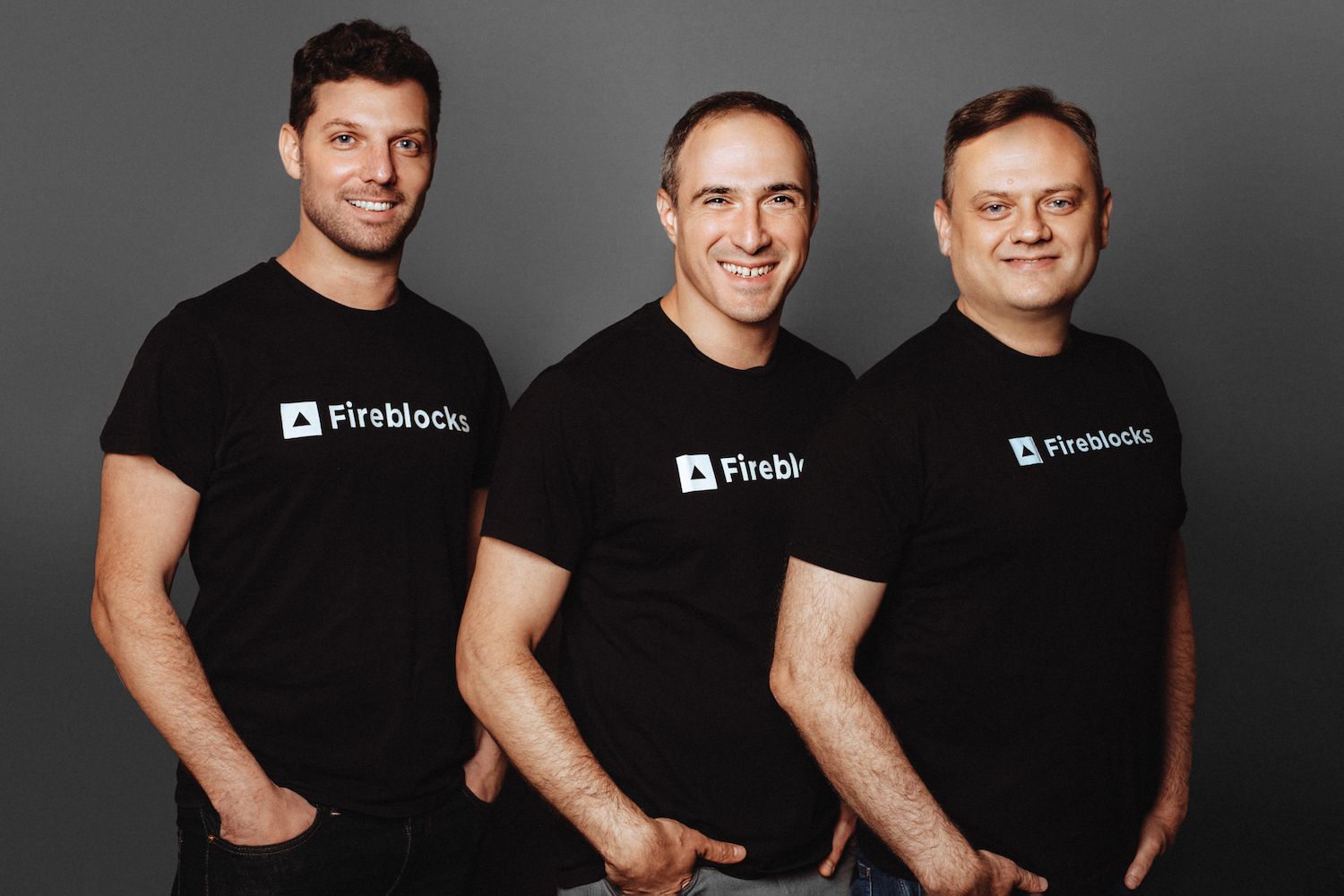
In March 2024, crypto‑custody specialist Fireblocks publicly denied rumors that it was in acquisition talks with payment giant Visa. The denial highlighted how custody firms are frequently the subject of speculation, partly because their security reputation directly impacts the confidence of institutional and retail users. Fireblocks’ response reinforced its focus on building robust security infrastructure rather than pursuing a merger.
What it means for you
If you want to earn through staking, yield farming, or cloud mining, you will likely need to store your tokens somewhere safe while they generate rewards. Using a reputable custodial service can:
- Reduce the risk of losing private keys through human error.
- Provide insurance or indemnity coverage for certain loss scenarios.
- Offer streamlined integration with earning platforms, making it easier to move assets into and out of reward programs.
However, entrusting a third party also means you rely on their security practices and financial stability. A breach or insolvency could temporarily freeze or even permanently lose your funds.
What to check / how to judge
- Security architecture: Look for multi‑sig wallets, hardware security modules (HSMs), and regular penetration testing.
- Regulatory status: Verify whether the custodian is registered with relevant authorities and follows KYC/AML rules.
- Insurance coverage: Understand what types of loss are covered, the limits, and any exclusions.
- Audit history: Check for third‑party audits or certifications such as SOC 2, ISO 27001, or blockchain‑specific attestations.
- Transparency: Providers should publish clear service level agreements (SLAs), fee structures, and incident response plans.
- Reputation: Research community feedback, past security incidents, and how the custodian handled them.
FAQ
Is a custodial wallet safer than a non‑custodial one?
It depends on your ability to manage private keys. Custodial wallets add professional security layers, but they also introduce a single point of failure if the provider is compromised.
Can I still earn rewards while my assets are in custody?
Many custodians partner with staking or DeFi platforms, allowing you to delegate or lock assets directly from their interface. Verify that the earning service is supported before depositing.
What happens if the custodian goes bankrupt?
Regulated custodians often segregate client assets from their own balance, which can protect users in insolvency cases. However, recovery may be delayed, and insurance limits could apply.
Do I need to complete KYC to use a custodial service?
Most reputable custodians require KYC and AML verification to comply with regulations. This process helps prevent illicit activity but also means your identity is linked to your crypto holdings.
This article references reporting from coindesk.com.