
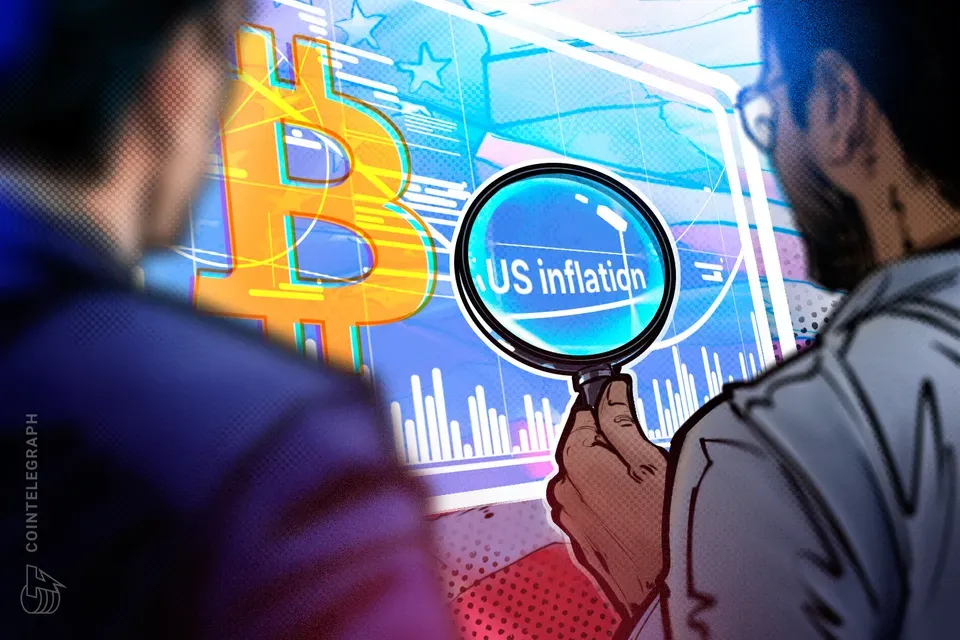
Do you wonder why a government report on consumer prices can send Bitcoin’s price swinging? This article explains how inflation numbers affect the cryptocurrency market, what drives those price moves, and how you can keep your earning strategy steady when macro data shifts.
The basics: inflation, interest rates, and crypto
Inflation measures how quickly the overall price level of goods and services rises. In the United States, the most watched indicator is the Consumer Price Index (CPI), which tracks month‑to‑month changes in a basket of everyday items. When CPI comes in higher than expected, it signals that prices are climbing faster than the central bank— the Federal Reserve— would like.
The Fed reacts to higher inflation by raising its benchmark interest rate. A higher rate makes borrowing more expensive, slows spending, and generally cools the economy. For investors, higher rates also raise the return on safe assets such as Treasury bonds, making riskier assets like stocks and cryptocurrencies less attractive.
Bitcoin, while not directly tied to any economy, is still a traded asset that reacts to the same risk‑on / risk‑off dynamics. When inflation surprises on the upside, markets often anticipate tighter monetary policy, which can trigger a sell‑off in assets that are perceived as speculative.
Real‑world illustration
On 10 November 2026, the U.S. Bureau of Labor Statistics released the October CPI report. The index rose 0.4 % month‑on‑month, beating the 0.3 % forecast. Although the year‑on‑year component was unavailable due to a prior data‑collection gap, the report showed a slowdown in energy price growth—from 5.2 % in September to 0.7 % in October.
Traders interpreted the higher‑than‑expected CPI as a sign that the Fed would likely raise its policy rate by a quarter point at the December meeting. The market priced an 85.3 % chance of a 25‑basis‑point hike. In response, Bitcoin fell to $73,518, its lowest level in 11 weeks, before briefly climbing back above $74,000.
What this means for you
If you earn passive income through Bitcoin holdings, staking, or cloud‑mining contracts, a sudden price dip can affect the dollar value of your rewards. The underlying protocol still generates the same number of new coins, but the fiat‑denominated earnings shrink when the market price falls.
Understanding the macro link helps you avoid panic selling. Instead of reacting to each CPI release, you can plan for volatility by:
- Setting a realistic target price range for your holdings.
- Keeping a portion of earnings in stable assets (e.g., stablecoins) to preserve purchasing power during sharp moves.
- Considering diversified exposure—combining Bitcoin with other crypto assets that may react differently to interest‑rate expectations.
How to evaluate the impact of inflation data
When a CPI report is released, follow these steps before making a trade:
- Check the headline number. Compare the month‑on‑month and year‑on‑year changes to analysts’ expectations.
- Read the Fed’s reaction. Look for statements from Fed officials or the CME Group’s FedWatch Tool, which shows market‑priced probabilities of rate hikes.
- Assess market sentiment. High put/call ratios on equity indices often signal a risk‑off mood that can spill over to crypto.
- Look at the composition. Identify which CPI components (shelter, food, energy) drove the surprise; energy spikes, for example, may be temporary.
- Adjust your exposure. If the data suggests a tighter monetary stance, consider reducing leverage or increasing your hedge in stablecoins.
FAQ
Why does a higher CPI make Bitcoin price fall?
Higher CPI usually leads to expectations of higher interest rates. Higher rates raise the yield on safe assets, making riskier assets like Bitcoin less appealing, so investors sell, pushing the price down.
Can Bitcoin ever rise when inflation is high?
Yes. If investors believe Bitcoin is a hedge against fiat‑currency depreciation, they may buy it despite higher rates. The reaction depends on market perception of Bitcoin’s role at the time.
Should I stop mining or staking when the price drops?
Mining and staking rewards are paid in the native coin, not fiat. A price drop reduces the dollar value of those rewards, but the underlying protocol still issues the same amount. Evaluate whether the reduced fiat return still covers your costs before deciding to pause.
How often should I check macro data?
Major releases—U.S. CPI, Fed minutes, and key employment reports—occur monthly or quarterly. Monitoring these on a schedule (e.g., the first week after each release) helps you stay informed without being overwhelmed.
This article references reporting from cointelegraph.com.





