
Wondering why Bitcoin sometimes moves in tandem with stock markets or why a sudden surge of money can push the price up or down? This article explains how exchange‑traded funds (ETFs) that hold Bitcoin affect its price and what that means for anyone trying to earn or invest in crypto.
What a Bitcoin ETF Is and How It Works
An exchange‑traded fund (ETF) is an investment vehicle that pools money from many investors to buy a basket of assets. A Bitcoin ETF does exactly that, but the basket consists of Bitcoin or Bitcoin‑related derivatives. When you buy a share of a Bitcoin ETF, you are not buying the cryptocurrency directly; instead, you own a small piece of the fund that holds Bitcoin on your behalf.
Because ETFs trade on traditional stock exchanges, they are subject to the same market mechanisms as stocks: supply and demand on the exchange determine the share price, and investors can buy or sell shares throughout the trading day. The fund’s net asset value (NAV) reflects the total value of the Bitcoin it holds, divided by the number of shares outstanding. Ideally, the ETF’s market price tracks the NAV closely, but large inflows (more money entering the fund) or outflows (money leaving) can create short‑term price pressure.
Key terms:
- Inflows: New capital that investors put into the ETF, causing the fund to buy more Bitcoin.
- Outflows: Capital that investors withdraw, forcing the fund to sell Bitcoin.
- Liquidity: How easily an asset can be bought or sold without affecting its price. Bitcoin’s liquidity varies across exchanges, while ETF shares usually have high liquidity because they trade on regulated markets.
Why ETF Flows Matter for Bitcoin’s Price
When an ETF receives large inflows, the fund manager must purchase additional Bitcoin to keep the fund’s holdings in line with the new cash. This buying pressure can push the market price of Bitcoin higher, especially if the broader market is not as liquid. Conversely, when outflows occur, the fund sells Bitcoin, adding selling pressure that can drive the price down.
ETF flows also signal investor sentiment. Consistent inflows suggest confidence in Bitcoin’s outlook, while sustained outflows may indicate fear or a shift to other assets. Because ETFs are accessible to traditional investors—retail, institutional, and retirement accounts—their flows can amplify market moves that might otherwise be limited to crypto‑only participants.
Real‑World Illustration
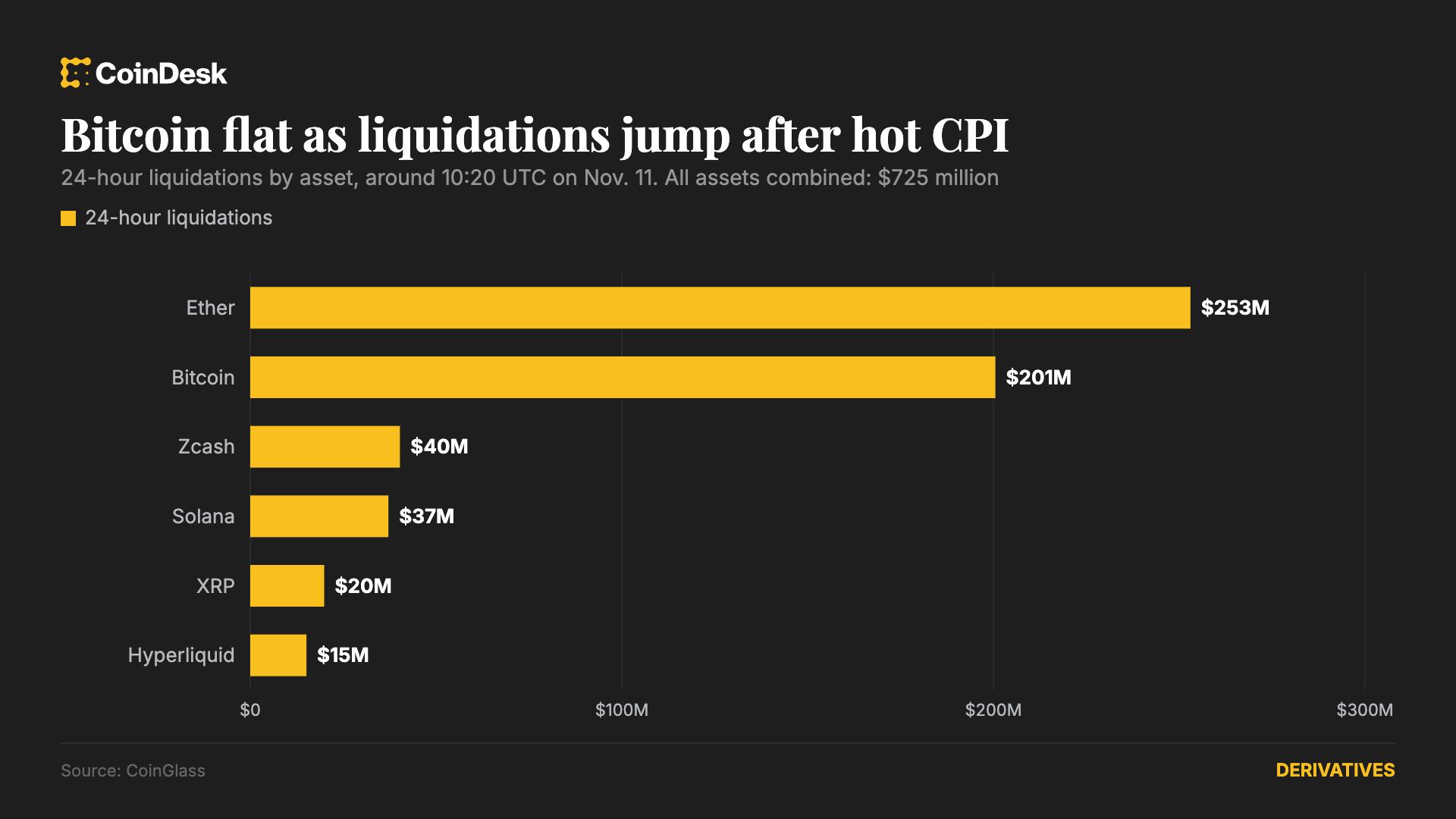
In March 2026, Bitcoin held steady near $74,000 while U.S. inflation data raised the odds of a Federal Reserve rate hike to about 90%. During the same period, Bitcoin ETF outflows extended to a fourth consecutive day, and liquidations spiked. The continued outflows forced the ETF to sell Bitcoin, adding to market supply and contributing to the price’s flat or slightly downward pressure despite broader market optimism.
What It Means for You
If you are looking to earn passive income from Bitcoin—through staking, mining, or cloud‑based rewards—ETF flows can affect the value of the underlying asset you are earning on. A series of outflows could depress Bitcoin’s price, reducing the dollar value of any rewards you receive. Conversely, strong inflows can lift the price, increasing the fiat value of your earnings.
For traders, monitoring ETF inflow and outflow data provides an additional indicator of short‑term market direction. Large, sudden outflows may precede price dips, while big inflows can foreshadow upward moves. However, ETF activity is just one piece of the puzzle; it should be combined with other signals such as on‑chain metrics, macroeconomic news, and technical analysis.
How to Evaluate ETF Impact
When assessing whether ETF activity is likely to affect your crypto earnings, consider the following steps:
- Check flow reports: Many financial data providers publish daily net inflow/outflow figures for Bitcoin ETFs.
- Compare to Bitcoin’s trading volume: If ETF flows represent a significant portion of daily Bitcoin volume, the price impact will be larger.
- Watch the NAV premium/discount: A widening gap between the ETF’s market price and its NAV can signal market stress.
- Assess broader sentiment: Combine ETF data with other sentiment indicators like Google search trends or social media buzz.
- Consider your time horizon: Short‑term traders may react to ETF flows, while long‑term earners might view them as noise.
FAQ
Do Bitcoin ETFs own the actual cryptocurrency?
Most Bitcoin ETFs hold actual Bitcoin in cold storage, but some use futures contracts or other derivatives. The fund’s prospectus will specify the exact holdings.
Can I buy a Bitcoin ETF if I don’t own any crypto?
Yes. Because ETFs trade on regulated exchanges, you can purchase shares through a standard brokerage account without needing a crypto wallet.
Will ETF inflows always push Bitcoin’s price up?
Not necessarily. While inflows create buying pressure, the overall market context matters. If the broader market is bearish, inflows may only offset some of the downward pressure.
How often do ETF flows change?
Flows are reported daily, but significant shifts often occur after major news events, earnings releases, or macroeconomic data releases.
This article references reporting from coindesk.com.





