Are you wondering whether a crypto wallet you plan to use can be trusted for the long term? This article explains how self‑custodial wallets work, what can cause them to disappear, and what you should look for before committing your funds.
What a self‑custodial wallet actually is
A self‑custodial wallet is a software tool that lets you store, send, and receive cryptocurrencies without handing over control of your private keys to a third party. The term “self‑custodial” means you alone are responsible for safeguarding the secret codes (private keys) that unlock your assets. If you lose those keys, you lose access to your funds.
Technical terms:
- Private key – a long, random string of data that proves ownership of a blockchain address. It must never be shared.
- Public address – the readable string derived from a private key that others use to send you tokens.
- API – Application Programming Interface; a set of rules that lets other software interact with the wallet’s services, such as checking balances or broadcasting transactions.
- DeFi – Decentralized Finance; financial services built on blockchain networks that operate without traditional intermediaries.
Self‑custodial wallets can be “mobile” (apps on your phone), “desktop” (programs on a computer), or “hardware” (physical devices that store keys offline). They differ from custodial wallets, where a company holds the keys on your behalf, similar to a bank holding your money.
Why self‑custodial wallets sometimes shut down
Even though the core technology of a wallet is just software, the service surrounding it often incurs ongoing costs. Developers must pay for server infrastructure, API maintenance, security audits, and support staff. If the wallet’s user base shrinks or the underlying blockchain becomes less economically viable, those costs can outweigh the revenue the project generates.
Other reasons for a shutdown include:
- Network instability – frequent blockchain outages can increase operational complexity and raise the risk of lost transactions.
- Security incidents – a breach or exploit can erode user trust, prompting developers to abandon the project.
- Regulatory pressure – new rules may make it costly to remain compliant.
- Technical debt – if a wallet is built on a newer or less mature blockchain, maintaining compatibility can become prohibitively expensive.
Real‑world illustration: Suiet wallet shutdown
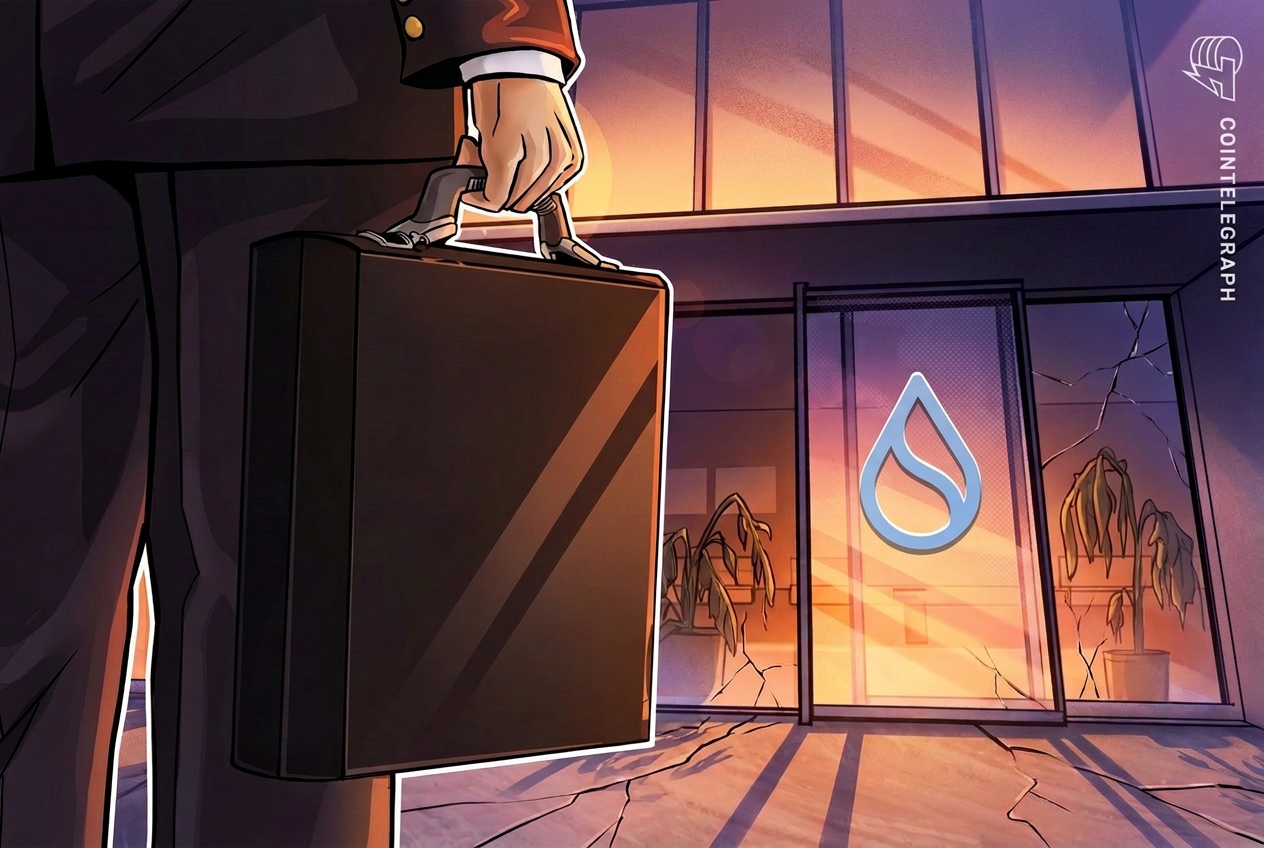
In November 2026, the self‑custodial wallet Suiet announced that it would cease updating and supporting its application, with its API services scheduled to end after November 14, 2026. Suiet was built for the Sui blockchain, a platform that had seen a steep decline in DeFi activity. During the month leading up to the shutdown, Sui’s total value locked (TVL) fell more than 22%, and daily active users dropped from about 601,000 in November 2025 to roughly 128,000 in October 2026—a 79% decrease.
These metrics illustrate the economic pressures that can force a wallet team to close. The decline in user volume reduced transaction fees and other revenue streams that might have covered server and development costs. Additionally, Sui experienced several network outages in 2026, adding operational headaches for wallet providers.
What this means for you as an online earner
If you rely on a self‑custodial wallet to receive rewards from mining, staking, or other crypto‑earning activities, a sudden shutdown can leave you scrambling to move assets before the API disappears. Because you control the private keys, you can always export them to another wallet, but the process requires technical knowledge and timely action.
Furthermore, a wallet’s disappearance may signal broader health issues in the ecosystem it serves. If the underlying blockchain is losing users, the opportunities for earning passive income—such as DeFi yields or token incentives—may also be diminishing.
How to evaluate a wallet before you trust it
- Check the team’s track record: Look for developers with experience on multiple projects and transparent communication channels.
- Assess the blockchain’s health: Review metrics like total value locked, daily active users, and recent outage history. A stable chain reduces the risk of service interruptions.
- Understand the fee model: Wallets that rely on transaction fees or optional premium features are less likely to depend on external funding that could disappear.
- Verify open‑source status: Open‑source code allows the community to audit security and continue development if the original team steps away.
- Test exportability: Ensure you can easily export your private keys or seed phrase and import them into another wallet.
- Monitor community sentiment: Active forums, GitHub issues, and social media discussions can reveal early warning signs of trouble.
FAQ
What happens to my funds if a self‑custodial wallet shuts down?
You retain ownership of your private keys, so you can move your assets to another wallet at any time. The main risk is losing access to any convenience features (e.g., built‑in swap services) that the original app provided.
Is a self‑custodial wallet safer than a custodial one?
Safety depends on how you manage your keys. Self‑custodial wallets eliminate the risk of a third party being hacked, but they place full responsibility on you. Custodial wallets can offer recovery services, but they introduce a single point of failure.
Can I still use a wallet after its API is discontinued?
Yes, as long as you have the private keys, the wallet can still sign and broadcast transactions directly to the blockchain. However, features that rely on the provider’s servers—such as price feeds or transaction history syncing—will stop working.
How do network outages affect my wallet?
During a blockchain outage, transactions cannot be processed, which may delay earnings or transfers. A reliable network reduces the chance of such interruptions, so consider the outage history of the chain you plan to use.
This article references reporting from cointelegraph.com.