
Wondering why Bitcoin’s price can swing dramatically even when nothing seems to change on the blockchain itself? This article explains how broader economic and market forces—like stock‑market moves, central‑bank data releases, and geopolitical headlines—affect Bitcoin’s price, and what that means for anyone trying to earn passive income from crypto.
What drives Bitcoin’s price?
Bitcoin (BTC) is a decentralized digital asset, but its market price is set on open exchanges where buyers and sellers trade it for fiat currencies or other crypto. Because there is no central authority controlling the supply, price is determined by supply‑and‑demand dynamics, which are in turn influenced by a range of external factors.
Supply side. The total number of Bitcoins is capped at 21 million, and new coins are released at a predictable rate through mining rewards that halve roughly every four years. This predictable supply means that most price movements are not caused by sudden changes in the number of coins available.
Demand side. Demand comes from a mix of retail investors, institutional players, traders, and users who need Bitcoin for payments or as a store of value. Demand is highly sensitive to perception: news about regulation, technological breakthroughs, or macro‑economic data can shift sentiment quickly.
Because Bitcoin trades 24 hours a day on global markets, its price reacts to events in traditional finance, commodities, and even the tech sector. Investors often treat Bitcoin as a “risk‑on” or “risk‑off” asset, moving money in and out of it depending on how safe or risky they feel the broader market is.
Real‑world illustration
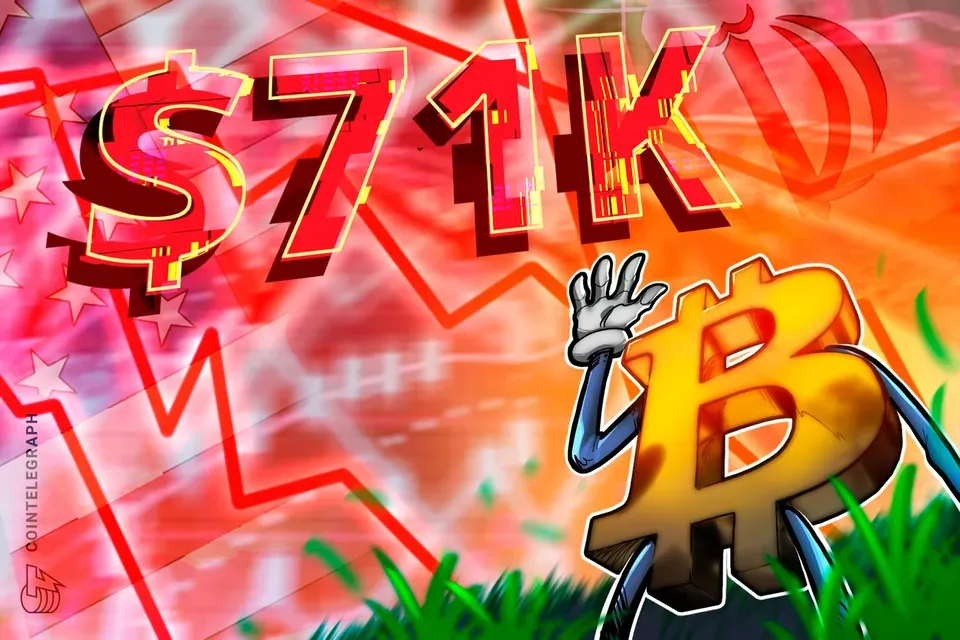
In November 2026, Bitcoin slipped toward the $71,000 level after a sharp drop in Nvidia’s stock. Nvidia’s CEO Jensen Huang resigned, causing the company’s shares to tumble more than 10 % at the market open. The tech‑heavy Nasdaq Composite also fell, and Bitcoin’s price dropped 3.5 % that day, slipping below its 21‑week simple moving average of $73,078. Analysts noted that the next key catalyst could be the U.S. Producer Price Index (PPI) release, which often influences expectations for Federal Reserve interest‑rate policy.
What this means for you
If you are earning Bitcoin through mining, staking, or cloud‑reward platforms, price volatility directly impacts the fiat value of your earnings. A sudden dip can reduce the dollar worth of rewards you receive, while a rally can boost it. Understanding the macro drivers helps you anticipate periods of higher risk and decide whether to hold, sell, or hedge your position.
For those who prefer “passive income” strategies, such as participating in a mining pool like EcoPool, it is useful to track not only the hash‑rate and block rewards but also broader market signals. During market sell‑offs, mining profitability (revenue divided by electricity cost) may stay stable, but the USD value of the mined Bitcoin can fall sharply.
What to check before you commit
- Economic calendar. Keep an eye on major data releases—U.S. CPI, PPI, employment reports, and central‑bank meetings—as they often move risk sentiment.
- Tech‑sector health. Large tech companies like Nvidia can act as bellwethers for risk appetite. A sudden leadership change or earnings miss can trigger broader market moves that affect Bitcoin.
- Liquidity depth. Look at order‑book depth on major exchanges. Thin liquidity means price can swing more on relatively small trades.
- Correlation metrics. Some analytics platforms provide a Bitcoin‑to‑Nasdaq or Bitcoin‑to‑Gold correlation score. A high positive correlation suggests Bitcoin is moving with equities; a negative score may indicate a “safe‑haven” behavior.
- Risk management. Set stop‑loss levels or allocate only a portion of your portfolio to Bitcoin if you cannot tolerate large swings.
FAQ
Why does Bitcoin sometimes move in the same direction as tech stocks?
Both Bitcoin and tech equities are considered growth‑oriented assets. When investors feel confident about risk, they allocate money to high‑return opportunities, pushing both markets up. Conversely, negative news in the tech sector can trigger a risk‑off mood, pulling money out of Bitcoin as well.
Can I protect my earnings from price drops?
Yes, by converting a portion of your Bitcoin earnings into stablecoins or fiat soon after receiving them, you lock in the current value. Some miners also use futures contracts or options to hedge against downside moves, though these instruments carry their own risks.
Do macro data releases always affect Bitcoin?
Not always, but major releases that influence interest‑rate expectations—such as the Producer Price Index or Consumer Price Index—can shift market sentiment quickly. When the data suggests higher inflation, investors may anticipate tighter monetary policy, which can increase demand for non‑inflationary assets like Bitcoin.
Is Bitcoin a good “safe‑haven” asset?
Bitcoin’s behavior varies. In some periods it has acted like digital gold, rising when traditional markets fall. In other times, it has moved in lockstep with equities. Its safe‑haven status is not guaranteed, so diversification remains essential.
This article references reporting from cointelegraph.com.





