
Are you wondering how advisory positions in crypto companies are structured and what happens when a conflict of interest arises? This article explains the purpose of advisory roles, how conflicts are identified, and what you should watch for if you consider joining or investing in a project that uses advisors.
What is an advisory role and how does it work?
An advisory role is a non‑executive position where an individual provides strategic guidance, industry connections, or credibility to a company. Unlike a full‑time employee, an advisor typically works part‑time, offers advice on specific topics (such as regulation, product development, or market positioning), and receives compensation in the form of cash, equity, or a combination of both.
Key elements of an advisory agreement include:
- Scope of work: The areas where the advisor will contribute, such as fundraising, public relations, or technical insight.
- Compensation: Often a modest equity grant that vests over time, aligning the advisor’s interests with the company’s success.
- Term and termination: The length of the agreement and conditions under which either party can end the relationship.
- Conflict‑of‑interest clause: A provision that requires the advisor to disclose any activities that could compete with or harm the company’s interests.
How conflicts of interest arise
A conflict of interest occurs when an advisor’s personal or business activities could influence their judgment in a way that benefits another party at the expense of the company they advise. In the crypto space, conflicts are common because many advisors are also investors, founders, or board members of multiple projects.
Typical scenarios include:
- Investing in a competitor: If an advisor’s venture fund backs a rival platform, the advisor may have divided loyalties.
- Holding significant tokens: Large token holdings in another project can create incentives to steer decisions that favor that project’s price.
- Regulatory exposure: Advisors with political ties might face pressure if a competitor receives favorable treatment.
Real‑world illustration
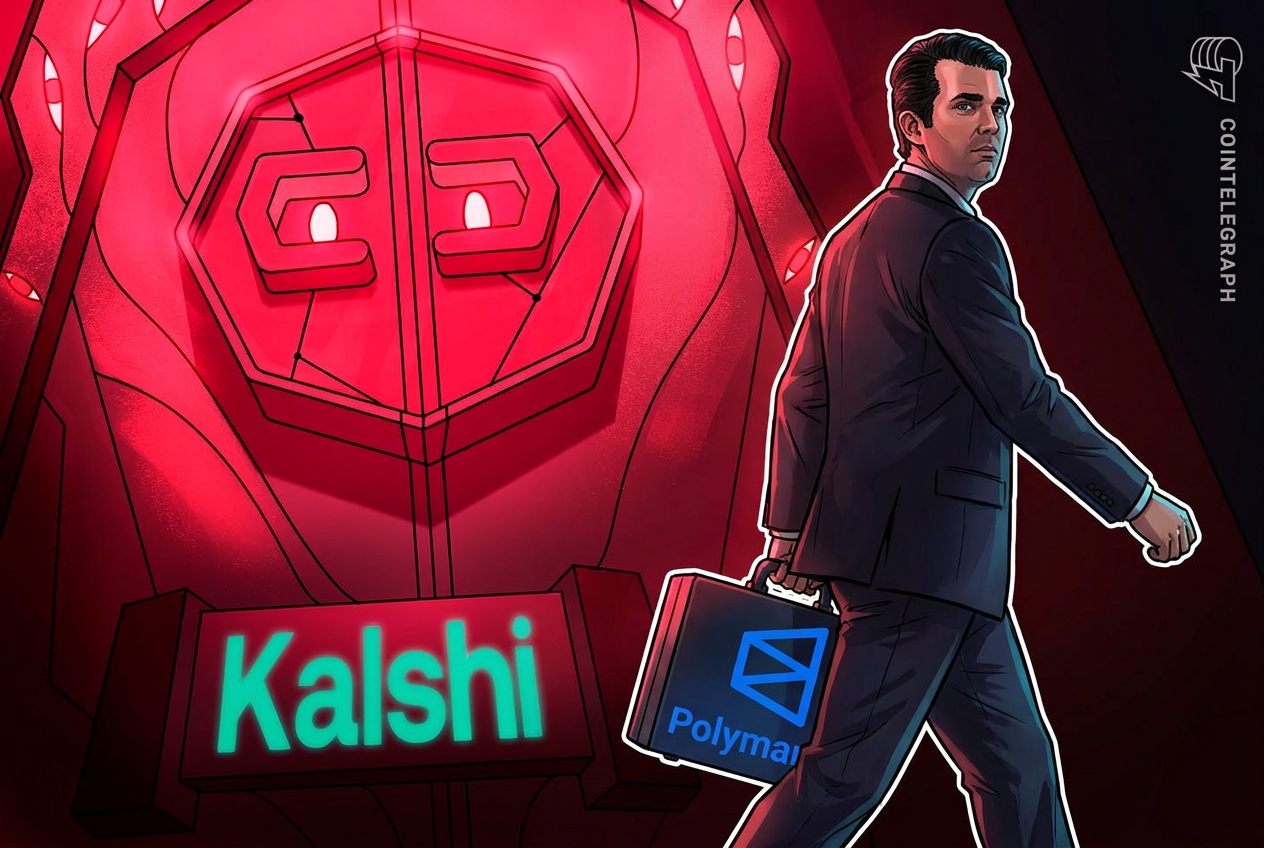
In November 2026, the prediction‑market operator Kalshi announced that it was ending its advisory relationship with Donald Trump Jr. The decision was described as mutual and followed his venture‑capital firm, 1789 Capital, leading a $1 billion funding round for rival platform Polymarket. Kalshi said the move was not driven by political considerations, but internal concerns about the advisor’s significant investment in a direct competitor prompted the termination.
What this means for you
If you are considering earning income through a crypto project—whether by providing advice, investing, or participating in token sales—understanding conflict‑of‑interest policies helps you gauge the project’s governance quality. A transparent advisory structure reduces the risk of hidden agendas that could affect the project’s direction, token value, or your potential earnings.
What to check before joining or investing
- Read the advisory agreement: Look for clear conflict‑of‑interest clauses and termination provisions.
- Identify overlapping interests: Research whether advisors have stakes in competing projects.
- Assess disclosure practices: Companies that regularly disclose advisors’ other holdings demonstrate higher transparency.
- Evaluate governance: Strong governance frameworks often include independent board members who can counterbalance any advisor bias.
- Consider the advisor’s track record: Past behavior can indicate how likely they are to act in the project’s best interest.
FAQ
Do advisory roles usually come with voting rights?
Generally, advisors do not have formal voting rights on corporate decisions unless they also hold board seats. Their influence is advisory, not decisive.
Can an advisor keep their equity if they leave the project?
Equity typically vests over time, so if an advisor departs before full vesting, they retain only the portion that has vested. The agreement will specify the exact terms.
How can I tell if a conflict of interest is being hidden?
Look for gaps in public disclosures, such as undisclosed investments in similar platforms or lack of transparency about the advisor’s other roles. Reputable projects publish advisor bios and known affiliations on their websites.
Is it risky to invest in a project where an advisor has ties to a competitor?
It can be. Competing interests may lead to strategic decisions that favor the rival project, potentially impacting token price or product roadmap. Conduct thorough due diligence and weigh the advisor’s overall contribution against the possible conflict.
This article references reporting from cointelegraph.com.





