
Are you wondering why Bitcoin’s price swings so dramatically and how those changes affect your ability to earn from mining? This article breaks down the forces that move Bitcoin’s market value and explains the direct impact on mining profitability for everyday earners.
The basics: what determines Bitcoin’s price?
Bitcoin is a decentralized digital currency, meaning no single government or central bank controls its supply. Its price is set on open markets where buyers and sellers trade on exchanges. Several key factors influence the price:
- Supply and demand: There will only ever be 21 million bitcoins. When more people want to buy than sell, the price rises; when sellers outnumber buyers, it falls.
- Investor sentiment: News, macro‑economic trends, and the performance of related tech stocks can shift how investors feel about risk. Positive sentiment draws money into Bitcoin, while fear or “risk‑off” moods push capital away.
- Regulatory developments: Announcements about bans, tax rules, or supportive legislation can cause rapid price adjustments.
- Market liquidity: The ease with which large orders can be placed without moving the price. Low liquidity can amplify price moves.
- Macro‑economic factors: Inflation data, interest‑rate changes, and broader stock‑market performance often affect where investors allocate funds.
Because Bitcoin is traded globally 24/7, these influences can combine quickly, leading to sharp price corrections or rallies.
A real‑world illustration
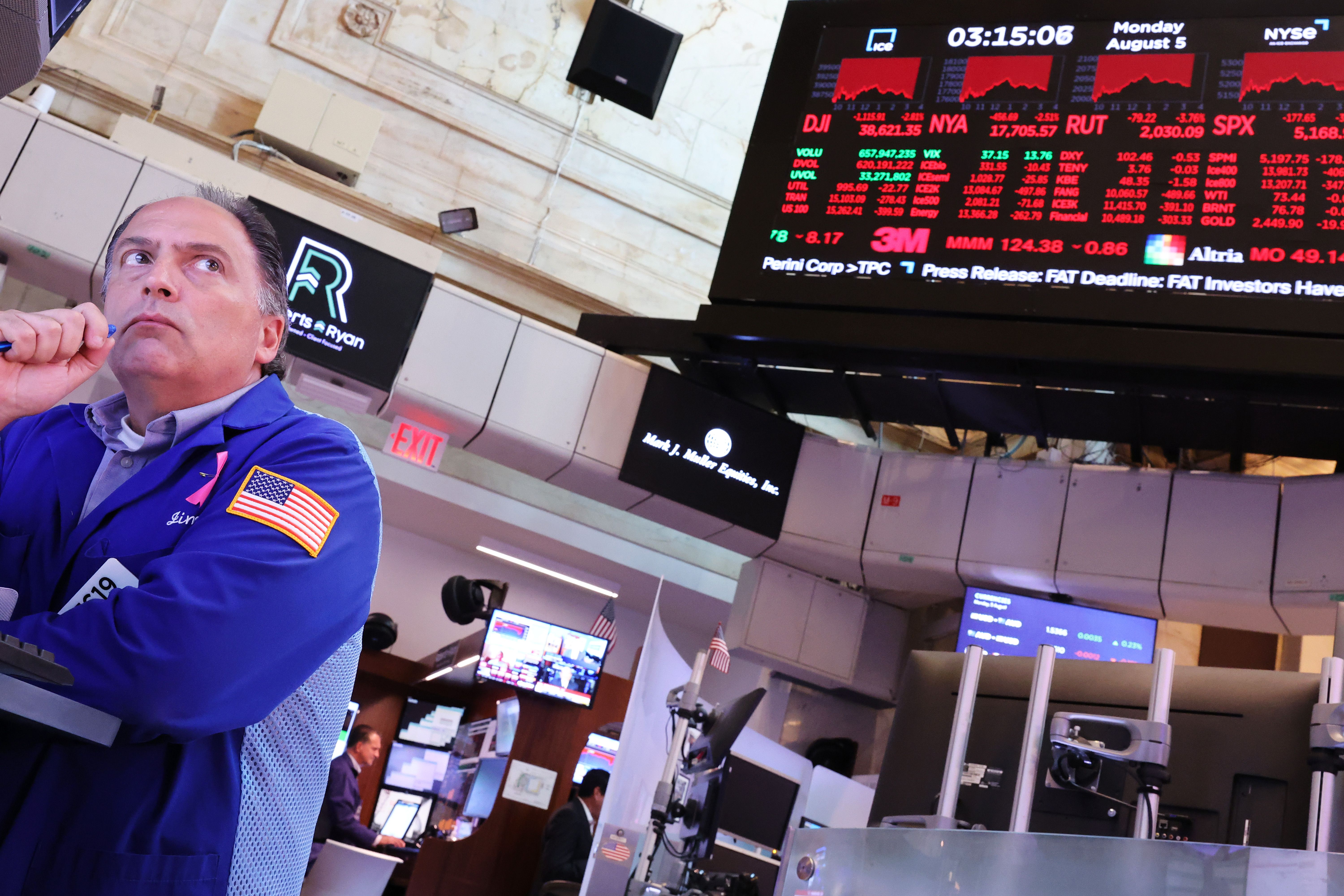
In March 2026, Bitcoin fell to around $68,000. Analysts noted that the decline was not directly linked to Nvidia’s stock movements but was instead tied to a surge of capital flowing into the AI startup Anthropic’s initial public offering and a broader “risk‑off” shift among investors. The example shows how money moving into unrelated tech ventures can pull funds out of Bitcoin, driving the price down.
What this means for you as a miner or cloud‑reward participant
Mining profitability hinges on two main variables: the price of Bitcoin you receive for each block you help secure, and the cost of the electricity and hardware needed to mine. When Bitcoin’s price drops, the revenue side shrinks, while the expense side stays relatively constant. This can turn a previously profitable operation into a loss‑making one.
For those using cloud‑mining platforms or earning passive income through services like EcoPool, the same principle applies. Your reward payouts are usually denominated in Bitcoin or a stable‑coin equivalent. A lower Bitcoin price reduces the fiat‑value of those payouts, even if the amount of Bitcoin earned stays the same.
How to assess the health of a mining or reward venture
- Break‑even analysis: Calculate the price at which your mining hardware’s electricity cost equals the Bitcoin revenue. Most calculators let you input hash rate, power consumption, and electricity price.
- Cost of electricity: Look for locations or contracts with lower rates; this widens the profit margin and cushions price drops.
- Hardware efficiency: Newer ASICs or GPUs often deliver more hashes per watt, improving profitability.
- Reward structure transparency: Platforms should clearly explain how rewards are calculated and any fees taken.
- Diversification: Consider spreading earnings across multiple coins or stable‑coin payouts to reduce exposure to Bitcoin’s volatility.
FAQ
Why does Bitcoin’s price sometimes move even when there’s no major crypto news?
Because investors treat Bitcoin as a risk asset. Broad market shifts—like a surge in AI IPO funding—can pull money out of Bitcoin, causing price drops unrelated to the cryptocurrency itself.
Can I still earn a profit if Bitcoin’s price falls?
Yes, if your electricity cost is low enough or if you use highly efficient hardware. Running a break‑even analysis helps you know the price floor you need to stay profitable.
Should I switch to mining other cryptocurrencies to avoid Bitcoin volatility?
Some miners diversify into coins with different market dynamics, but each new coin brings its own risk profile and hardware requirements. Evaluate the profitability and stability of any alternative before switching.
How does a cloud‑mining service like EcoPool handle price drops?
EcoPool typically distributes rewards in Bitcoin, so the fiat‑value of payouts follows market price. Some services offer the option to receive payouts in a stable‑coin, which can protect earnings from short‑term price swings.
This article references reporting from coindesk.com.





