
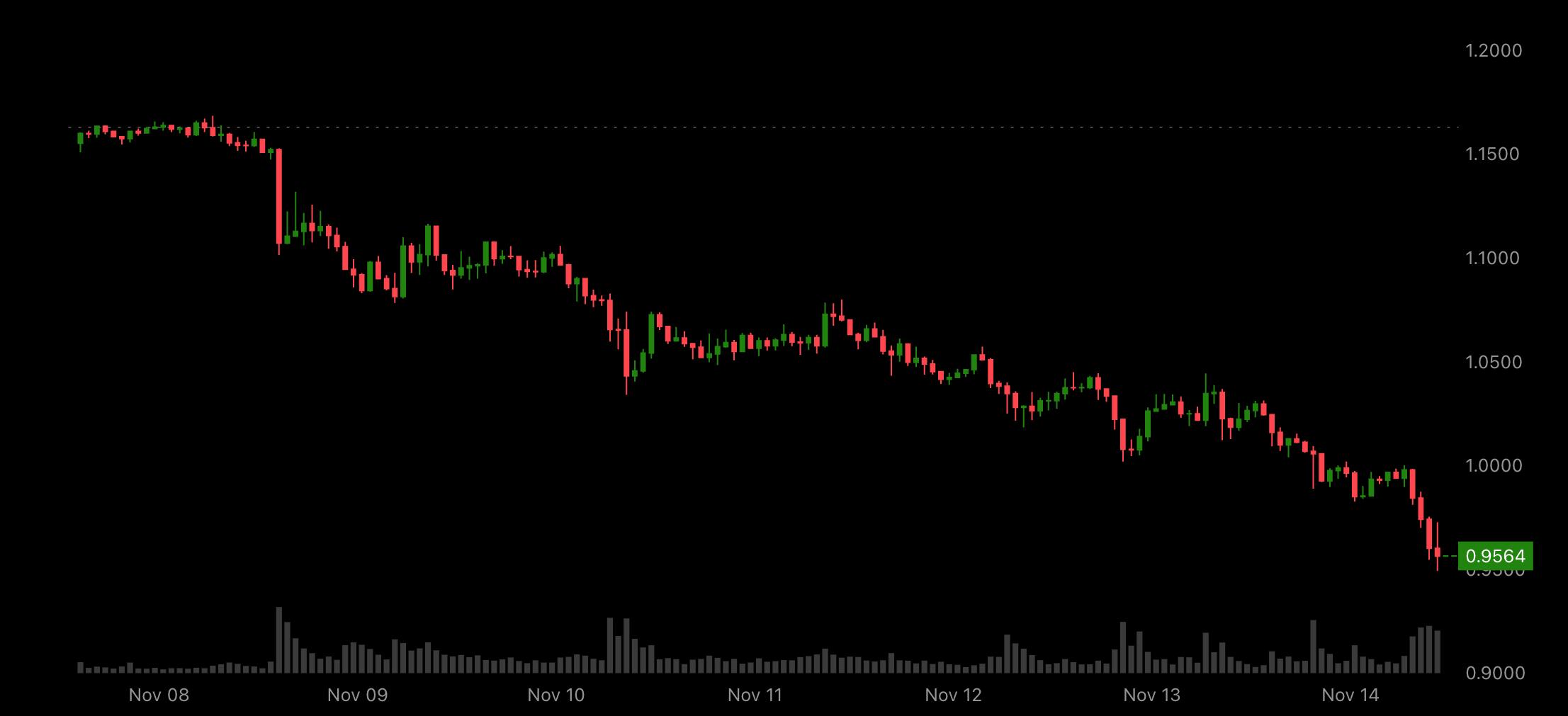
Ever wonder why a cryptocurrency can tumble sharply even when there’s no major technical change? This article explains how movements of money in exchange‑traded funds (ETFs) and the amount of stablecoins in circulation can create price pressure across the crypto market.
What ETF flows and stablecoin supply actually are
An exchange‑traded fund (ETF) is an investment vehicle that holds a basket of assets—sometimes including cryptocurrencies—and trades on a traditional stock exchange. When investors buy ETF shares, money flows into the fund, and the fund typically purchases the underlying assets, creating buying pressure. Conversely, when investors sell ETF shares, the fund must sell the underlying assets, generating selling pressure.
Stablecoins are digital tokens pegged to a stable asset such as the US dollar. They are widely used as a bridge between fiat money and crypto, for trading, payments, and DeFi (decentralised finance) activities. The total amount of stablecoins in circulation—often called the stablecoin supply—reflects how much liquidity is readily available for crypto transactions. When the supply shrinks, less “cash‑like” crypto is on hand, which can tighten market liquidity.
Why these factors matter for price
Both ETF flows and stablecoin supply affect the balance of supply and demand for cryptocurrencies. Large ETF inflows act like a fresh injection of buying power: the fund buys the underlying coins, pushing prices up. Large outflows have the opposite effect, as the fund sells its holdings, adding to market supply and driving prices down.
Stablecoins serve as the primary medium for traders to move in and out of positions quickly. A growing stablecoin supply usually signals that more participants are ready to buy or trade crypto, supporting higher prices. A shrinking supply often means that traders are moving their stablecoins back into fiat or other assets, reducing the immediate buying power in the market and putting downward pressure on prices.
Real‑world illustration
In 2026, XRP fell to its lowest level since November 2024. Analysts linked the drop to two concurrent forces: significant outflows from crypto‑focused ETFs and a measurable contraction in the overall stablecoin supply. As the ETFs sold XRP to meet redemption requests, the market saw a sudden increase in selling pressure. At the same time, the reduced stablecoin pool meant fewer traders had liquid “cash‑like” tokens on hand to absorb the sell orders, amplifying the price decline.
What this means for you as an online earner
If you earn crypto through mining, staking, or cloud‑based rewards, understanding these macro‑level money flows can help you anticipate market swings. A sudden dip caused by ETF outflows may present a buying opportunity if you have a long‑term view, but it also raises the risk of short‑term volatility that could affect the value of any rewards you receive.
Similarly, a shrinking stablecoin supply can signal tighter liquidity, which may increase transaction fees and slippage when you move funds between platforms. Being aware of these conditions lets you plan withdrawals, re‑investments, or conversions to fiat more strategically.
How to evaluate the health of ETF flows and stablecoin supply
- Track ETF activity reports. Most major crypto ETFs publish weekly or monthly inflow/outflow data. Look for trends rather than single‑day spikes.
- Monitor stablecoin on‑chain metrics. Websites that track the total supply of USDT, USDC, and other major stablecoins provide real‑time charts. A consistent decline over several weeks may indicate reduced market liquidity.
- Watch related market indicators. Volume on major exchanges, order‑book depth, and the spread between bid and ask prices can confirm whether ETF or stablecoin movements are affecting liquidity.
- Consider the broader economic context. Interest‑rate changes, regulatory news, and macro‑economic data often influence investor sentiment toward crypto ETFs and stablecoins.
FAQ
Why do ETF outflows cause a price drop even if I don’t own ETF shares?
When an ETF sells its crypto holdings to meet redemptions, it adds those coins to the open market. The increased supply can push prices down, affecting all holders regardless of how they acquired the asset.
Can a stablecoin supply increase without raising crypto prices?
Yes. If new stablecoins are minted but immediately held in wallets or used for off‑chain transactions, they may not translate into immediate buying pressure. The impact depends on how quickly they enter active trading.
Should I avoid earning crypto during periods of high ETF outflows?
Not necessarily. Earnings from mining or staking are still generated, but the market value of those earnings may fluctuate more. Consider diversifying or holding a portion in stablecoins to mitigate short‑term price risk.
How often should I check ETF and stablecoin data?
For most casual earners, a weekly glance is sufficient. Active traders might monitor daily changes, especially during periods of heightened market news.
This article references reporting from coindesk.com.





