
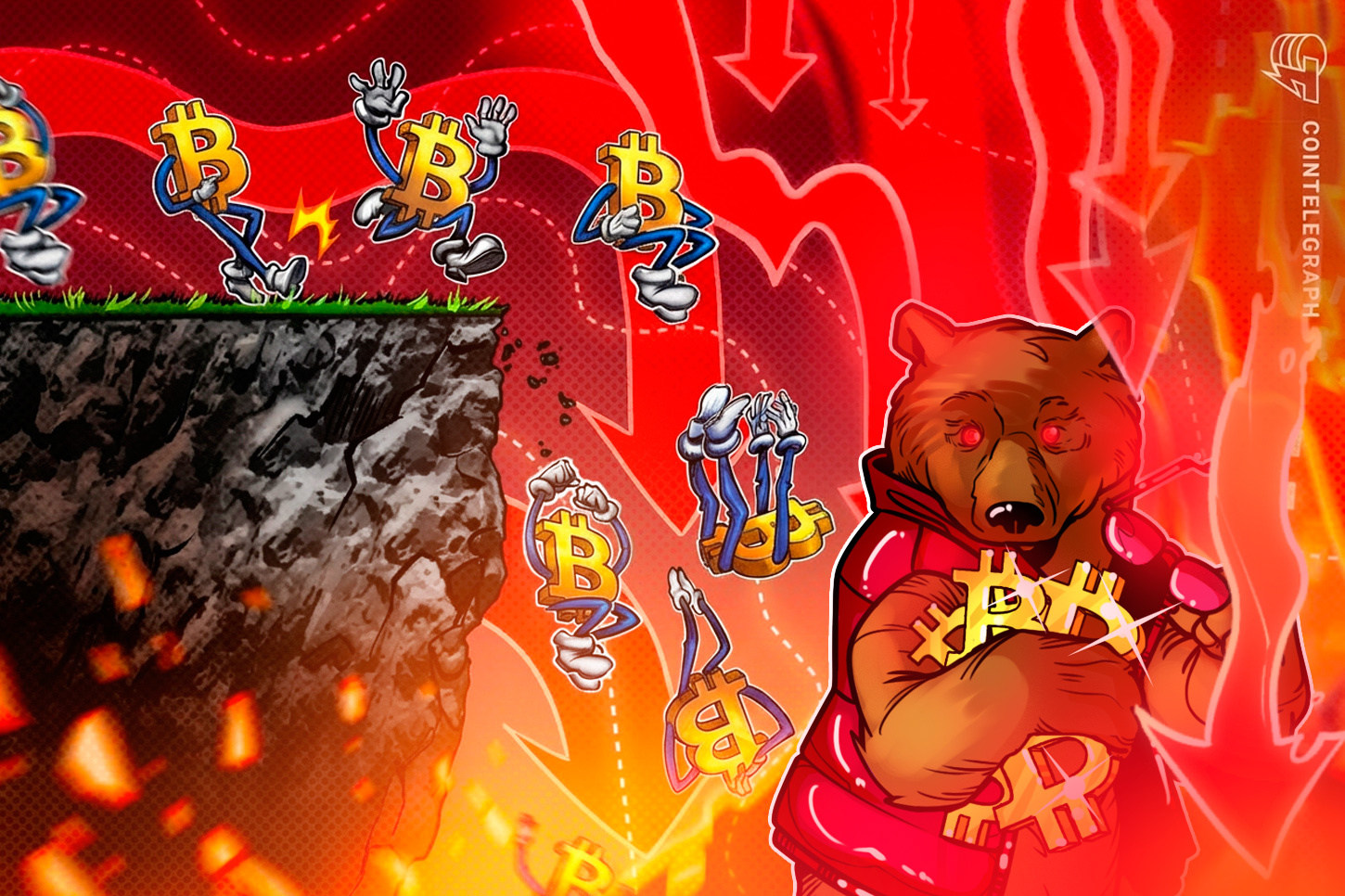
Are you wondering why Bitcoin’s price can tumble from $70,000 to $62,000 in a matter of days and what that means for your mining or passive‑income plans? This article explains the main forces behind Bitcoin’s price movements, how they impact mining profitability, and what you can do to protect or improve your earnings.
The basics: why Bitcoin’s price moves
Bitcoin is a decentralized digital currency that trades on open markets. Its price is set by supply and demand, just like any other asset, but several unique factors amplify its volatility:
- Investor sentiment. News, social media chatter, and macro‑economic outlook shape how traders feel about risk. When fear dominates, many sell, pushing the price down; when optimism returns, buying can lift the price quickly.
- Institutional flows. Large investors—such as hedge funds, pension funds, or exchange‑traded fund (ETF) managers—move huge sums of money. A net outflow of billions from Bitcoin ETFs signals that institutions are pulling cash, which can depress the market.
- Liquidity. Bitcoin’s market depth is limited compared with traditional assets. When a big order hits the market, it can shift the price more dramatically than a similar order in a deeper market.
- Regulatory and macro events. Changes in monetary policy, interest rates, or government regulation can alter the attractiveness of Bitcoin as a store of value or speculative asset.
- Technical market signals. Traders watch chart patterns, moving averages, and indicators such as the Crypto Fear & Greed Index. A shift from “greed” to “fear” often triggers selling pressure.
Real‑world illustration
In mid‑November 2026, Bitcoin fell to a four‑month low near $62,000. The drop followed a two‑week period in which U.S. spot Bitcoin ETFs recorded a combined net outflow of $2.35 billion. The Crypto Fear & Greed Index slipped to 10, indicating “extreme fear.” These data points show how institutional withdrawals and deteriorating sentiment can combine to push the price sharply lower.
What the price swing means for you
If you earn Bitcoin by mining, staking, or participating in cloud‑reward platforms, price volatility directly influences your bottom line. Your revenue is typically measured in Bitcoin, but you often need to convert that income into fiat (like dollars) to cover electricity, hardware, or living expenses. When Bitcoin’s price drops:
- Revenue in fiat terms falls. Even if your mining rig produces the same number of coins, the dollar value of those coins is lower.
- Break‑even points shift. The price at which your operation covers electricity and hardware costs rises, making it harder to stay profitable.
- Opportunity for accumulation. Lower prices can be a chance to buy more Bitcoin for the same amount of fiat, potentially increasing future earnings if the price recovers.
Conversely, a price rise boosts fiat earnings but can also increase competition, as more miners may join the network, raising the overall difficulty.
How to assess a mining or passive‑income opportunity
Before committing capital, look at these concrete factors:
- Electricity cost per kilowatt‑hour (kWh). Lower rates improve profitability regardless of price swings.
- Hardware efficiency. Modern ASICs or GPUs that deliver more hashes per watt reduce the break‑even price.
- Network difficulty. This metric reflects how hard it is to find new blocks. Rising difficulty means each miner’s share of rewards shrinks.
- Reward structure. Some cloud‑reward platforms, such as EcoPool, offer a portion of block rewards plus transaction fees. Understand the exact split and any fees they charge.
- Liquidity of the earned coin. If you mine an altcoin with thin trading volume, converting it to fiat may be costly or slow.
- Risk of price volatility. Estimate how much the coin’s price would need to move for you to stay profitable given your electricity and hardware costs.
FAQ
What is the “break‑even price” for a miner?
The break‑even price is the Bitcoin price at which the revenue from mining exactly covers the ongoing costs (electricity, maintenance, and hardware depreciation). Below that price, the operation loses money; above it, the operation profits.
Do ETF outflows always cause Bitcoin’s price to fall?
ETF outflows are a strong indicator of institutional sentiment, but they are one factor among many. Large outflows often coincide with broader fear in the market, which can amplify price declines, though other events (e.g., regulatory news) can also drive price moves.
Can I protect my earnings from price drops?
One common approach is to convert a portion of mined Bitcoin into stablecoins or fiat soon after receipt, locking in current value. Diversifying across multiple coins or using hedging instruments (such as futures) can also reduce exposure, but these strategies carry their own risks and costs.
Is mining still worthwhile when Bitcoin is below $65,000?
Mining can remain profitable if your electricity cost is low, your hardware is efficient, and you manage other expenses carefully. Each miner must calculate their own break‑even price; for many small operations, the current price may be marginal, but large‑scale farms with cheap power can still earn a net profit.
This article references reporting from cointelegraph.com.





