
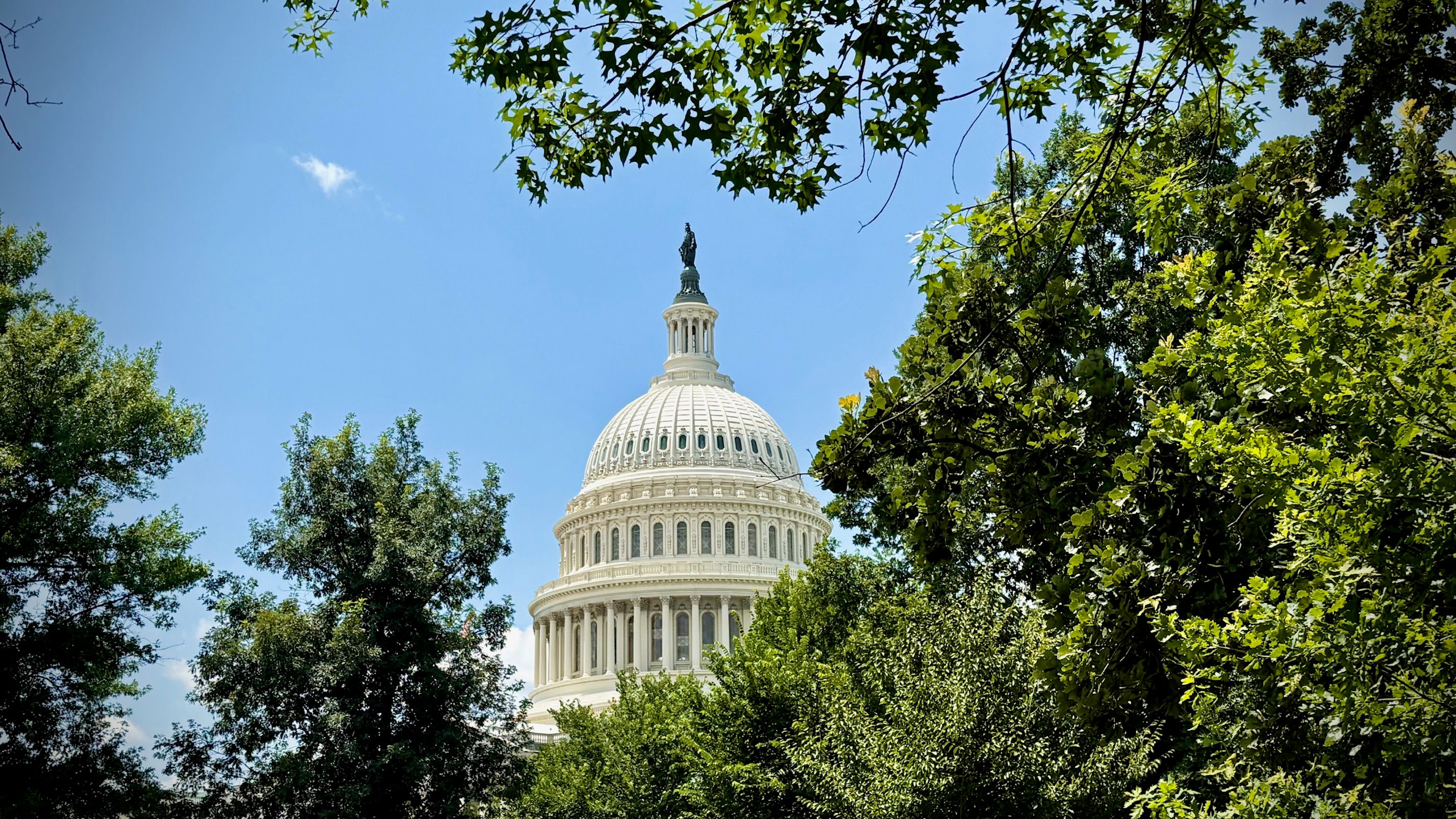
Are you wondering why crypto regulations sometimes seem to appear out of nowhere, or why they stall for months at a time? This article explains how the structure of U.S. congressional sessions shapes crypto policy and what that means for anyone trying to earn online through crypto.
What a congressional session is and why it matters
A congressional session is the period during which the U.S. House of Representatives and Senate conduct their business, typically lasting two years and divided into two “sessions” of roughly one year each. At the end of each two‑year cycle, there is a “lame‑duck” period – the weeks after an election but before the newly elected Congress is sworn in. During this time, outgoing members have limited political capital, and many legislative initiatives lose momentum.
Crypto policy – from taxation rules to securities regulation – is created through bills, hearings, and committee work. Because these processes depend on the willingness of lawmakers to sponsor and push legislation, the timing of a session can accelerate, delay, or even halt crypto‑related proposals.
How the legislative calendar affects crypto regulation
When a new Congress begins, the majority party sets its agenda. If the incoming majority is supportive of crypto innovation, you can expect a flurry of bills aimed at clarifying legal status, encouraging investment, or establishing standards for digital assets. Conversely, if the majority is skeptical, the focus may shift toward tighter oversight or stricter tax reporting.
During the lame‑duck weeks, the outgoing chamber typically avoids controversial votes. This is because members are leaving office and may be less concerned about political repercussions. As a result, major crypto reforms are rarely passed in this window, even if there is public pressure.
Real‑world illustration
In March 2026, an analysis noted that “Crypto insiders aren’t counting on silver linings in Congress’ ‘lame duck’ session,” highlighting that the final weeks of that session were unlikely to produce new crypto legislation. The piece pointed out that with a Democratic majority poised to set its own agenda in the next Congress, the short‑term outlook for crypto policy was essentially a pause.
What this means for you as an online earner
If you earn passive income through staking, cloud mining, or other crypto‑based activities, the timing of regulatory changes can affect tax reporting, platform availability, and the legality of certain services. A stable regulatory environment during a lame‑duck period can give you a predictable short‑term horizon, but it also means that any upcoming reforms may be delayed until the new Congress convenes.
For example, if a new bill proposing clearer tax treatment for staking rewards is slated for the next session, you might not see any guidance until after the new members are sworn in. Until then, you should continue to follow existing IRS guidance and keep detailed records of earnings.
How to stay ahead of legislative shifts
- Monitor committee activity. The Senate Banking Committee and House Financial Services Committee are the primary venues for crypto legislation. Their hearing schedules and released reports often signal upcoming policy moves.
- Watch election outcomes. Changes in party control directly influence the legislative agenda. A shift toward a party that favors crypto innovation typically leads to more supportive bills.
- Follow official statements. Press releases from the Treasury Department, SEC, and CFTC provide clues about how regulators plan to respond to new laws.
- Keep records year‑round. Regardless of policy timing, accurate bookkeeping of earnings, staking rewards, and cloud mining payouts ensures you remain compliant with current tax rules.
FAQ
Will a lame‑duck session ever pass major crypto legislation?
It is uncommon. Outgoing members usually avoid controversial votes, and the limited time makes it difficult to move complex bills through both chambers.
How can I prepare for potential regulatory changes after a new Congress starts?
Stay informed about the majority party’s platform, track relevant committee hearings, and maintain thorough records of all crypto earnings so you can adapt quickly when new rules are issued.
Do crypto earnings need to be reported differently if a new tax law is passed?
Yes. New legislation can redefine what counts as taxable income (e.g., staking rewards versus capital gains). Until the law takes effect, continue using the current IRS guidance and adjust your reporting once the new rules are official.
Is there any risk that a platform I use could become illegal overnight?
Regulatory changes typically have a transition period, but sudden enforcement actions can occur. Choosing platforms that comply with existing regulations and have transparent licensing reduces this risk.
This article references reporting from coindesk.com.





